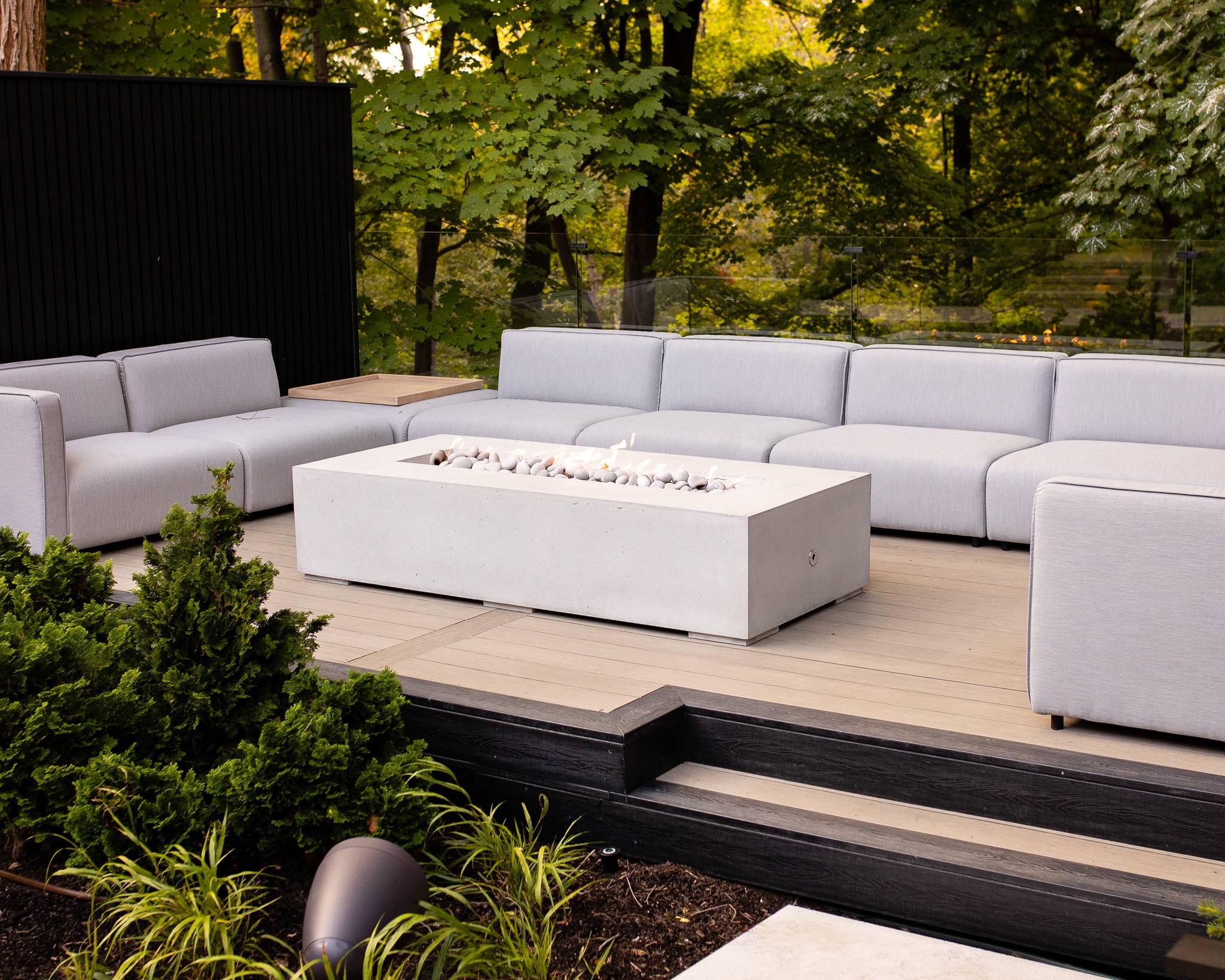
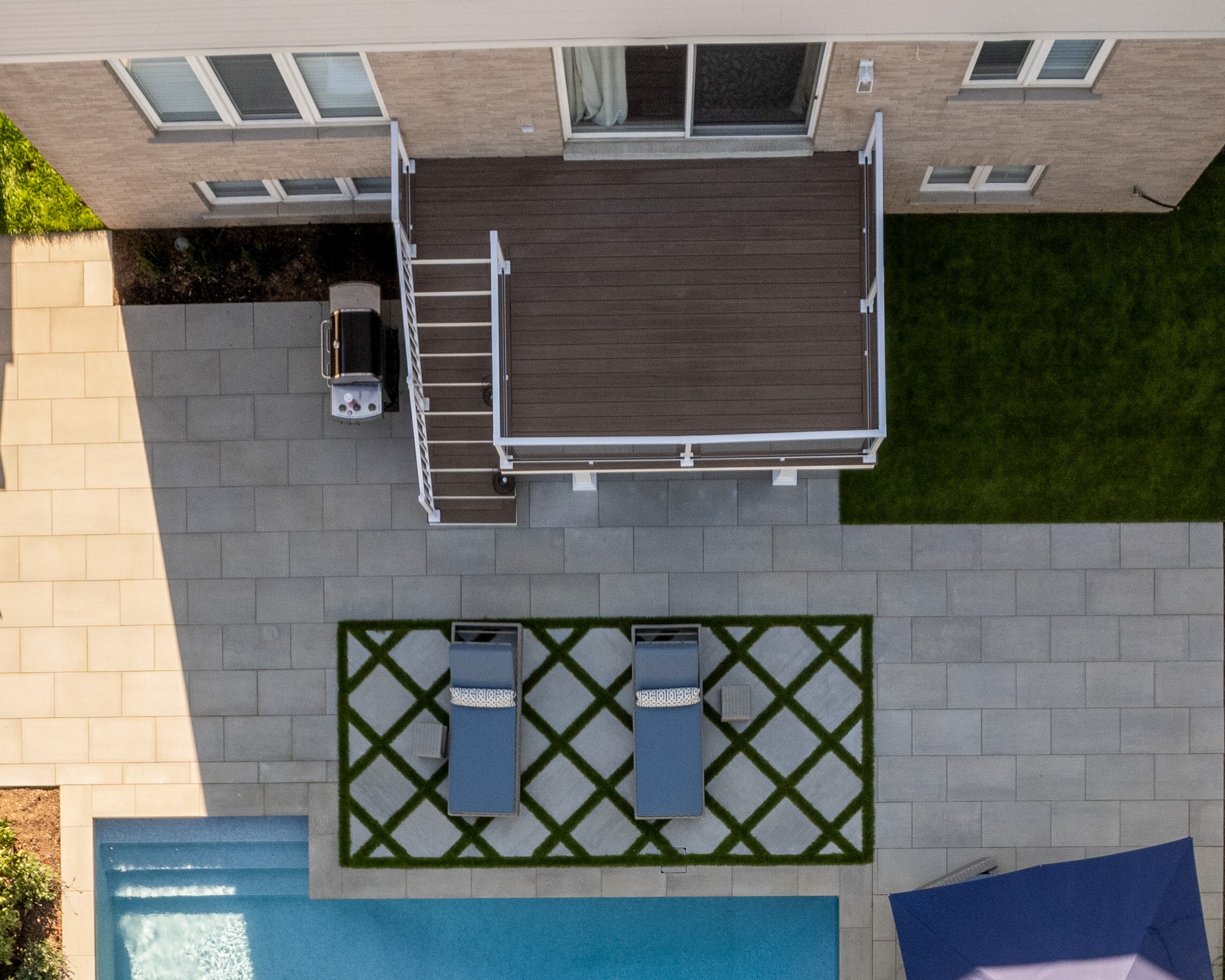
When planning a deck that will last for years with minimal upkeep, the material you choose matters. PVC decking has become a popular alternative to traditional wood because it combines strength, weather resistance, and low maintenance in a way that meets the needs of modern homeowners. Whether you’re building a new outdoor living area or considering a spring project while planning over the winter months, PVC decking offers a range of benefits to consider.
The Benefits of PVC Decking
One of the biggest advantages of PVC decking is its durability. Unlike wood, PVC will not rot, warp, or splinter over time. It resists moisture, insects, and decay in ways that wood simply cannot match without constant care. In climates with significant freeze-thaw cycles like Ontario’s, this means fewer repairs and a deck surface that stays solid through years of winter weather, rain, and summer sun.
PVC decking also performs well with respect to colour retention and cleanliness. High-quality PVC boards are engineered to resist fading even after repeated sun exposure, and stains from spills are easier to clean than on traditional wood. For families who want a deck that looks good year after year with minimal sanding, staining, or sealing, PVC delivers a more consistent appearance with less effort.
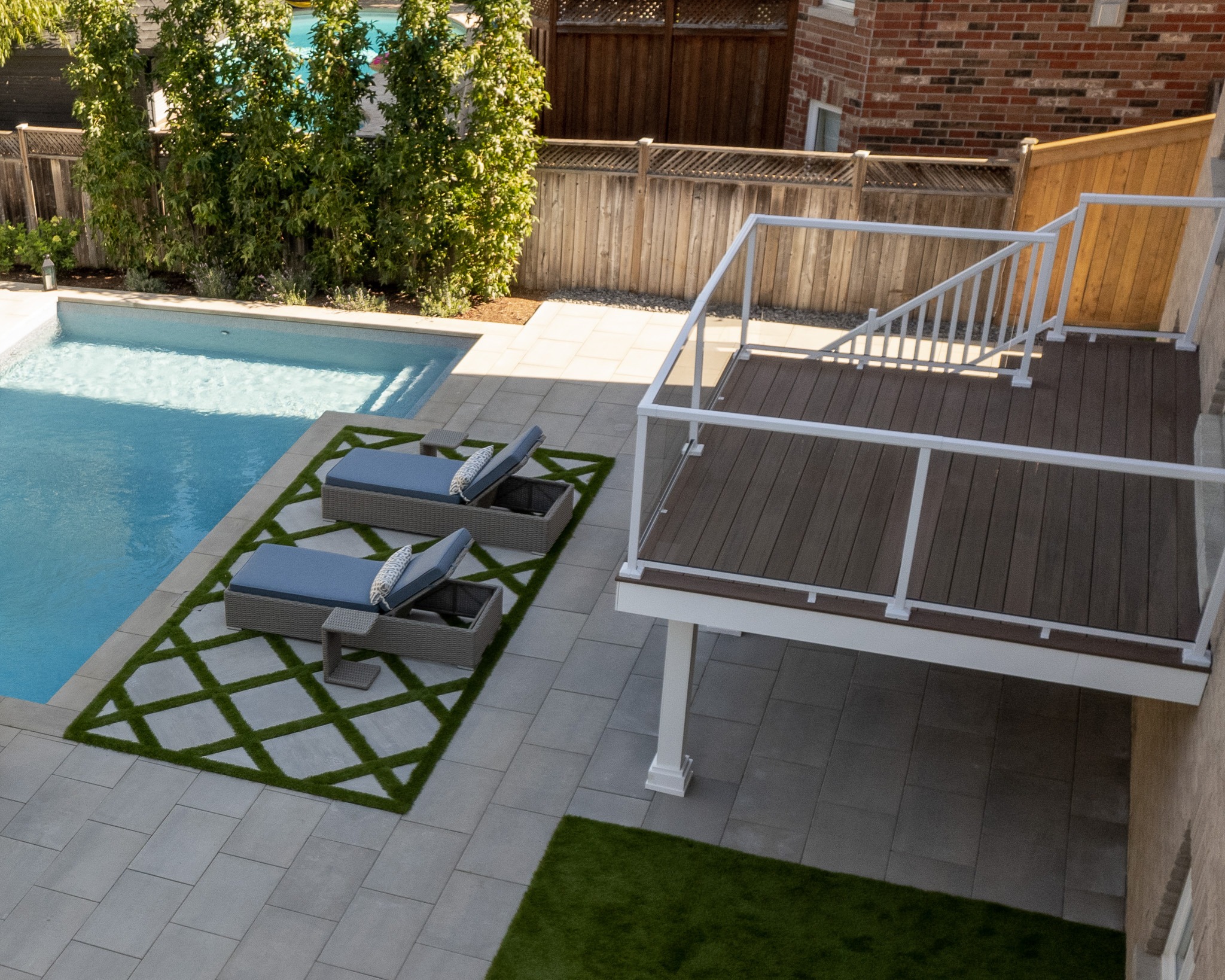
Another consideration is comfort and safety. PVC decking often stays cooler underfoot than composite materials and provides a smooth, splinter-free surface. That’s especially appreciated around pool areas or where bare feet are common.
Planning Your PVC Deck
If you’re looking at decking projects over the winter in Ontario, the colder months can actually be a good time to plan. Winter gives homeowners the opportunity to finalize design decisions, confirm dimensions, choose colours and finishes, coordinate with contractors, and secure permits where required. Finalizing these details on paper over the colder months means that when spring arrives, construction can begin right away and your deck is ready for warm weather enjoyment.
Before installation, it’s also essential to understand your local municipality’s requirements. In Ontario, like many provinces, the need for a building permit depends on the height and footprint of the deck. As a general rule, decks greater than 24 inches (about 60-70 cm) above ground will require a permit, as will decks attached to the house or supporting structures such as roofs. Exact requirements and thresholds can vary by municipality — for example, Hamilton, Kitchener, London, and other municipalities each have their own building permit guides and zoning bylaws. It’s wise to check your local building department’s rules early in the planning process to avoid delays.
PVC vs. Wood
In a direct comparison with wood decking, PVC tends to outperform in several categories:
Longevity:
PVC decking boards resist the elements without the need for annual staining or sealing that wood typically requires. Wood such as pressure-treated pine or cedar can last for years with diligent maintenance, but PVC often lasts longer with less effort.
Maintenance:
Wood decking requires regular sanding, staining, and sealing to maintain its appearance and structural integrity. PVC, by contrast, needs only occasional cleaning with soap and water to stay looking fresh.
Cost:
Upfront material costs for PVC are usually higher than for wood. However, when you factor in the cost of ongoing maintenance — stain, sealers, repairs, and labour — PVC often evens out or becomes more cost-effective over the life of the deck. Many homeowners find that avoiding year-in, year-out maintenance is worth the initial investment.
Aesthetic flexibility:
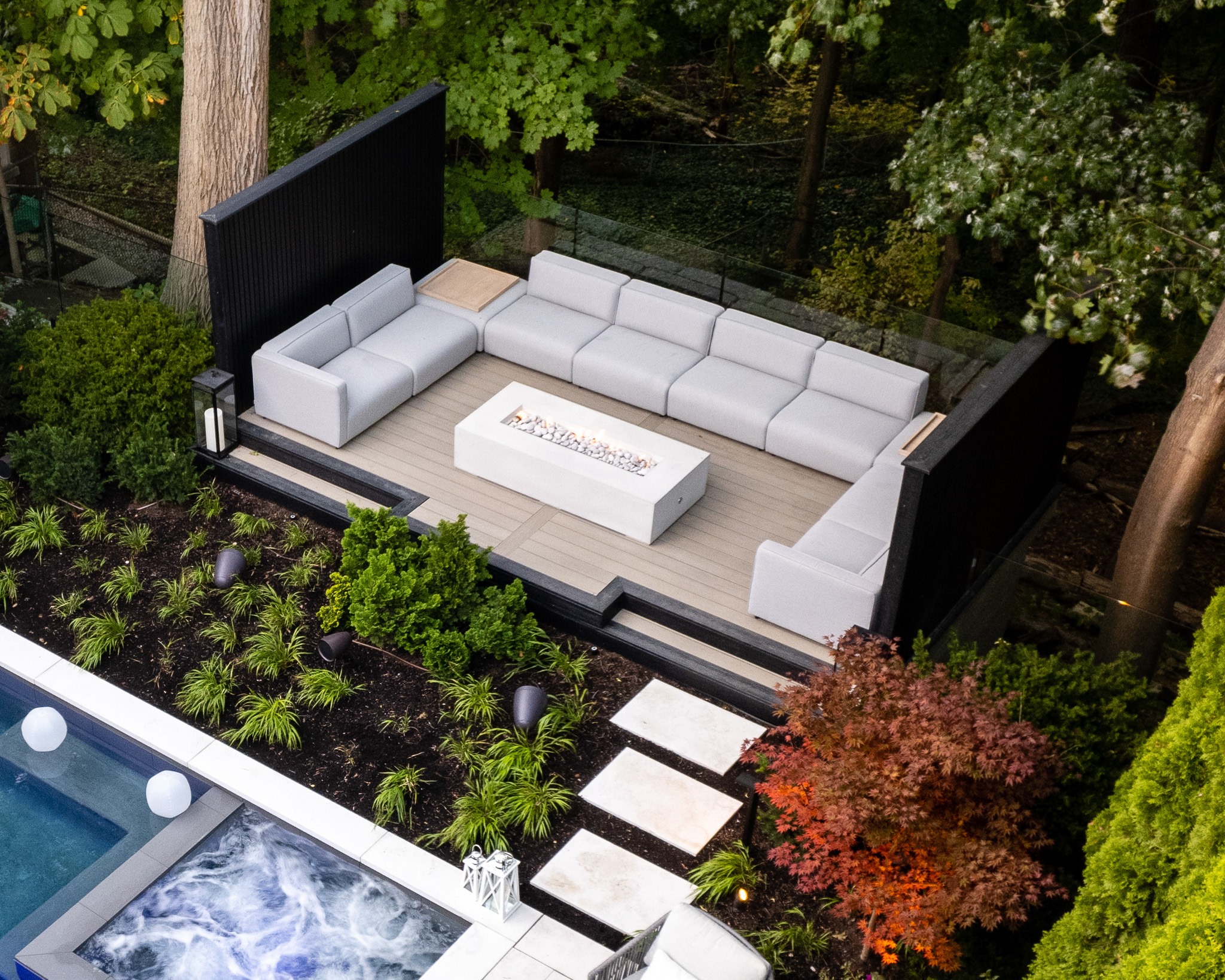
PVC decking comes in a range of colours, textures, and finishes that hold up longer than wood stains. This gives design flexibility without worrying about frequent refinishing.
Final Thoughts
PVC decking is a strong choice for homeowners who value longevity, low maintenance, and a deck that remains attractive through years of seasonal changes. Taking time over the winter months to plan, finalize designs, check permit requirements, and make material selections positions you for a smooth start to spring construction. While the upfront cost may be higher than wood, the long-term savings in maintenance and the peace of mind that comes with a durable outdoor surface make PVC decking a compelling option for many properties.
If you’re thinking about your next outdoor project, we can help guide you through material selection, planning, permits, and installation so your deck works with your home and lifestyle.