Making the Most of Your Space for Entertaining and Everyday Living
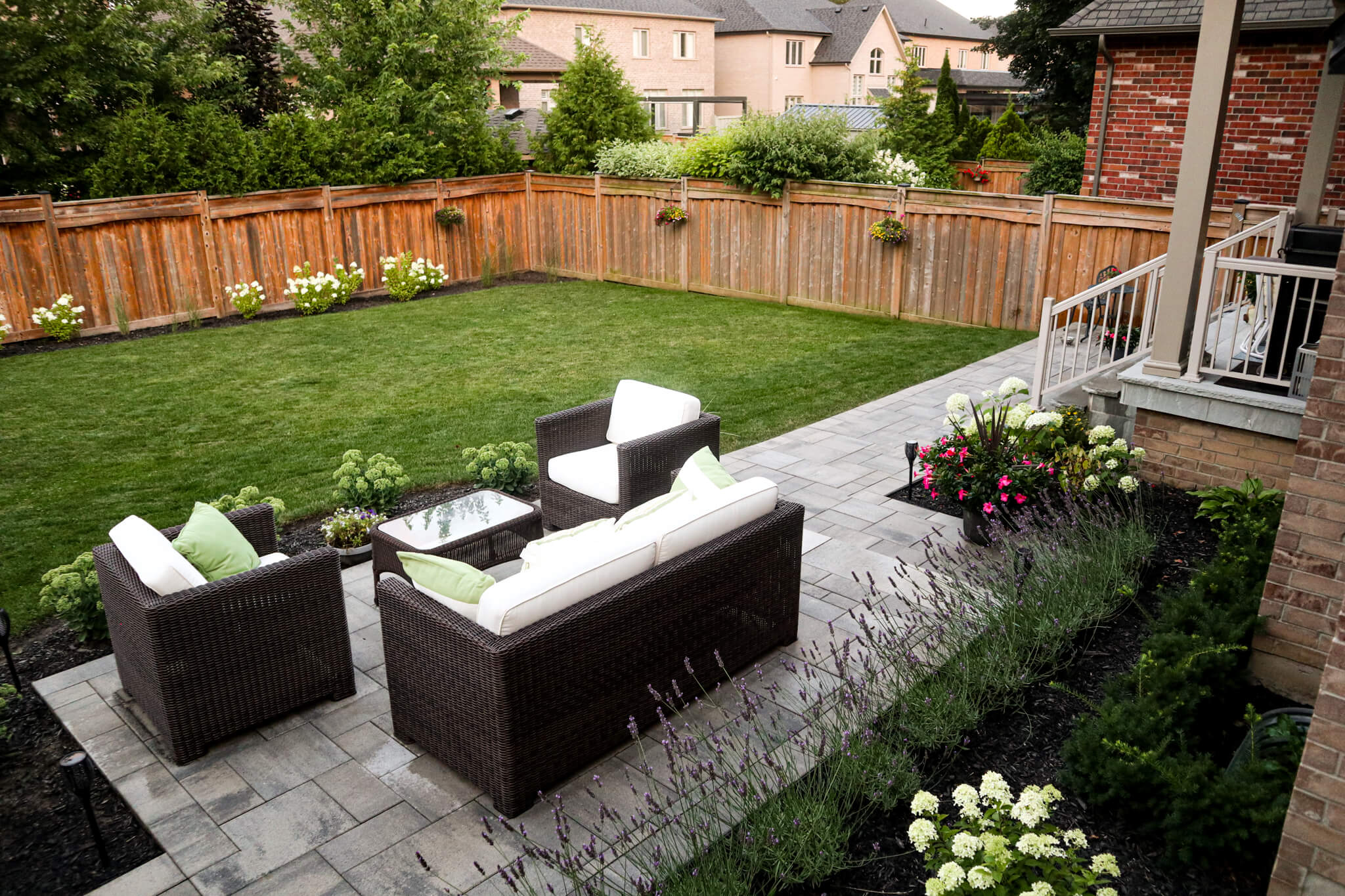
Outdoor seating plays a much larger role than simply providing a place to sit. When designed properly, it defines how a space is used, how people move through it, and how comfortable it feels for both everyday use and entertaining. Whether working with a compact backyard, a rooftop patio, or a multi-zone landscape, thoughtful seating design can transform limited space into something highly functional.
Working Within Limited Space
Not every project has the luxury of open square footage. In smaller yards and urban settings, seating needs to be intentional. Built-in benches, seat walls, and integrated ledges help maximize usable space without overcrowding the area. These elements reduce the need for bulky furniture and keep walkways clear, allowing the space to feel open while still accommodating guests.
Corners, grade changes, and perimeter walls are often overlooked opportunities. Incorporating seating into these areas can add capacity without sacrificing flow, making even modest spaces feel capable of hosting gatherings.
Designing for Entertaining
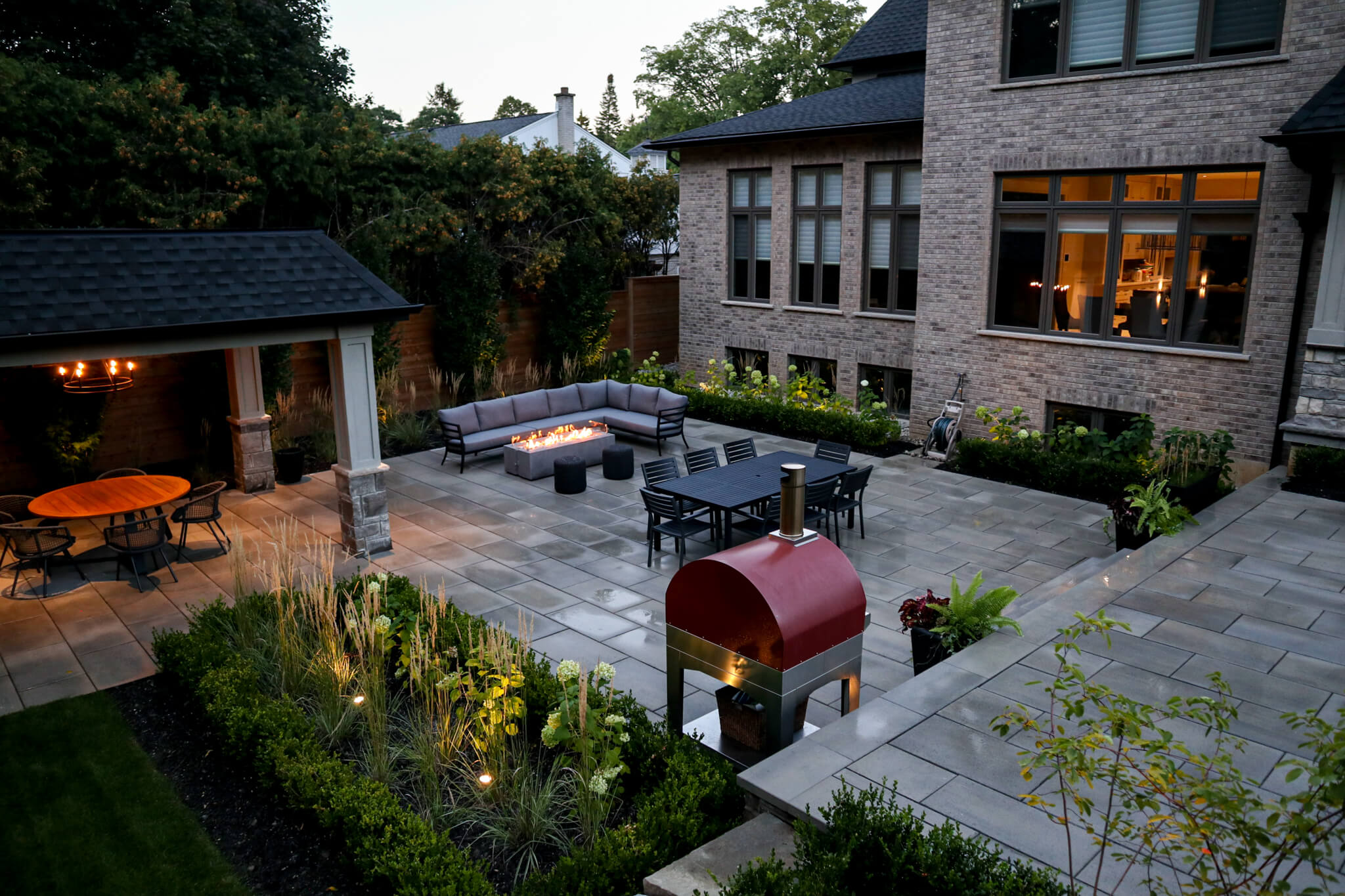
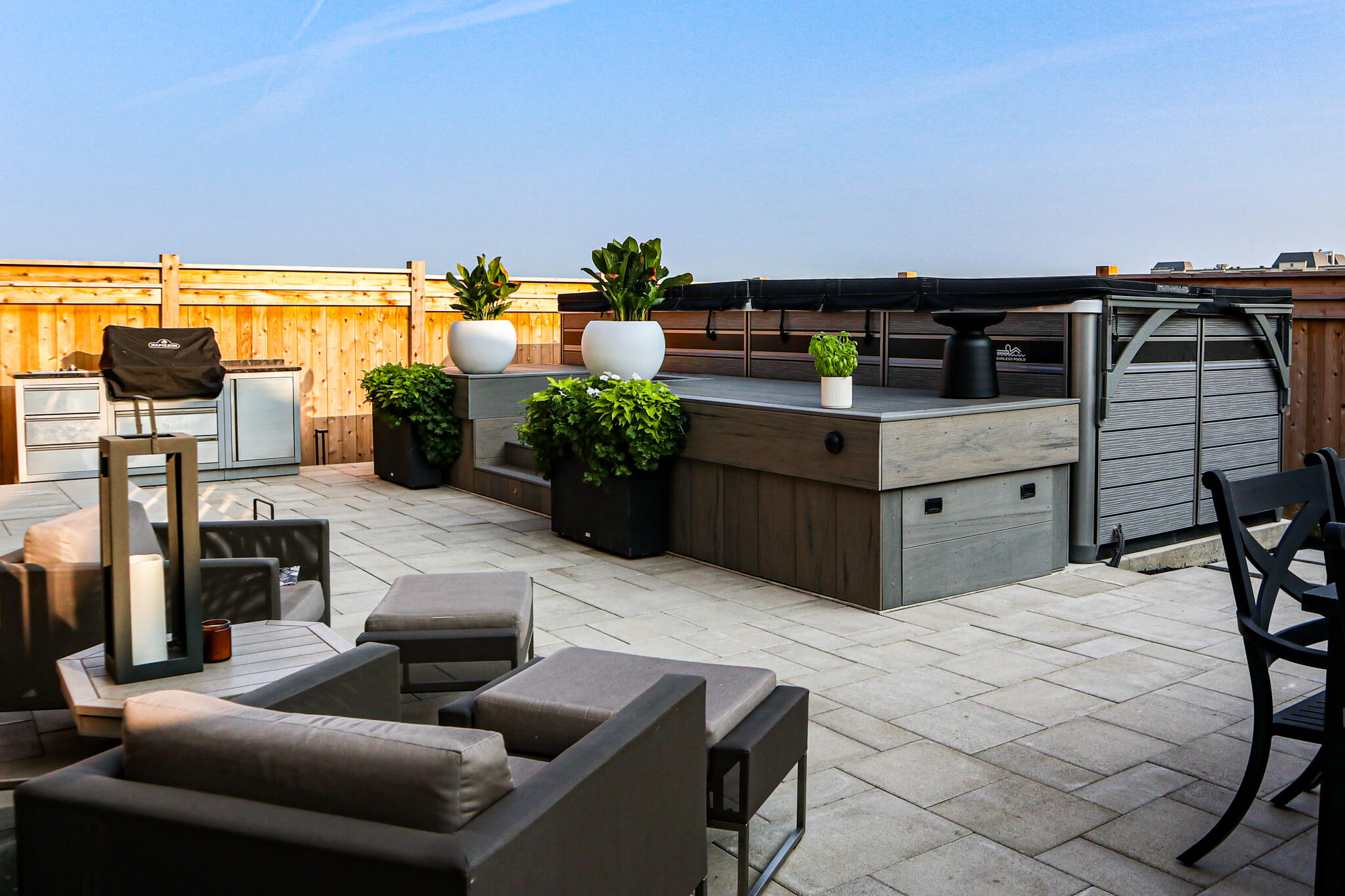
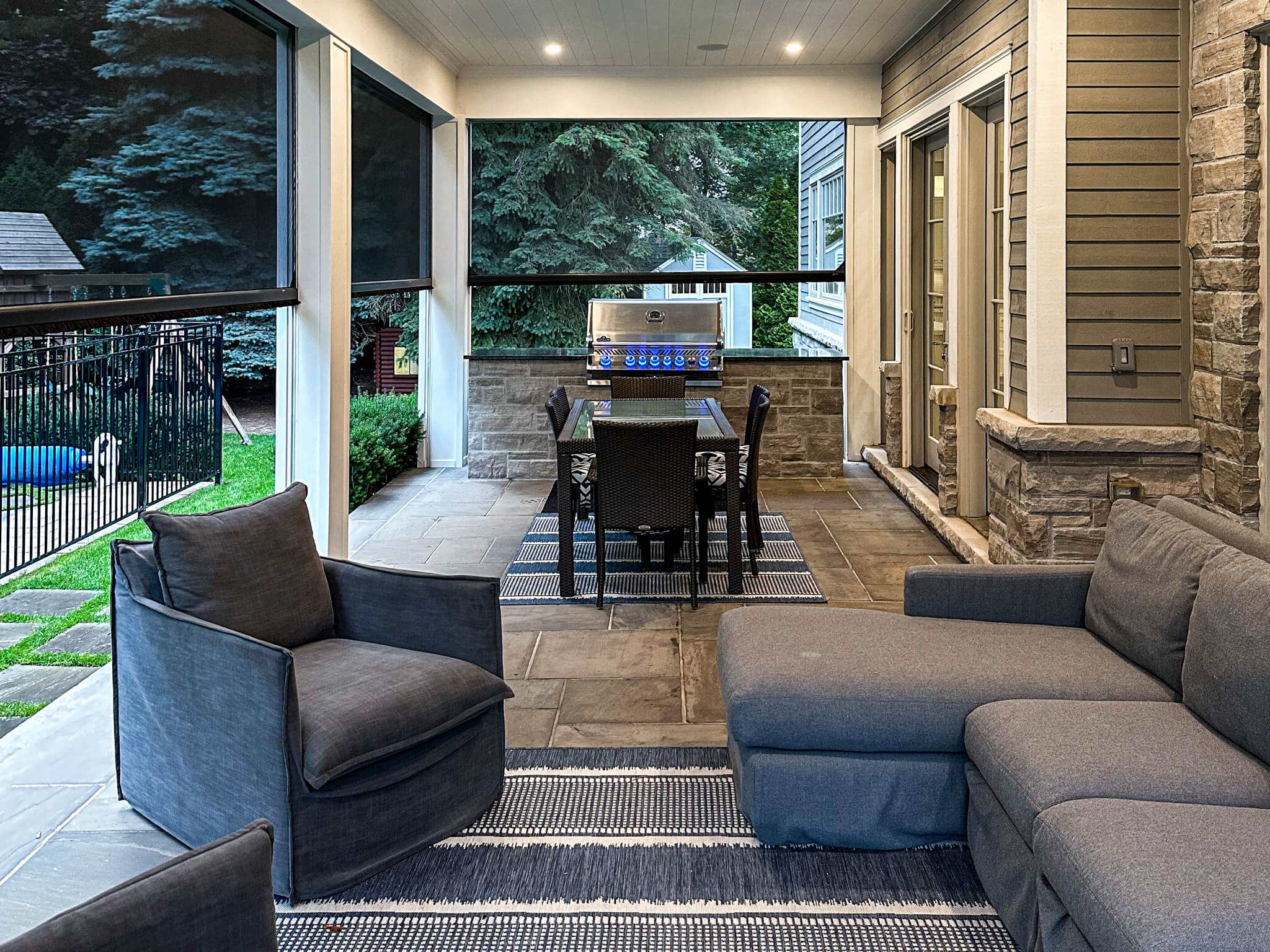
Entertaining outdoors works best when seating supports how people naturally gather. Arrangements that face each other encourage conversation, while flexible layouts allow the space to adapt for different group sizes. Dining areas, lounge seating, and fireside zones each serve a different purpose, and even in smaller projects, combining two of these functions can significantly increase how the space is used.
Seating should also be positioned with comfort in mind. Shade, wind exposure, and proximity to features like fire tables or outdoor kitchens all influence how long people want to stay in a space.
Blending Seating into the Landscape
The most successful outdoor seating doesn’t feel added on. Materials, heights, and finishes should align with the surrounding landscape so seating elements fit as part of the overall design. Natural stone, concrete, or masonry seating structures can echo nearby walls, steps, or patios, create a cohesive look while offering durability that stands up to year-round use.
By integrating seating into the landscape itself, outdoor spaces feel more intentional and less cluttered, especially when working within tighter footprints.
Planning Ahead
Seating design is most effective when considered early in the planning process. Thinking about how the space will be used, how many people it should comfortably support, and how it transitions between seasons helps avoid compromises later. Planning during the off-season allows for better layouts, smarter material choices, and a finished space that’s ready to use as soon as the warmer months arrive.
Outdoor seating isn’t just about filling space. It’s about creating areas that invite people to stay, gather, and make the most of the landscape, no matter the size.