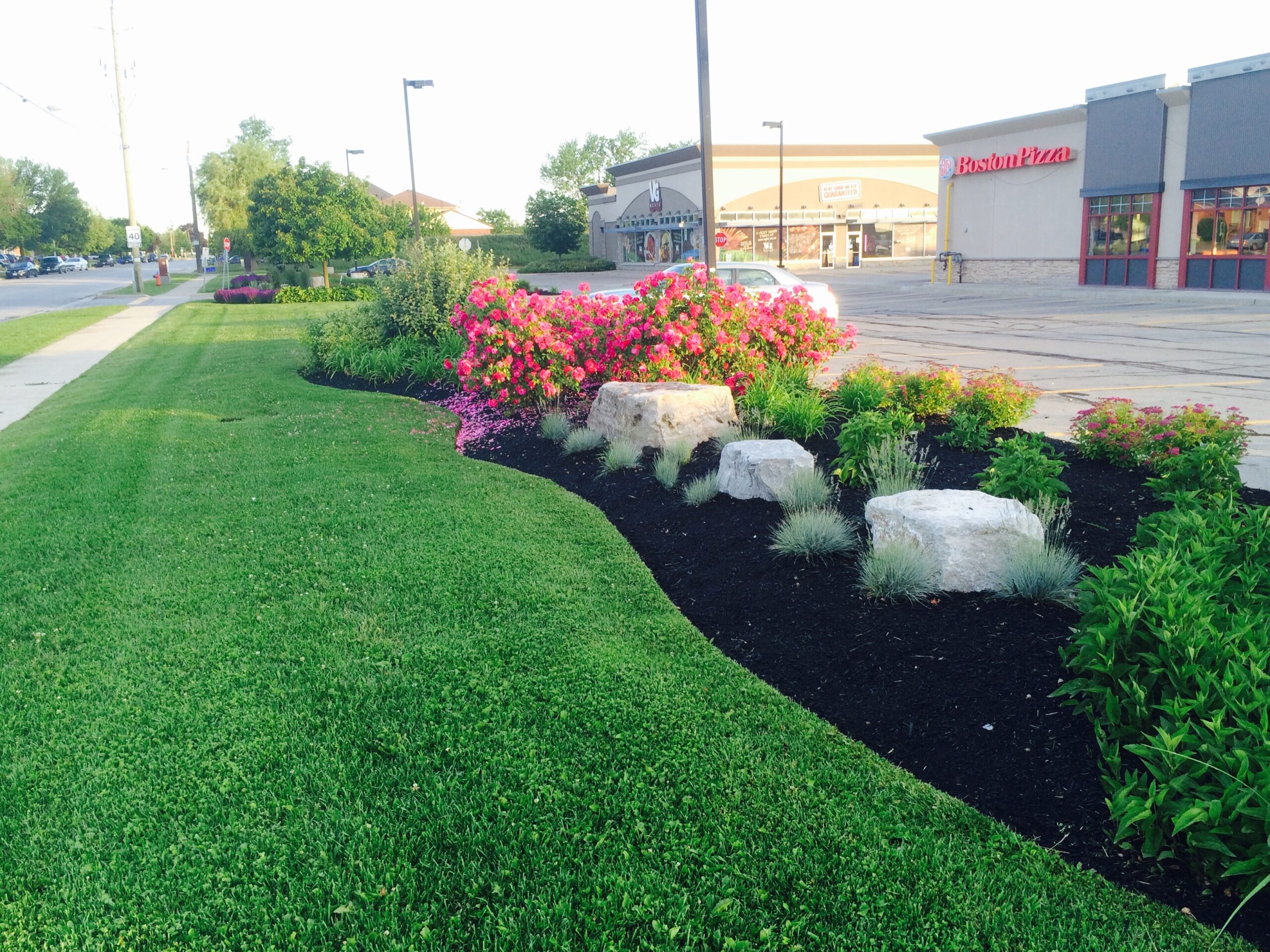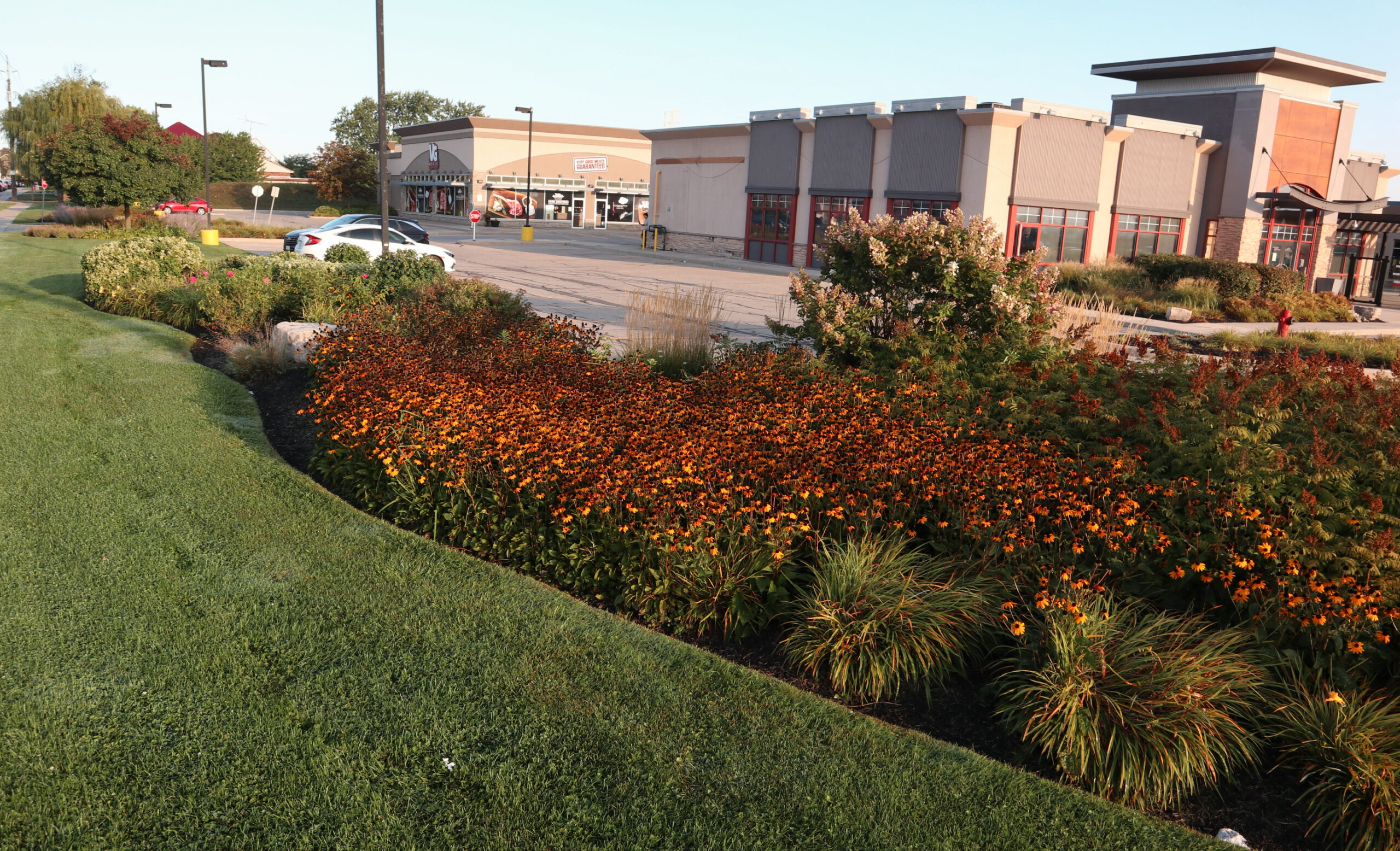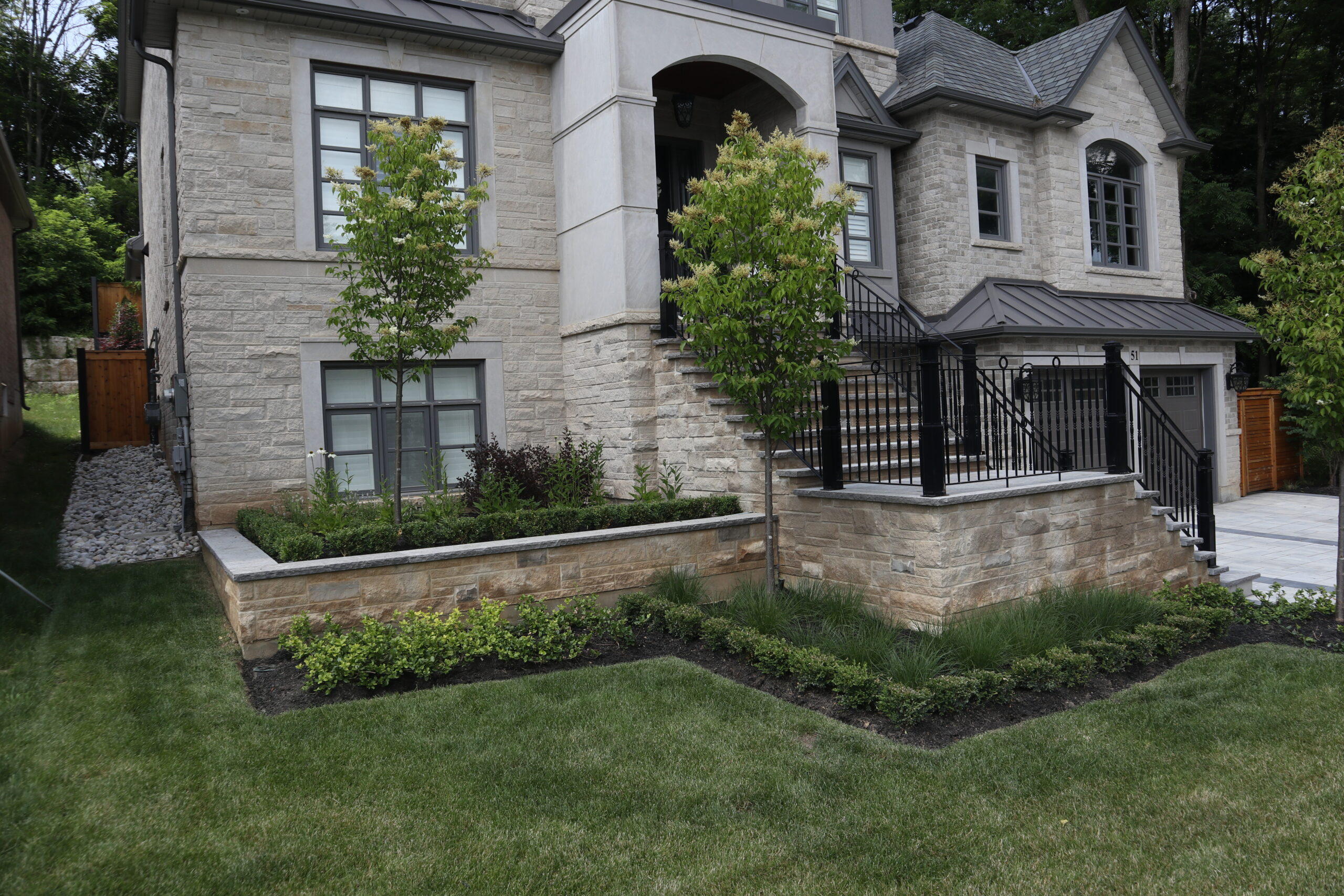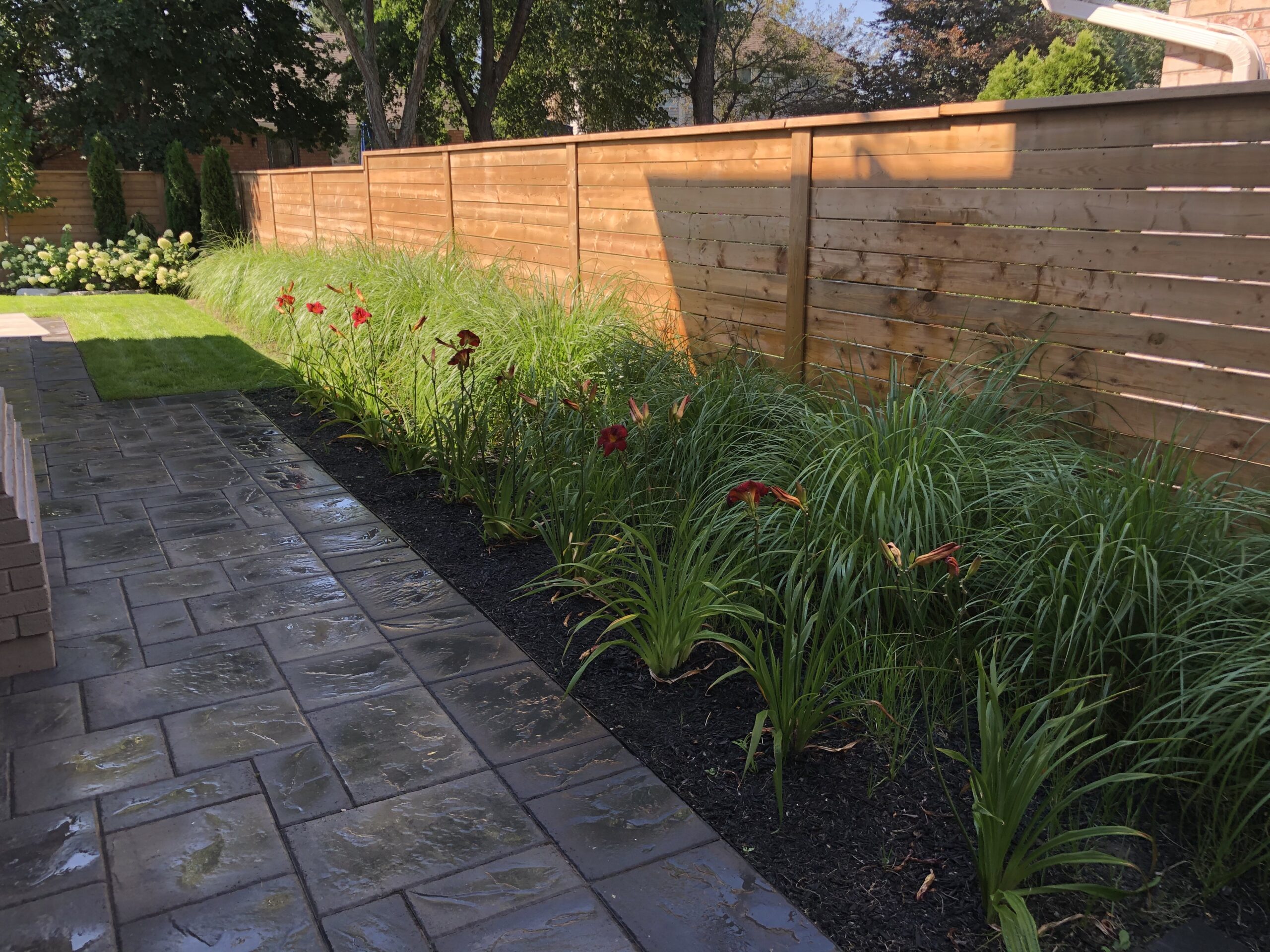
Planting beds do more than add colour and structure to a property. When designed intentionally, they can help support pollinators, local wildlife, and the overall health of surrounding ecosystems.
As planting season approaches, it is worth thinking beyond appearance alone. Selecting the right mix of flowers, shrubs, and perennials can create spaces that look strong throughout the season while also contributing to biodiversity.
Why Pollination Matters
in Residential and Commercial Landscapes
Pollinators such as bees, butterflies, and other beneficial insects play a critical role in plant reproduction. Without them, many flowering plants and food sources would struggle to survive.
Well-designed planting beds can:
- Provide nectar and pollen sources
- Create habitat and shelter
- Support seasonal biodiversity
- Improve overall landscape resilience
Even in urban and suburban settings, thoughtful planting makes a measurable difference.
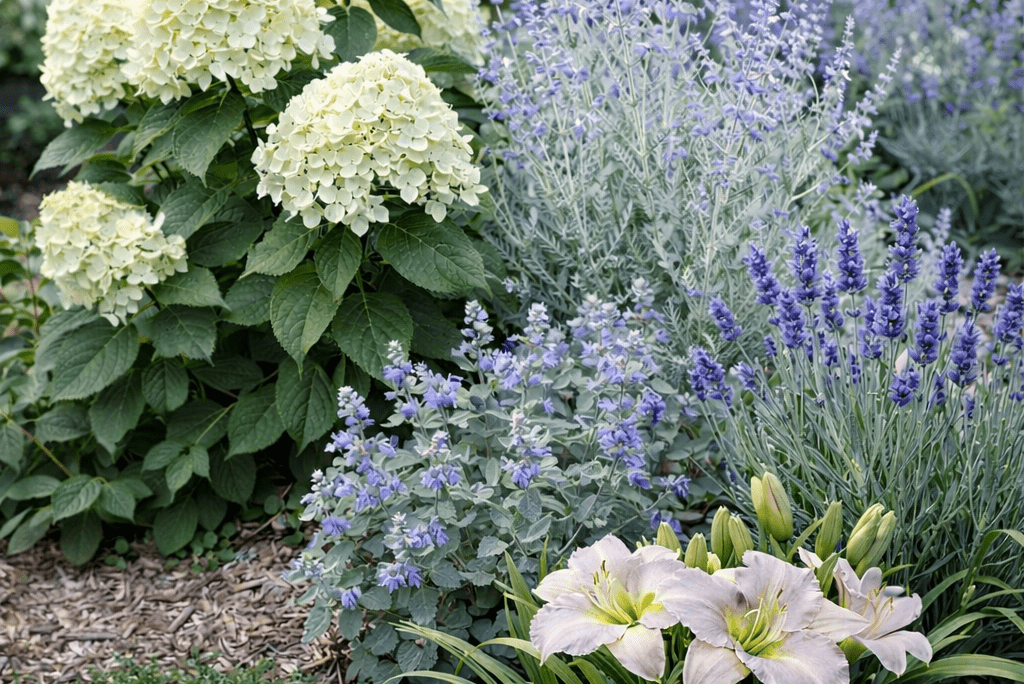
Selecting Plants That Promote Pollination
Not all flowers provide equal value to pollinators.
When building a planting plan, we focus on species that:
- Offer nectar-rich blooms
- Bloom at staggered times throughout the season
- Are well suited to Ontario’s climate
- Provide structure as well as seasonal colour
Reliable Pollinator-Friendly Choices for Ontario
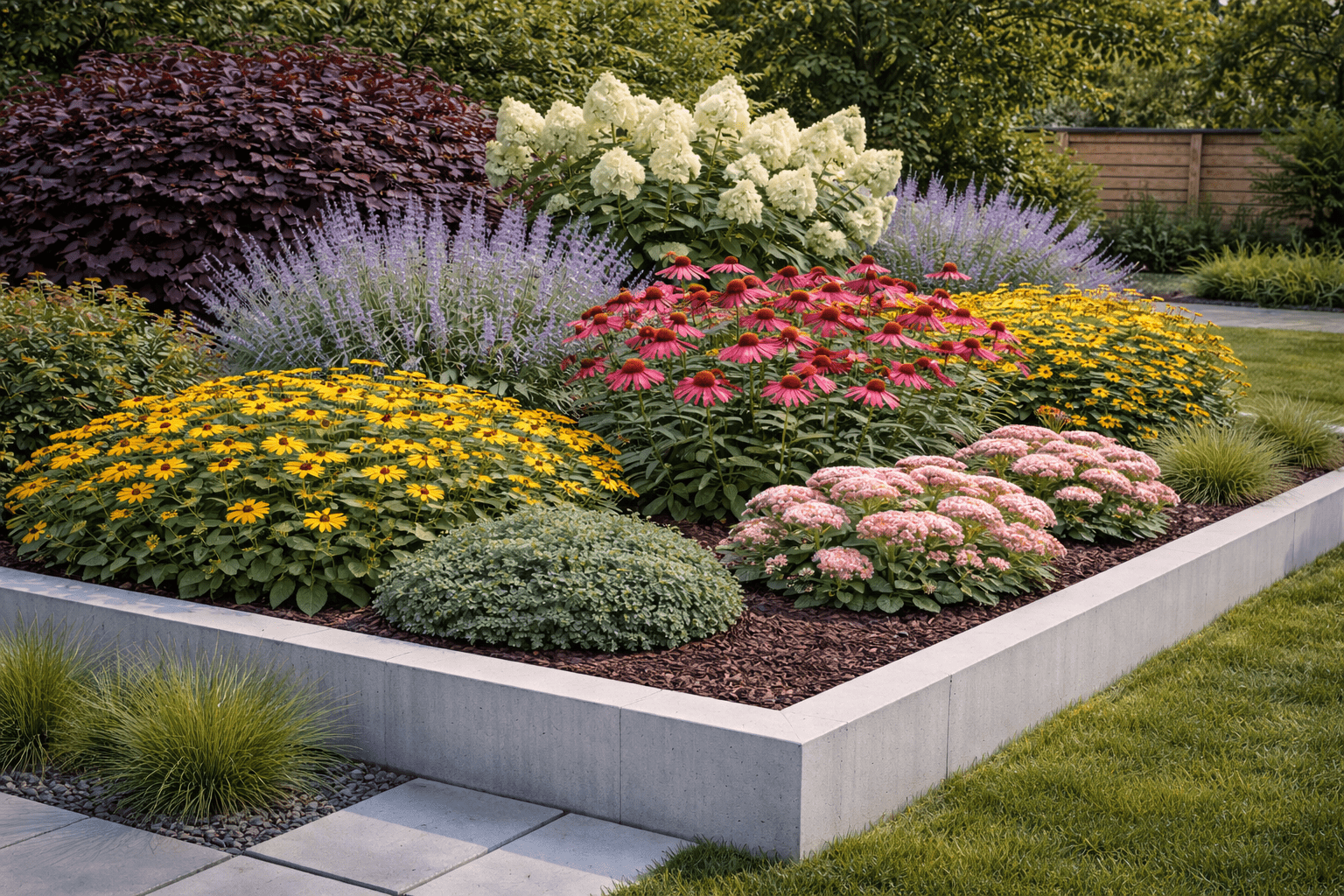
Echinacea (Coneflower)
A strong summer bloomer that attracts bees and butterflies while providing vertical interest.
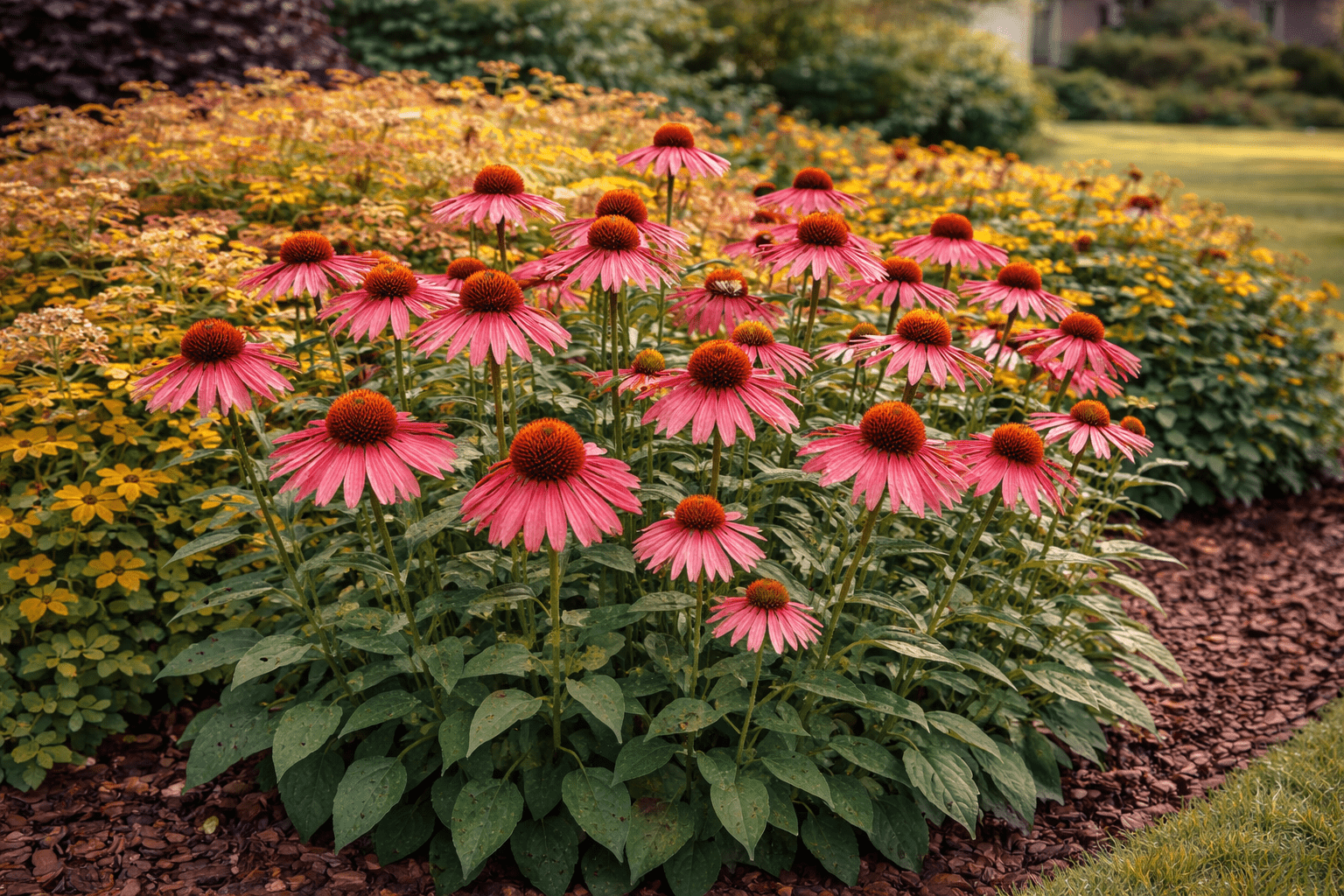
Rudbeckia (Black-Eyed Susan)
Bright, long-lasting blooms that support pollinators well into late summer.
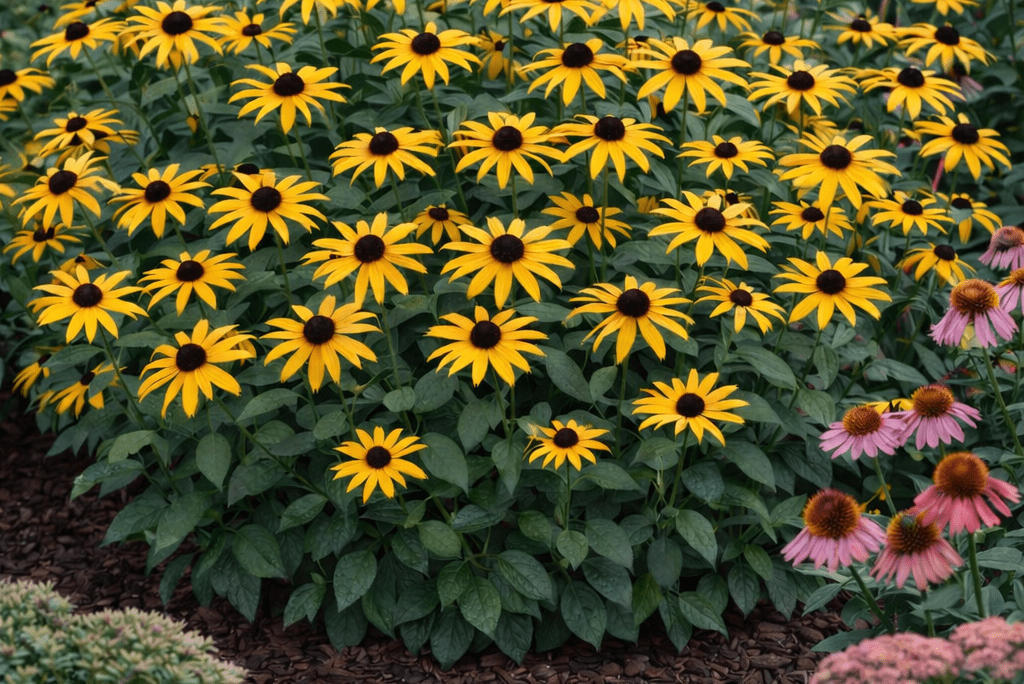
Sedum (Autumn Joy varieties)
Excellent late-season nectar source when many other plants have faded.
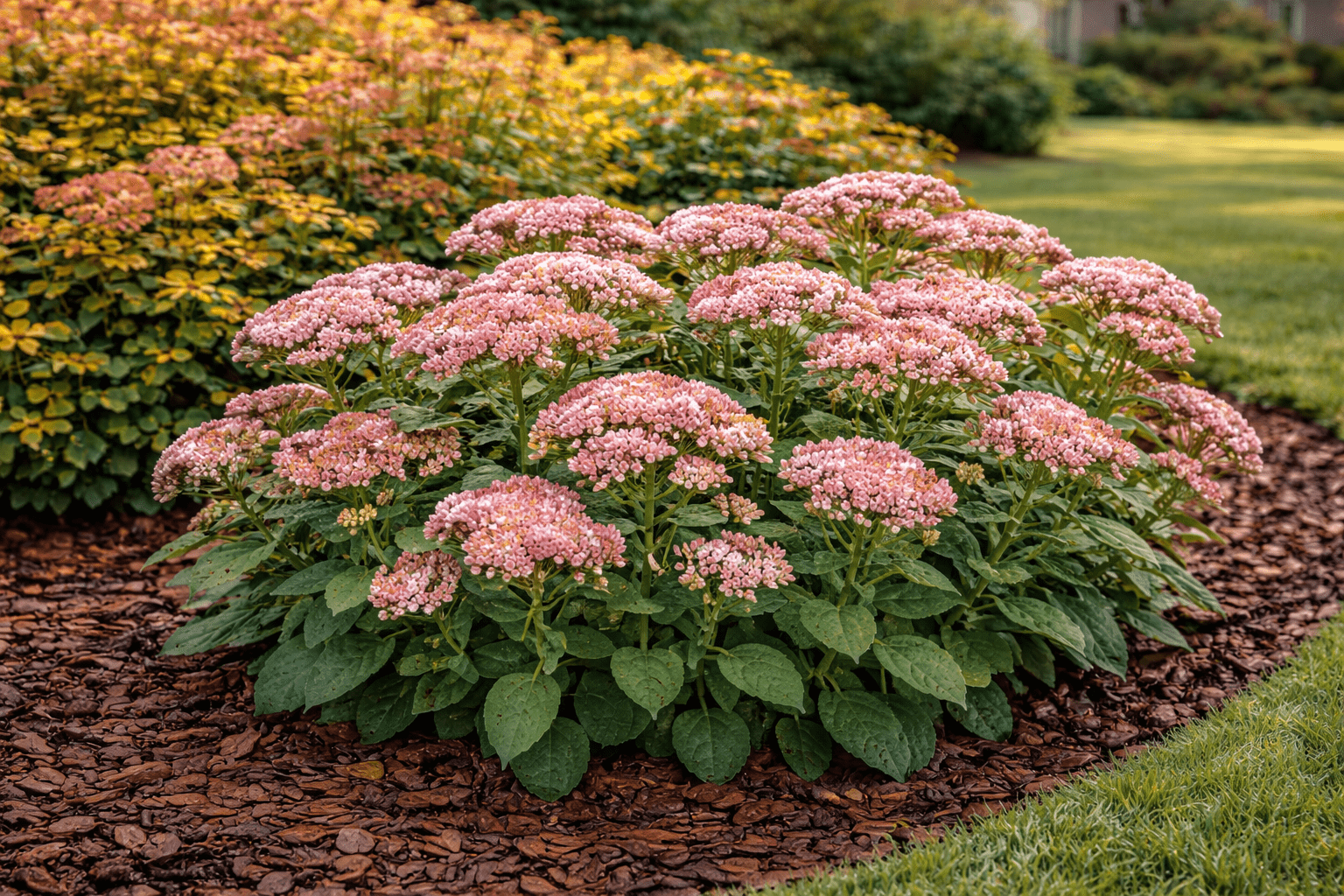
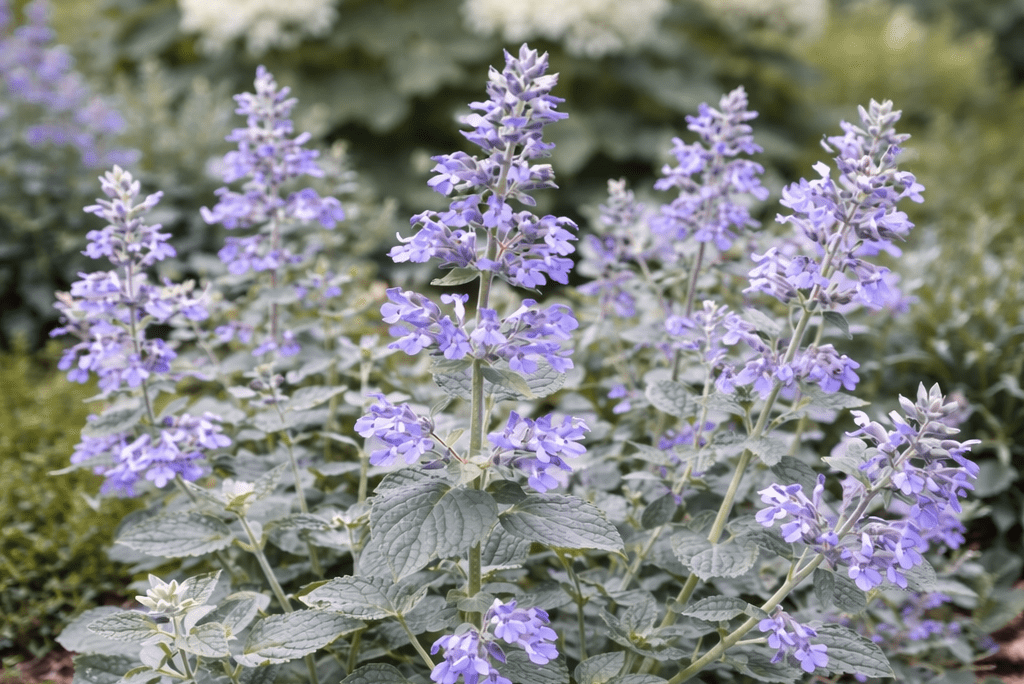
Nepeta (Catmint)
Soft, extended blooms that are highly attractive to pollinators.
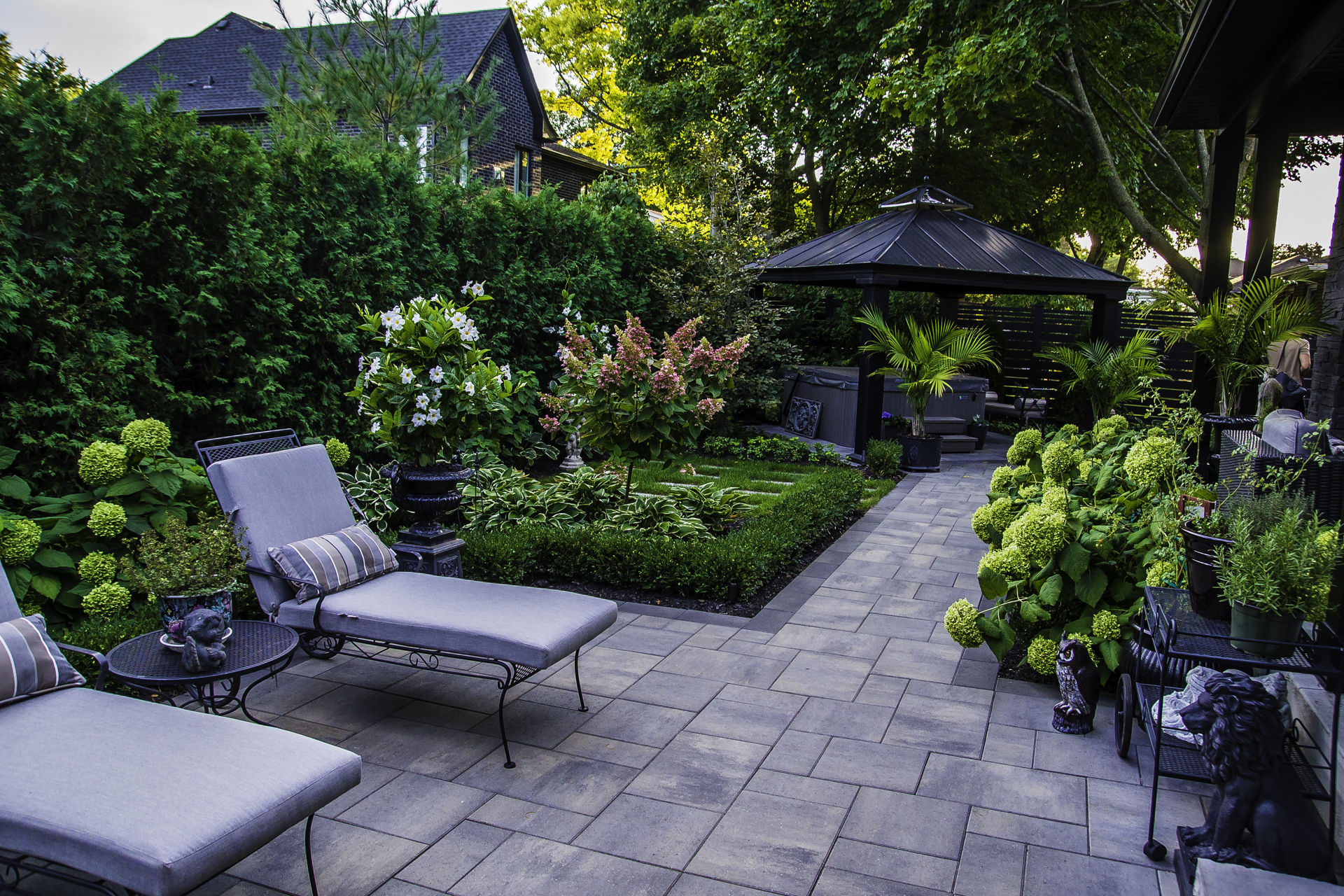
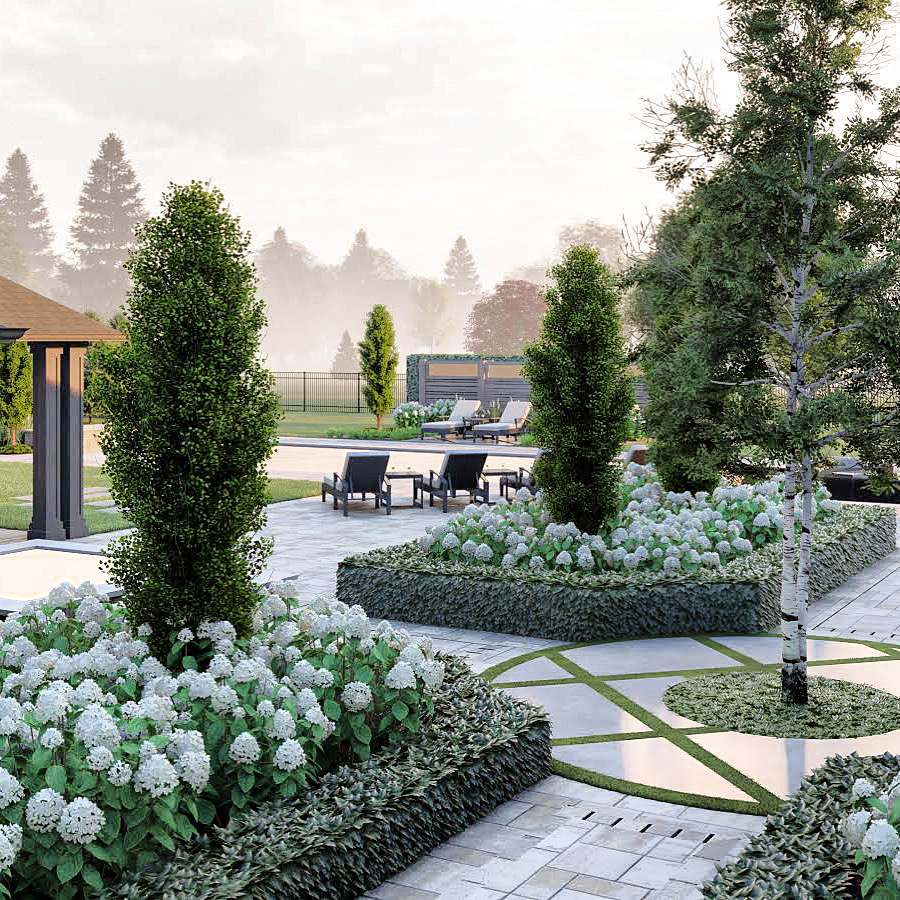
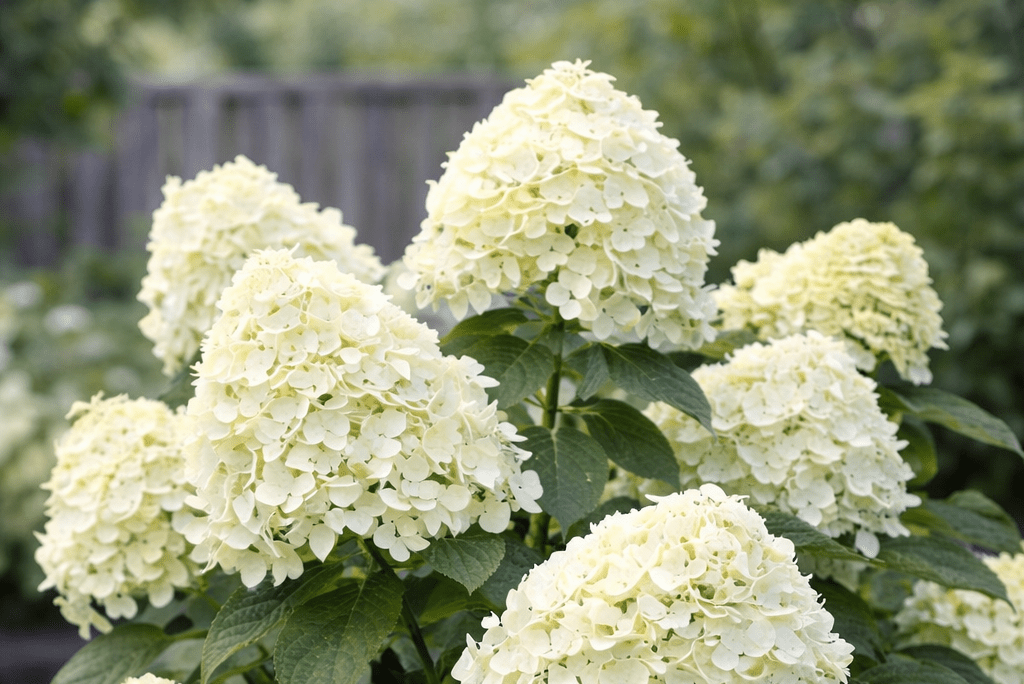
Hydrangea Paniculata
While often chosen for visual impact, certain varieties also provide value to insects.
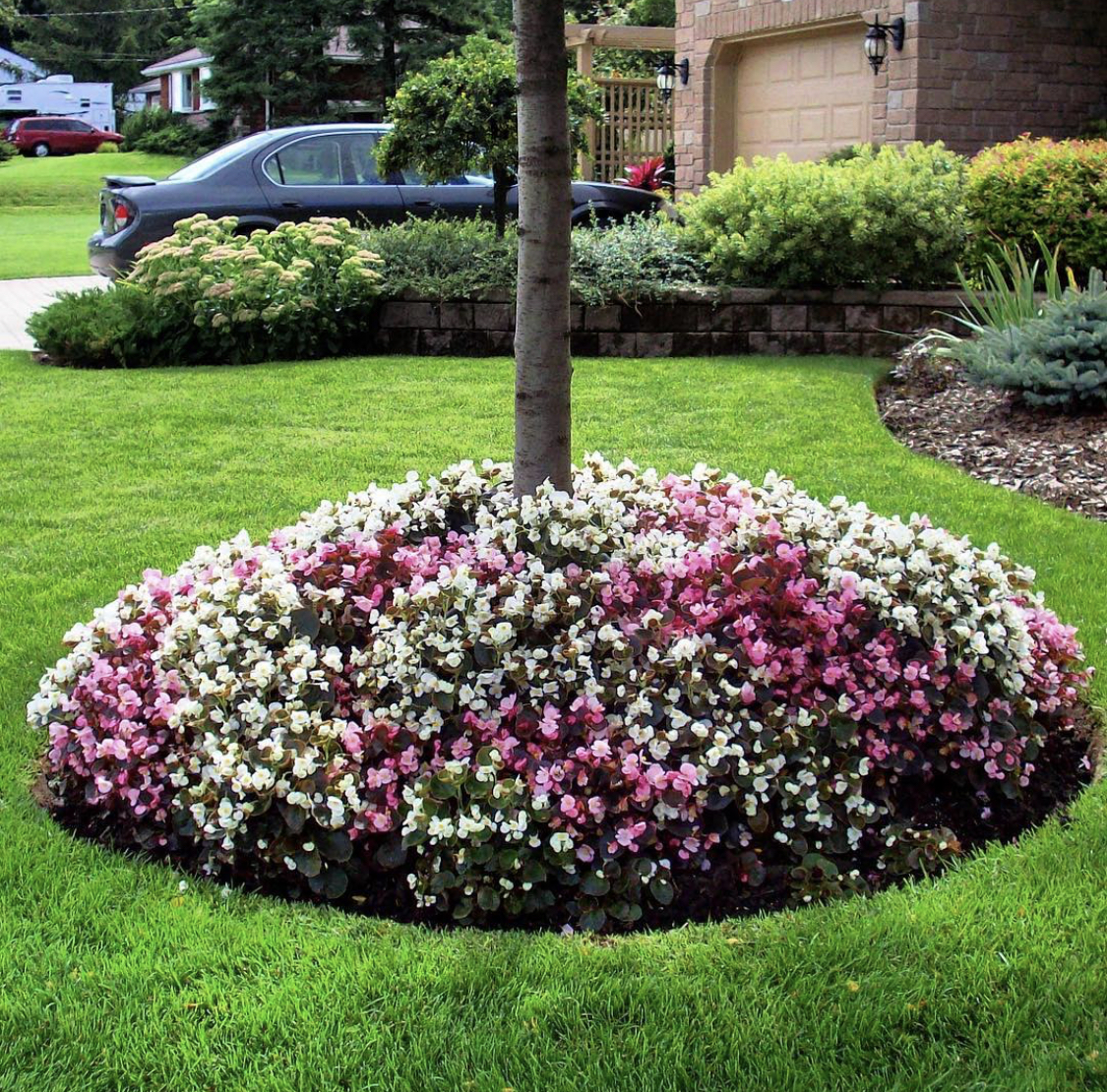
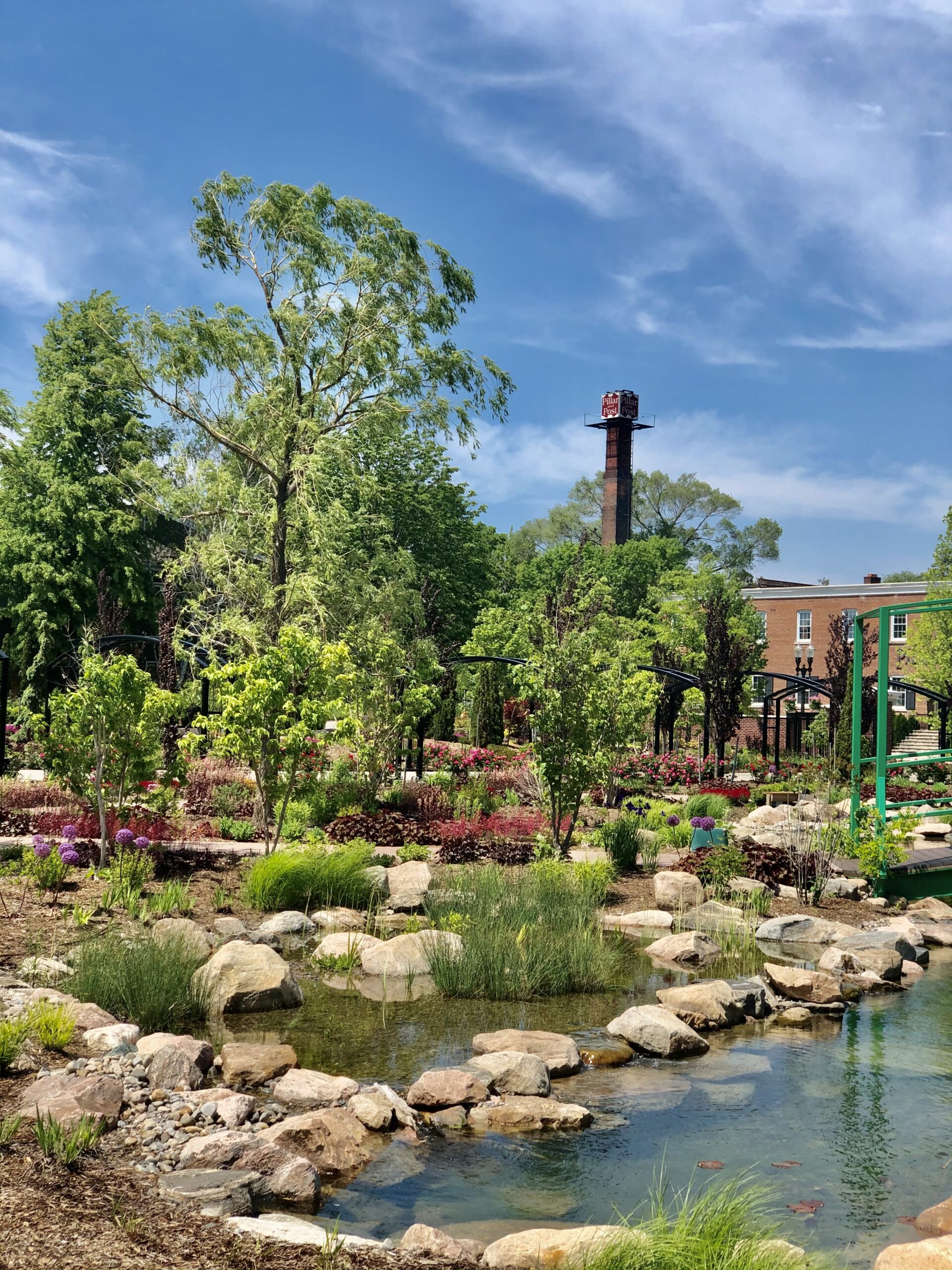
Layering these plants creates a bed that performs visually while supporting ecological function.
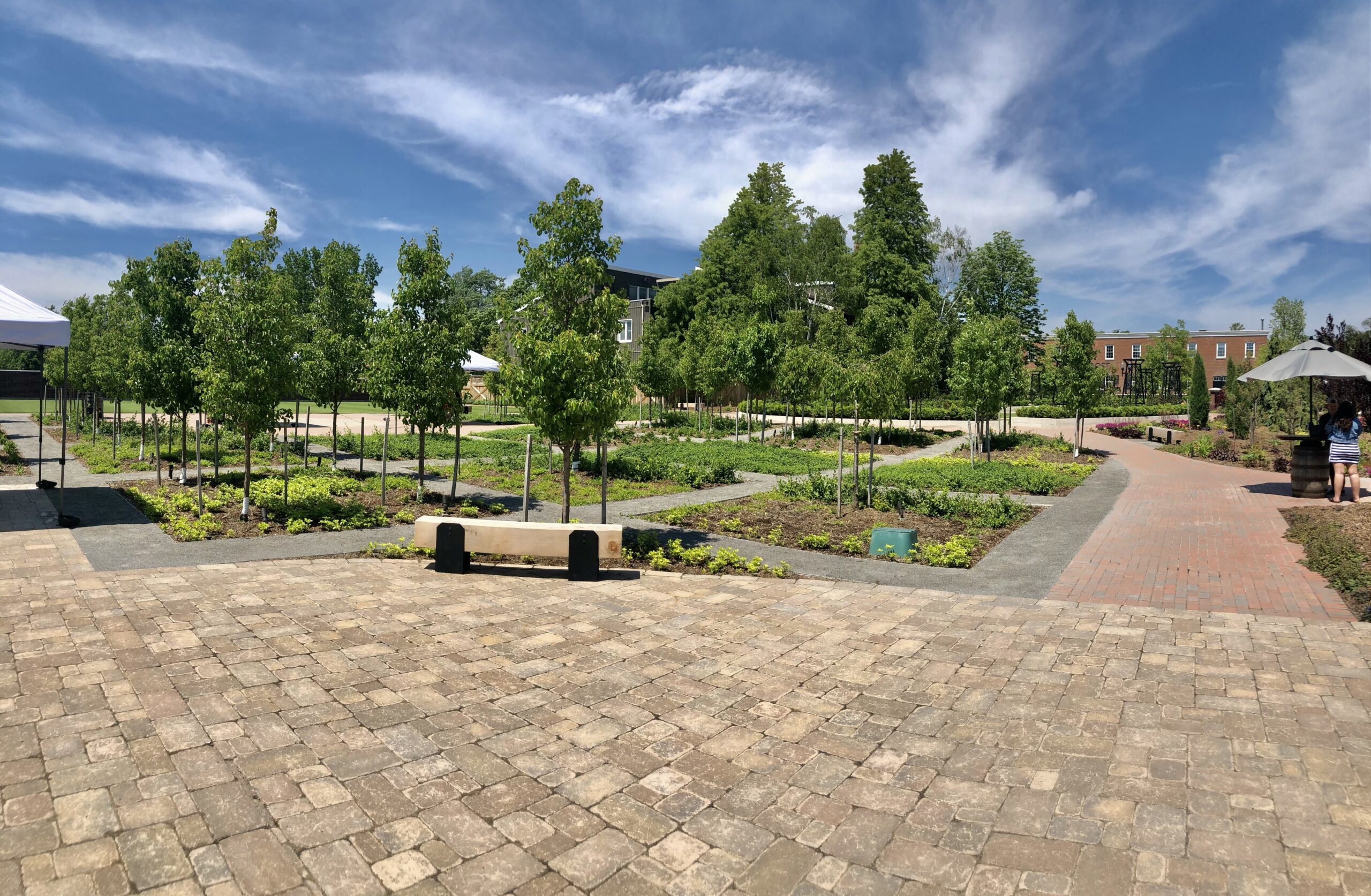
Layering for Structure and Habitat
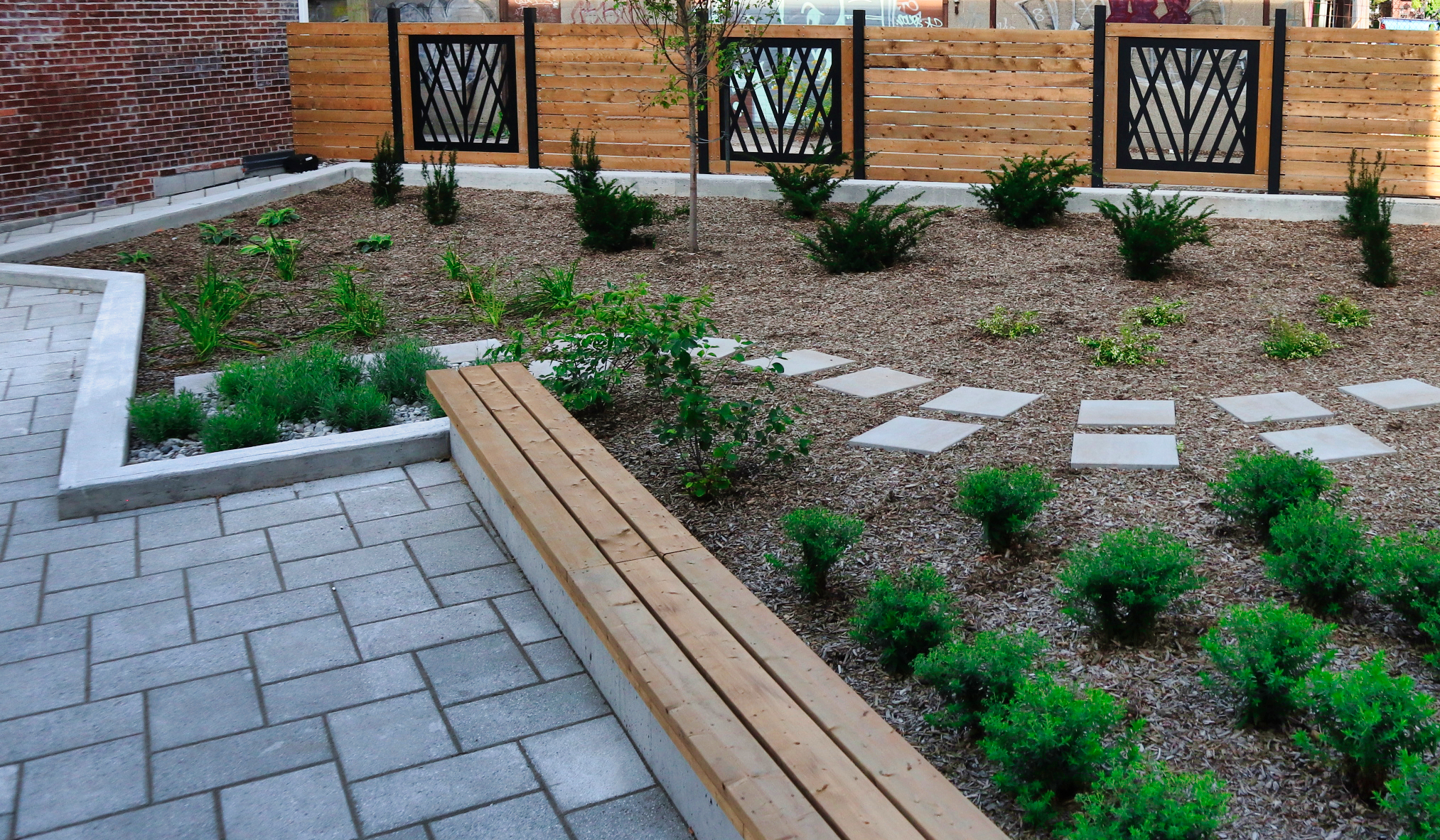
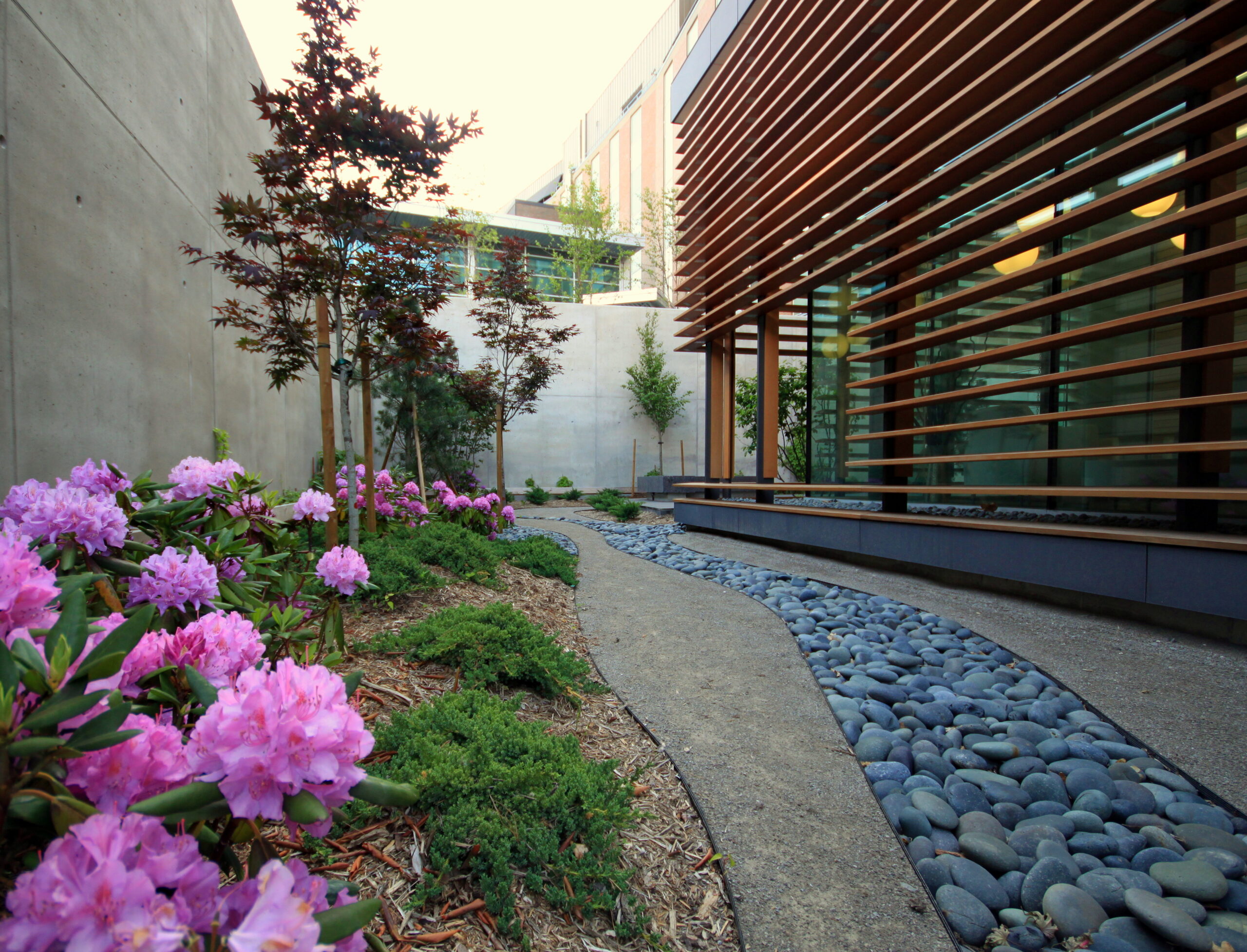
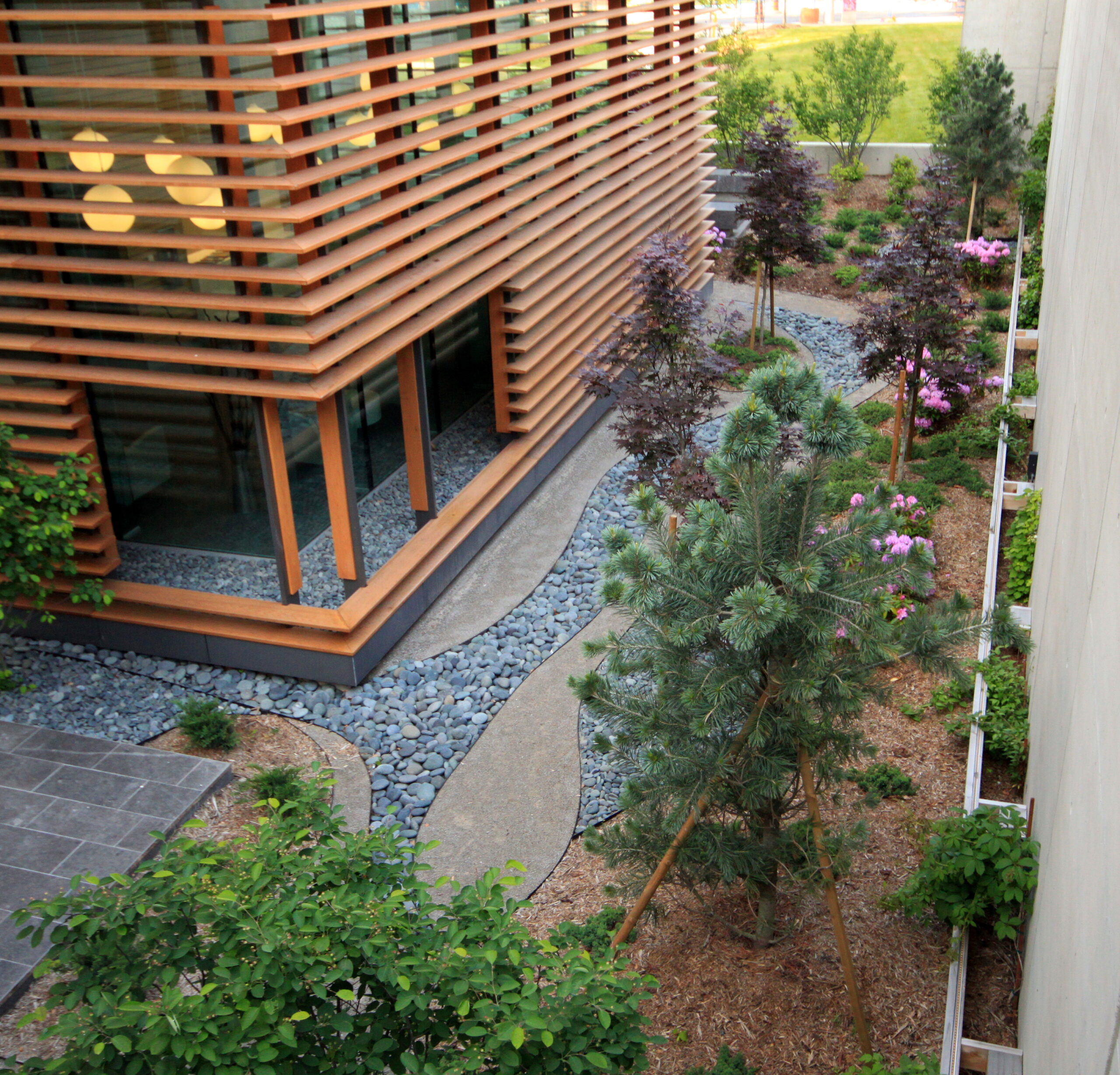
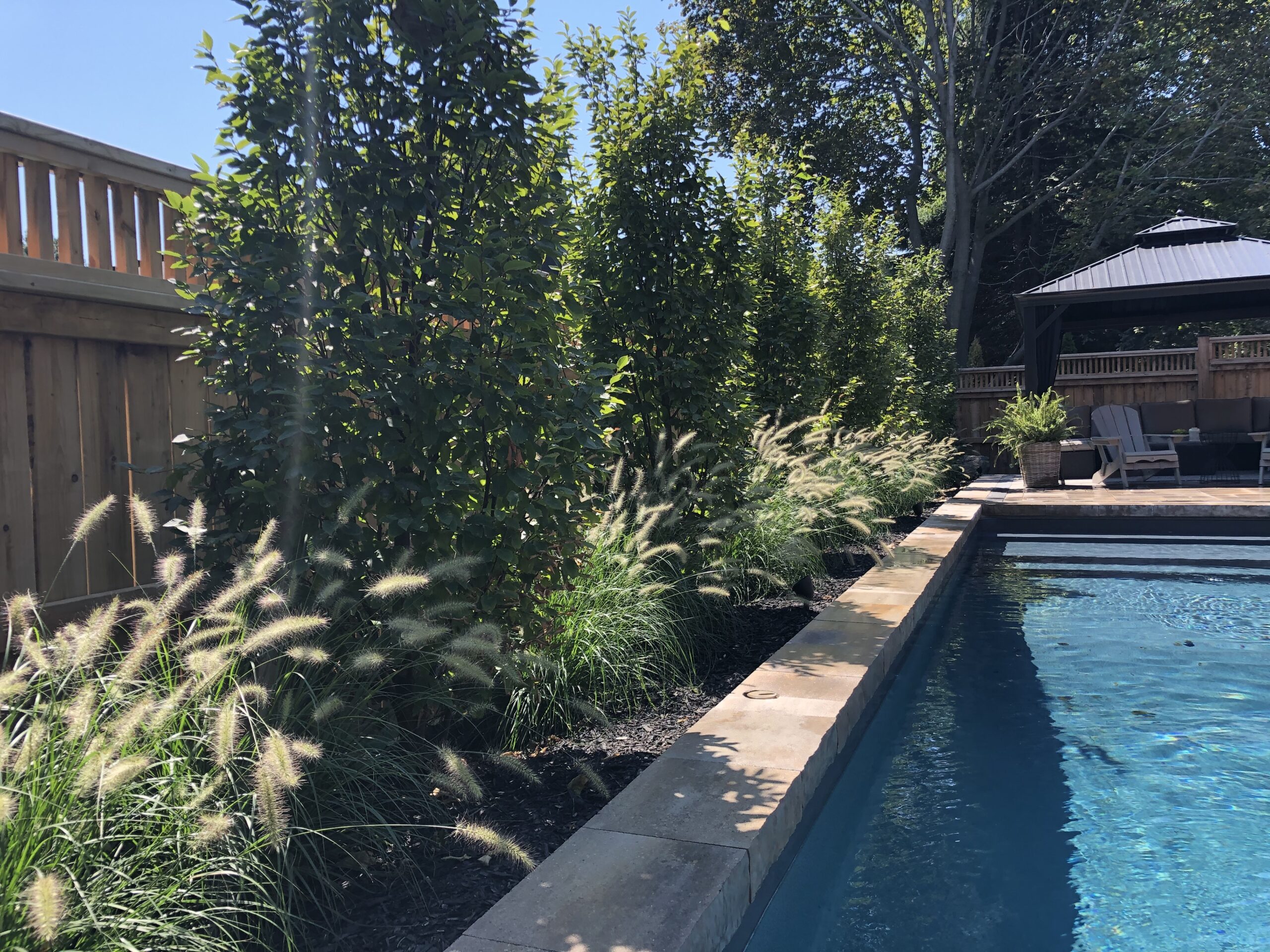
A successful wildlife-supporting planting bed includes more than just flowers.
Consider a layered approach:
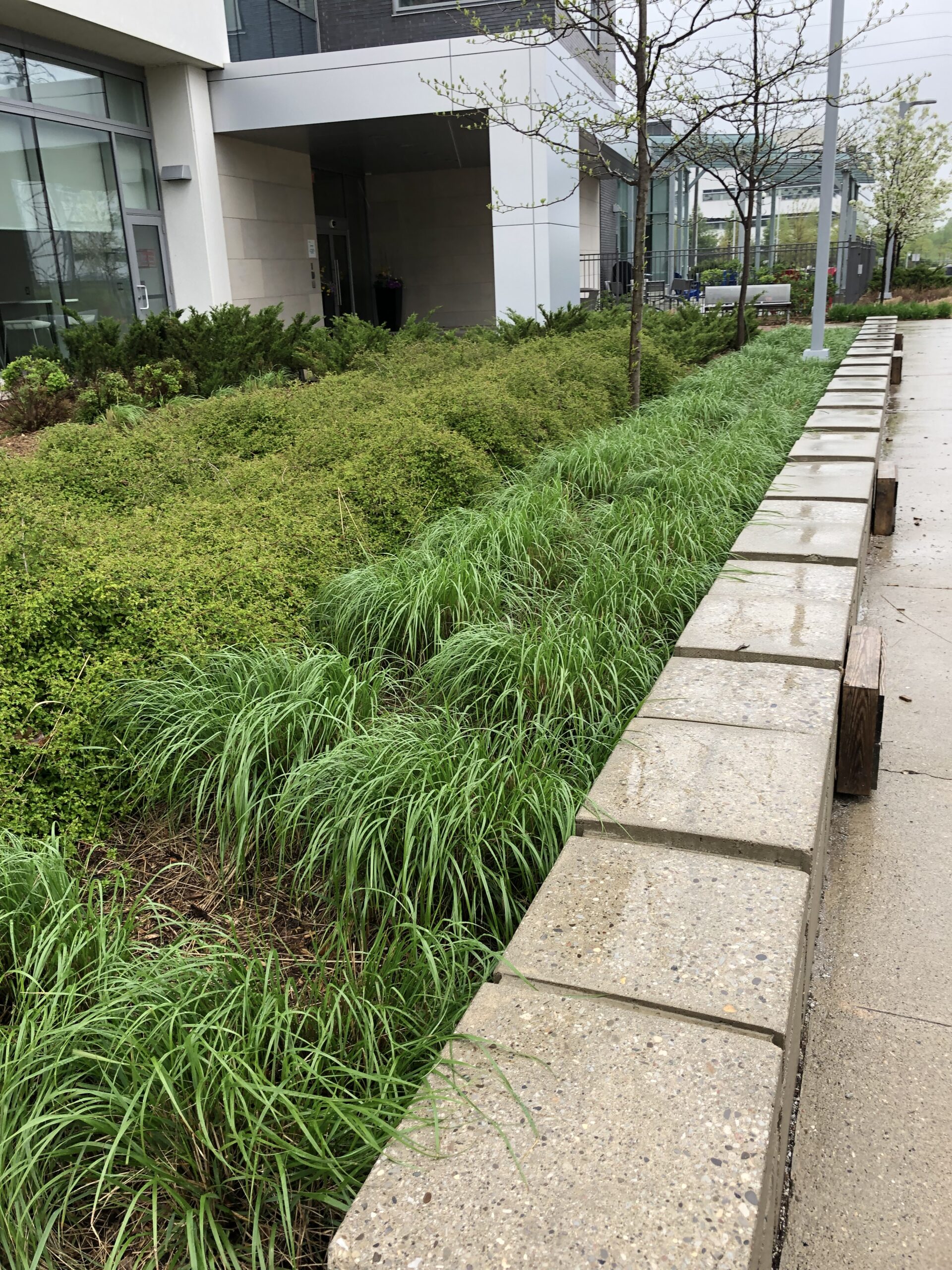
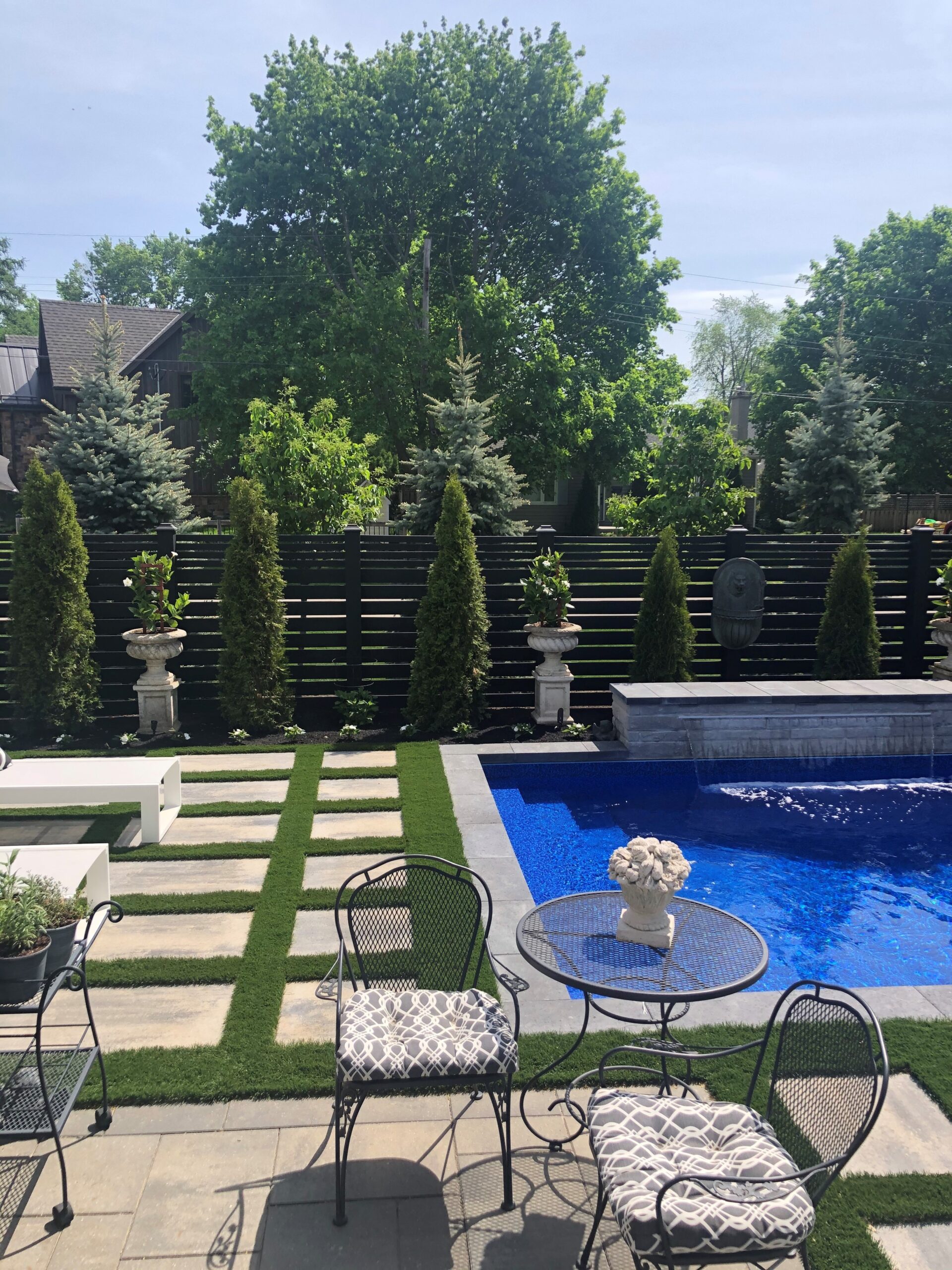
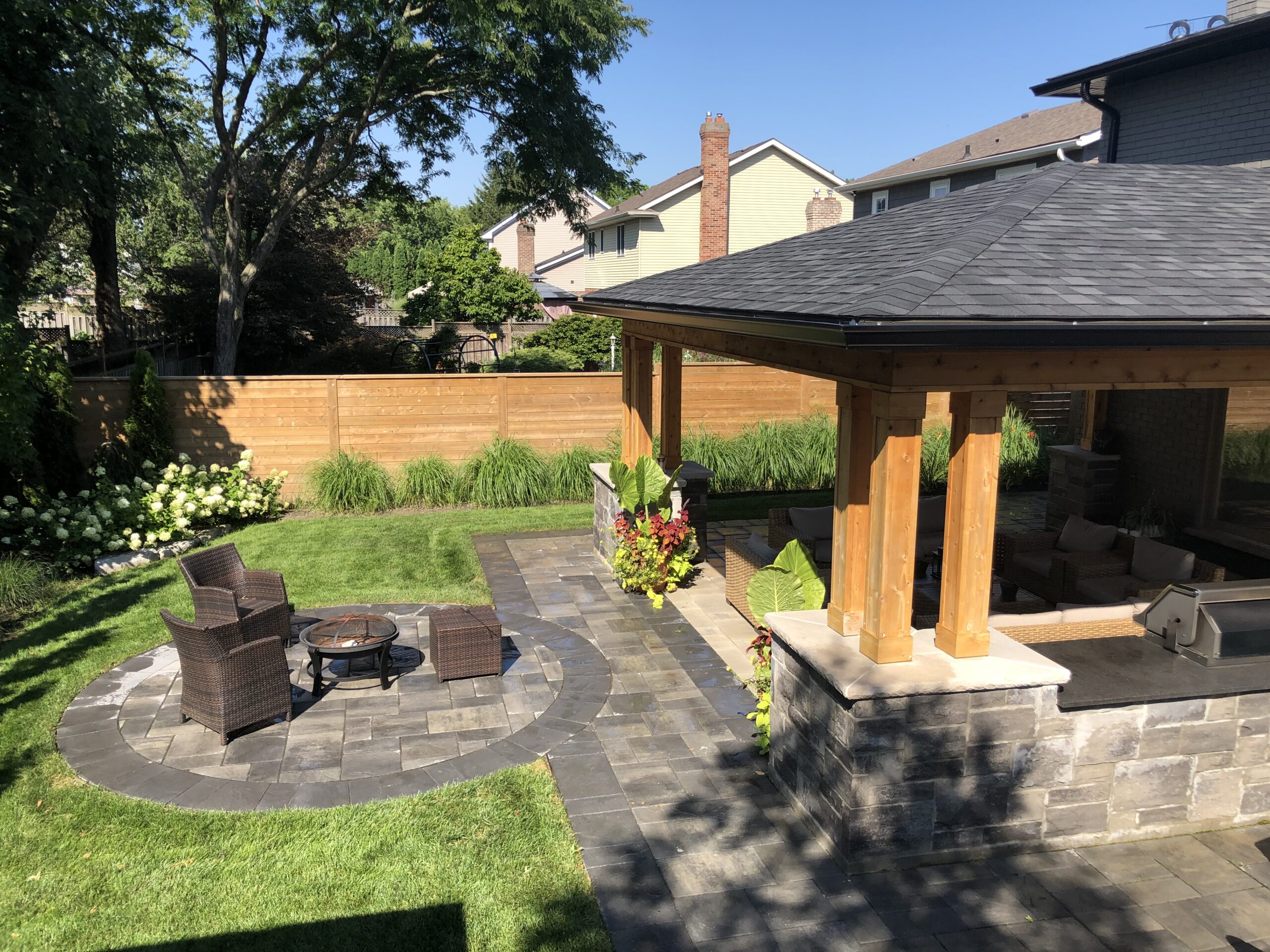
- Backdrop shrubs for shelter
- Mid-layer perennials for sustained blooms
- Lower groundcover plants for soil stability and habitat
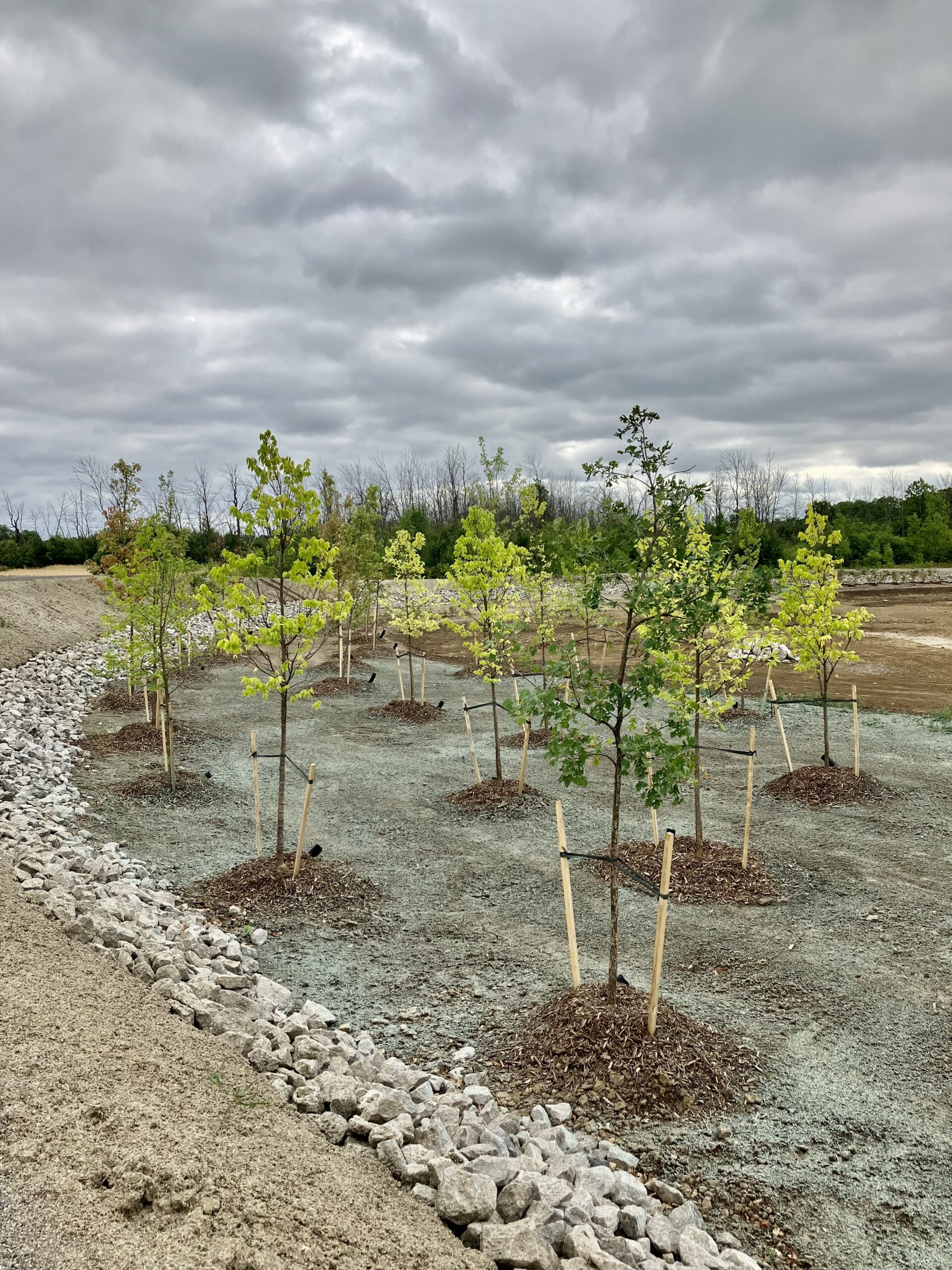
- Trees where possible to support birds and canopy diversity
This structure mirrors natural ecosystems and creates a healthier landscape overall.
Seasonal Bloom Planning
One of the most important factors in supporting pollination is bloom timing.
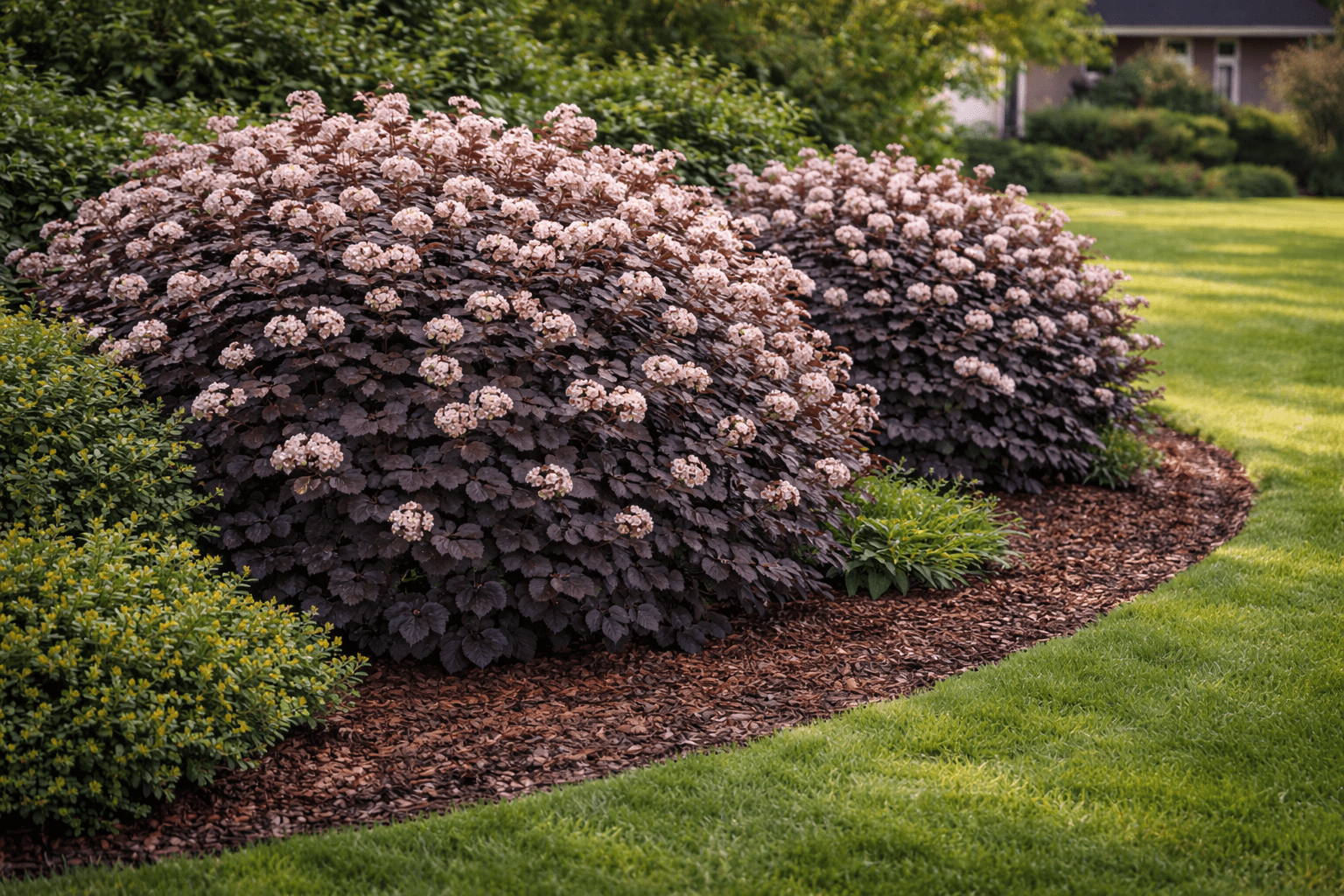
Instead of having all plants peak at once, a well-designed bed provides:
- Late spring blooms
- Strong mid-summer colour
- Late summer and early fall nectar sources
This ensures that pollinators have consistent food access throughout the growing season.
Benefits Beyond Biodiversity
Pollinator-supporting beds also:
- Reduce maintenance through plant diversity
- Improve soil health
- Increase property value through layered design
- Strengthen long-term landscape performance
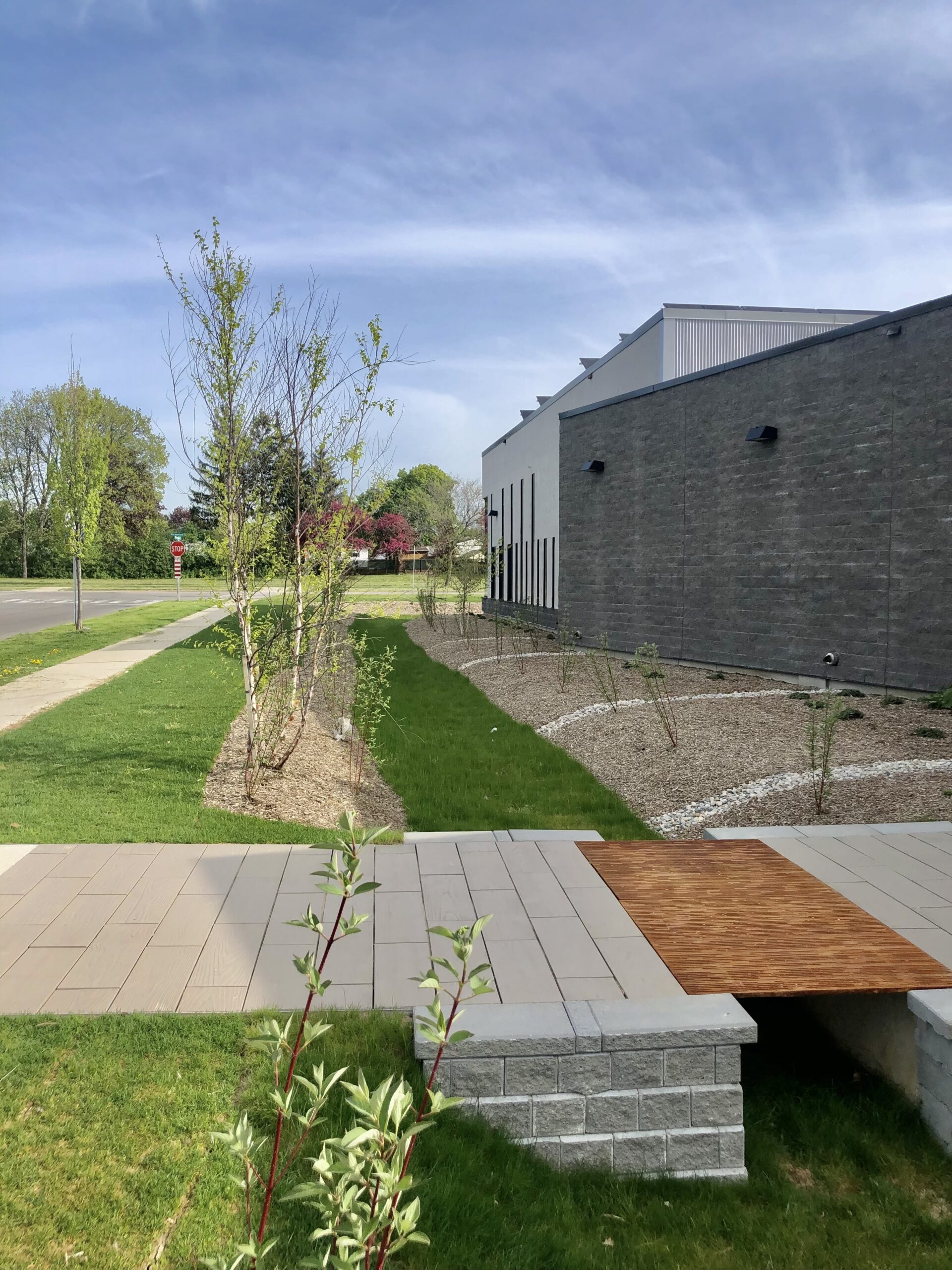
These planting strategies work equally well in residential front yards, commercial properties, and large-scale developments.
Planning Ahead for Spring
Spring planting season fills quickly.
Designing planting beds early allows time to:
- Select appropriate species
- Plan layered structure
- Coordinate bloom cycles
- Secure plant material from suppliers
The result is a bed that is not only visually balanced but ecologically functional.