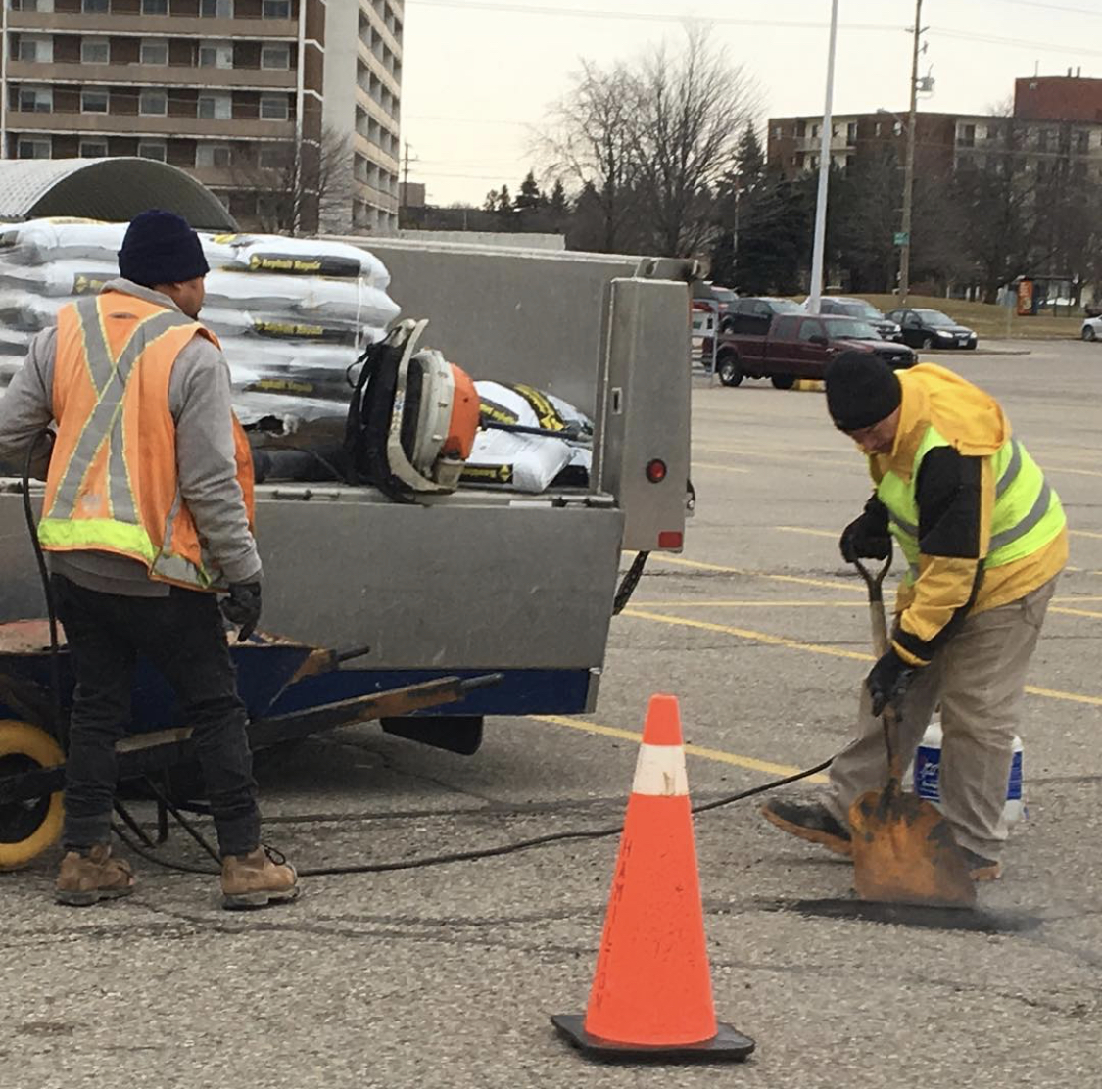
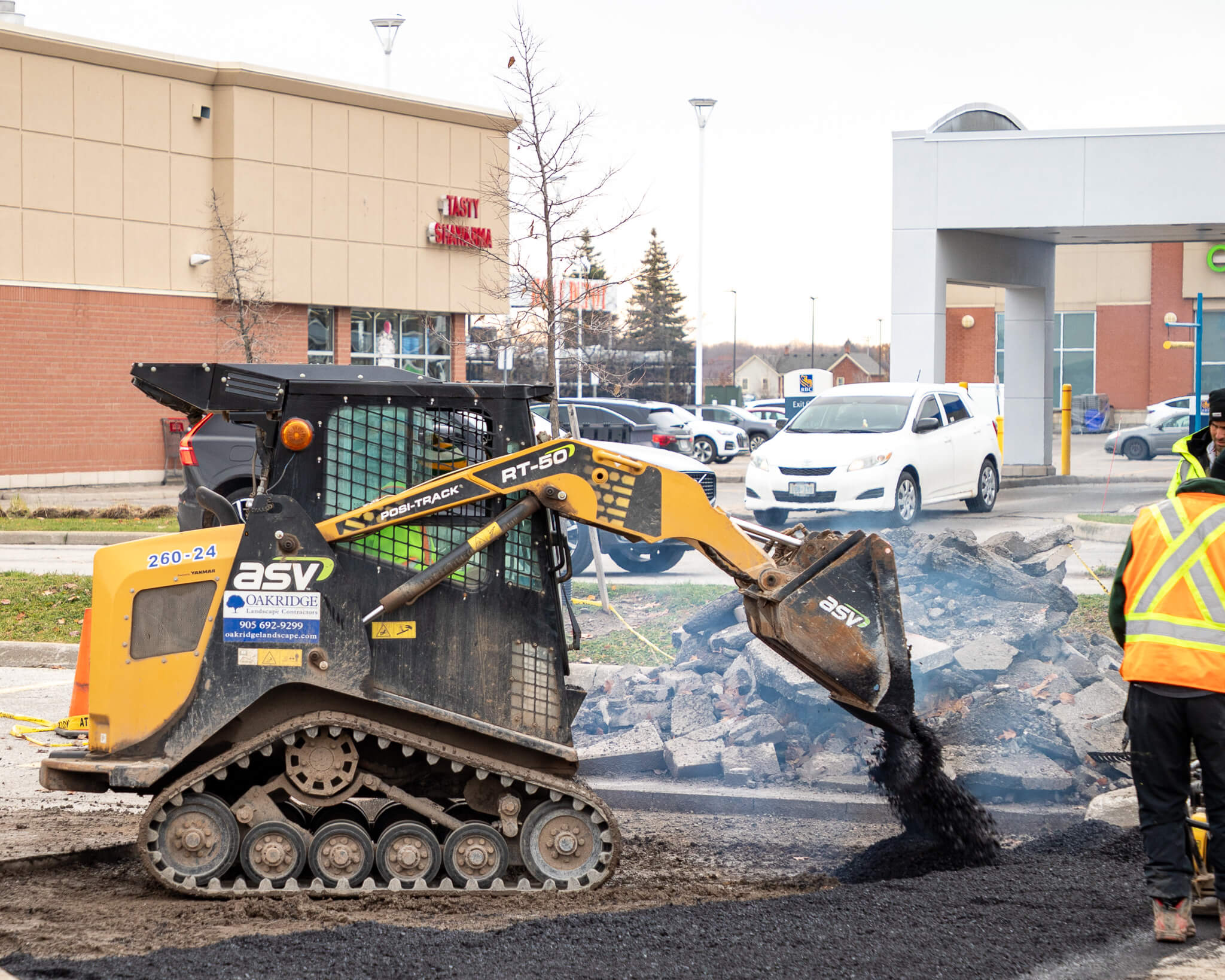
For commercial property managers, pavement maintenance is less about appearances and more about safety, liability, and long-term cost control. Small asphalt failures can quickly turn into larger, more expensive problems if they are left unaddressed. Hot patch asphalt repairs offer a practical way to extend the life of parking lots, drive lanes, and service areas while keeping sites safe and functional.
The Real Benefits of Hot Patch Repairs
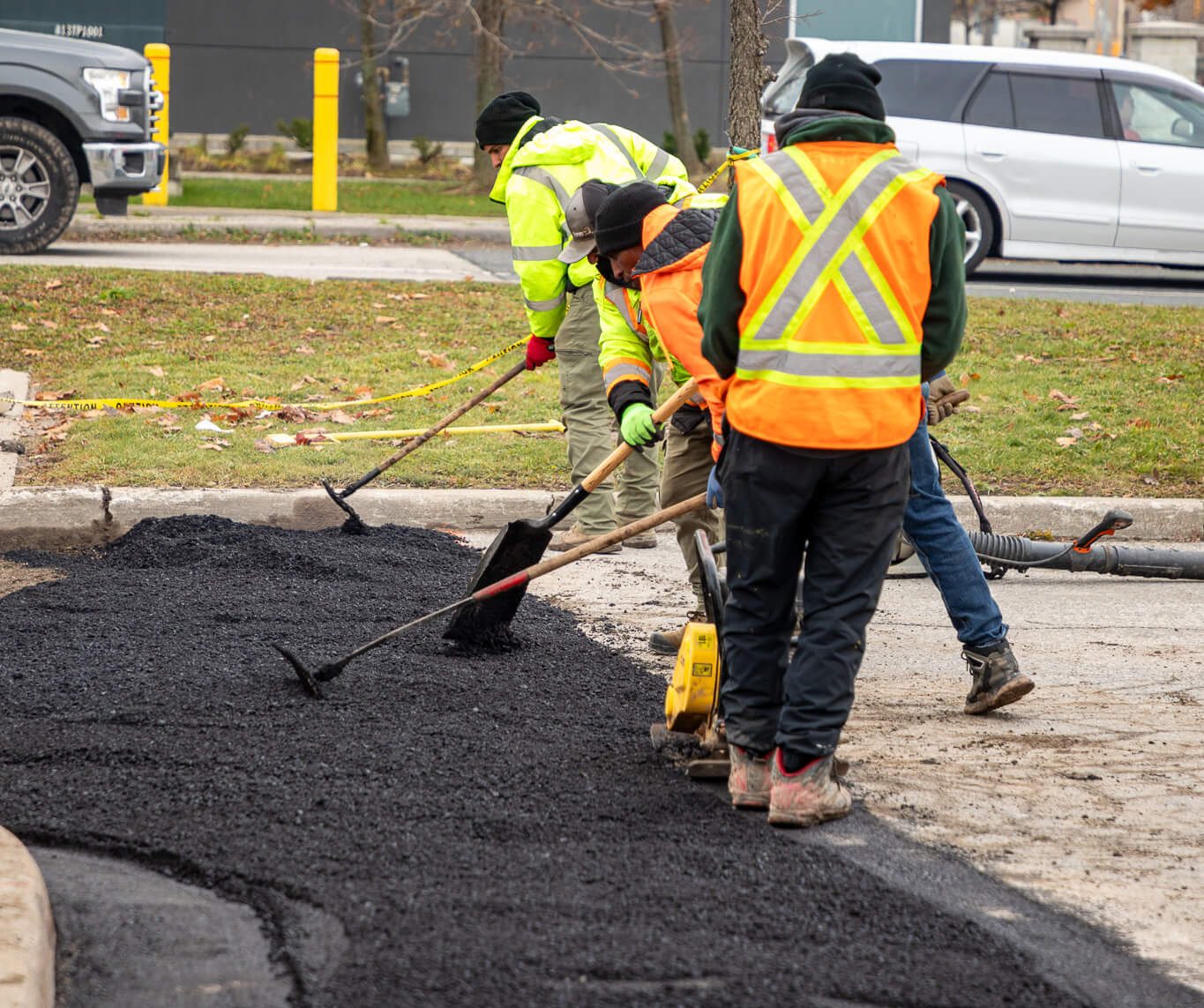
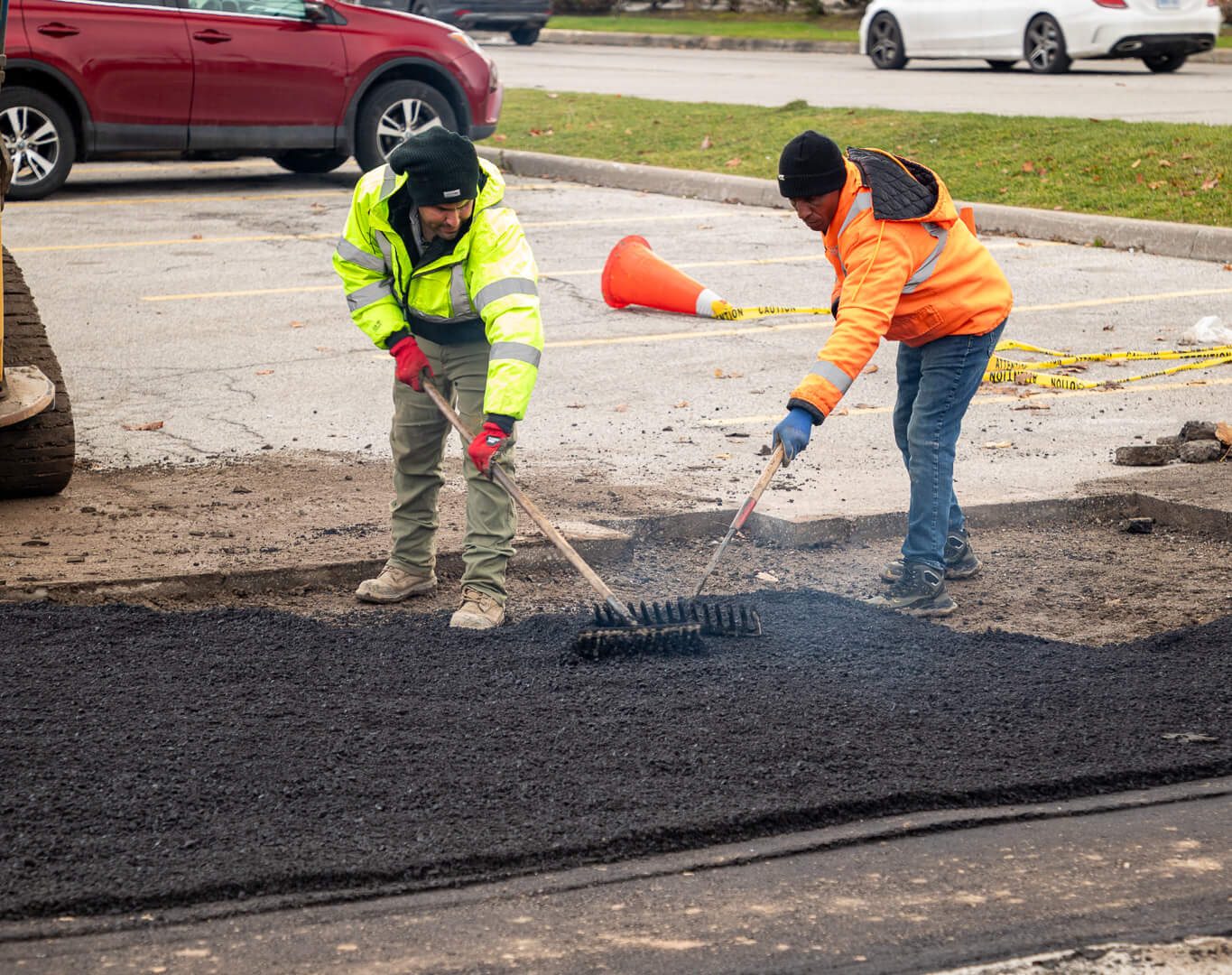
Hot patch repairs provide a durable, long-lasting solution compared to temporary cold patch fixes. Because the material properly bonds with existing asphalt, the repaired areas hold up better under traffic, weather, and seasonal freeze-thaw cycles. This means fewer repeat repairs, lower maintenance costs over time, and a more consistent surface across the property.
From a risk management standpoint, addressing potholes and surface failures quickly helps reduce trip hazards, vehicle damage, and potential liability claims. Well-maintained pavement also supports better drainage, which prevents water from sitting in damaged areas and accelerating deterioration.
There is also a strong operational benefit. Hot patch repairs can often be completed efficiently with minimal disruption to tenants, customers, or site operations, especially when planned strategically.
Why Acting Sooner Pays Off
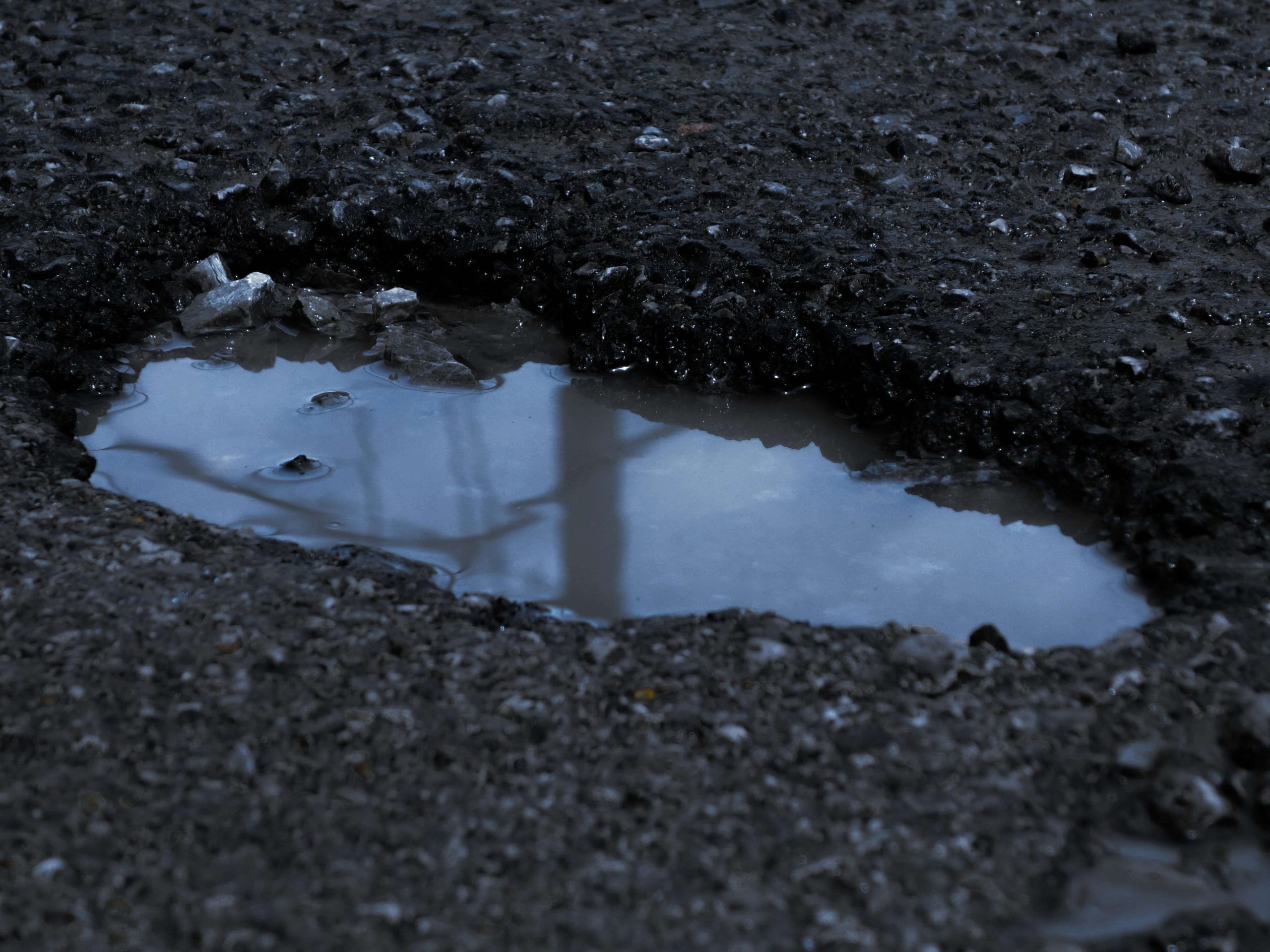
Delaying asphalt repairs almost always increases costs. Small surface failures allow water to penetrate the base layers, which leads to wider cracking, deeper structural damage, and eventually full section replacements. Hot patching early helps contain the problem, protect the underlying structure, and postpone the need for larger capital repairs.
For property managers balancing annual maintenance budgets, this proactive approach helps spread costs more predictably and avoids surprise emergency repairs.
When Is the Best Time to Do Hot Patch Work?
Hot patch asphalt repairs are best performed during warmer months when temperatures allow for proper bonding and compaction. Spring, summer, and early fall typically offer the most reliable conditions and the longest-lasting results.
That said, hot patching can still be completed outside of peak season in many cases, depending on weather and site conditions. Winter repairs are often used to stabilize damaged areas, improve safety, and help prevent further deterioration caused by freeze-thaw cycles and ongoing traffic. While these repairs may be more temporary in nature, they play an important role in limiting additional damage until more favorable conditions return.
Planning Ahead for Better Results
For commercial properties, the best strategy is to plan hot patch work as part of a seasonal maintenance schedule rather than waiting for visible failures to become urgent problems. Addressing issues early improves surface performance, supports tenant and customer safety, and protects long-term pavement investment.
In short, hot patch asphalt repairs are not just a fix. They are a cost-effective, preventative tool that helps commercial properties stay safer, look better, and perform longer with fewer disruptions.