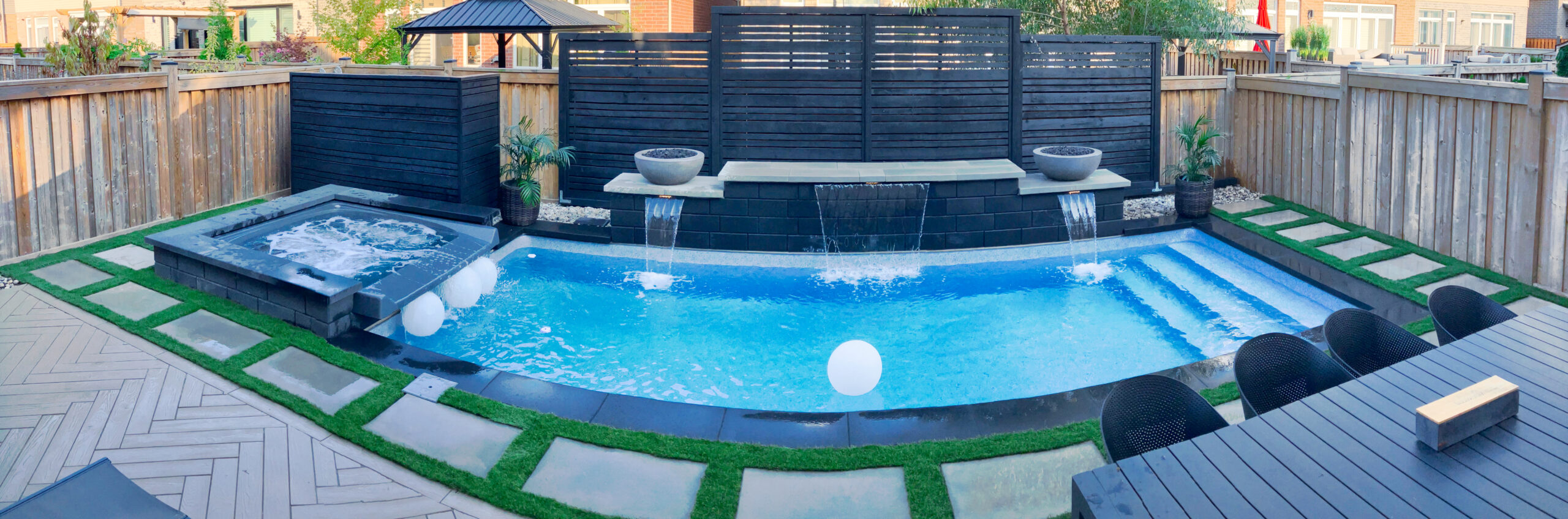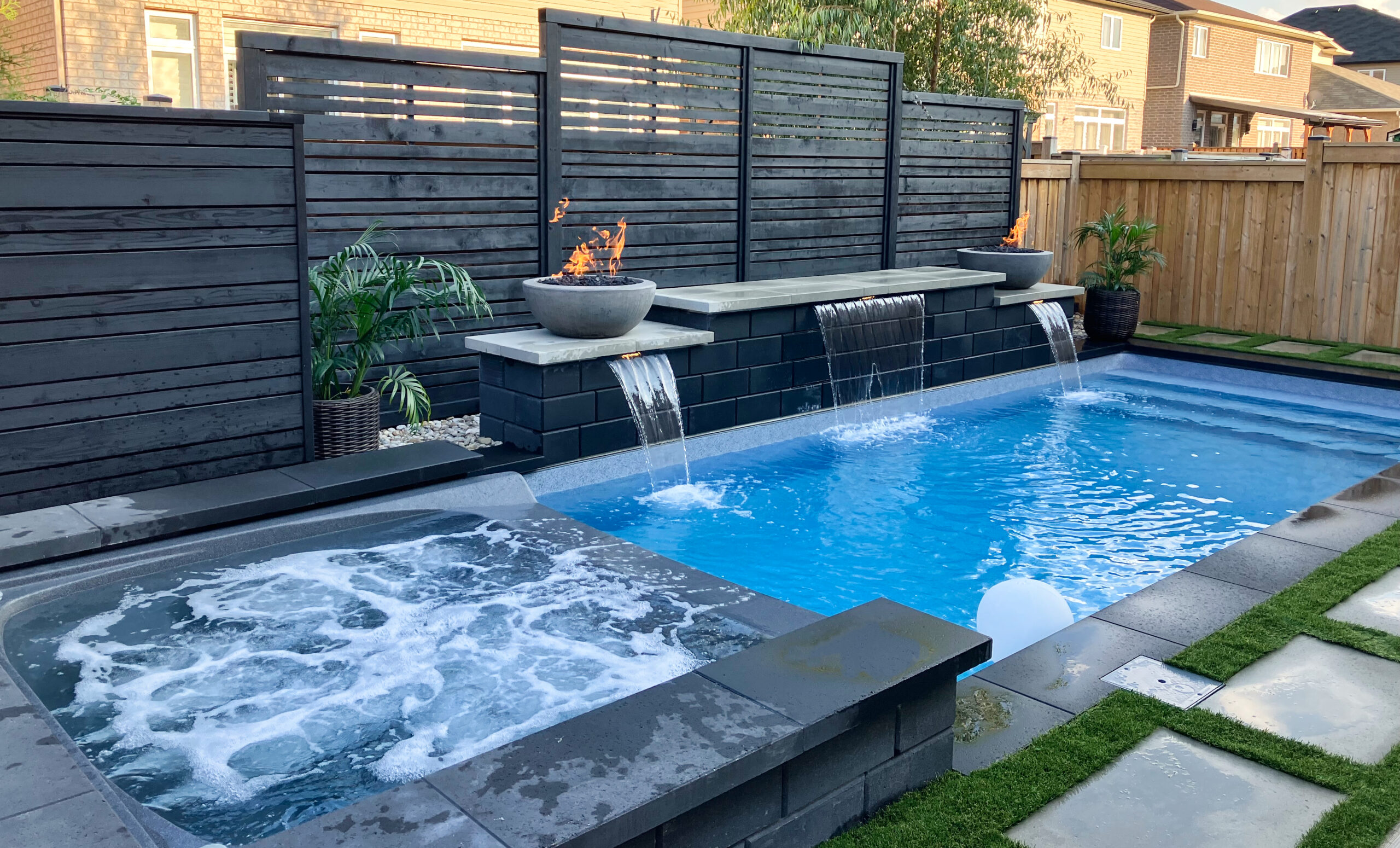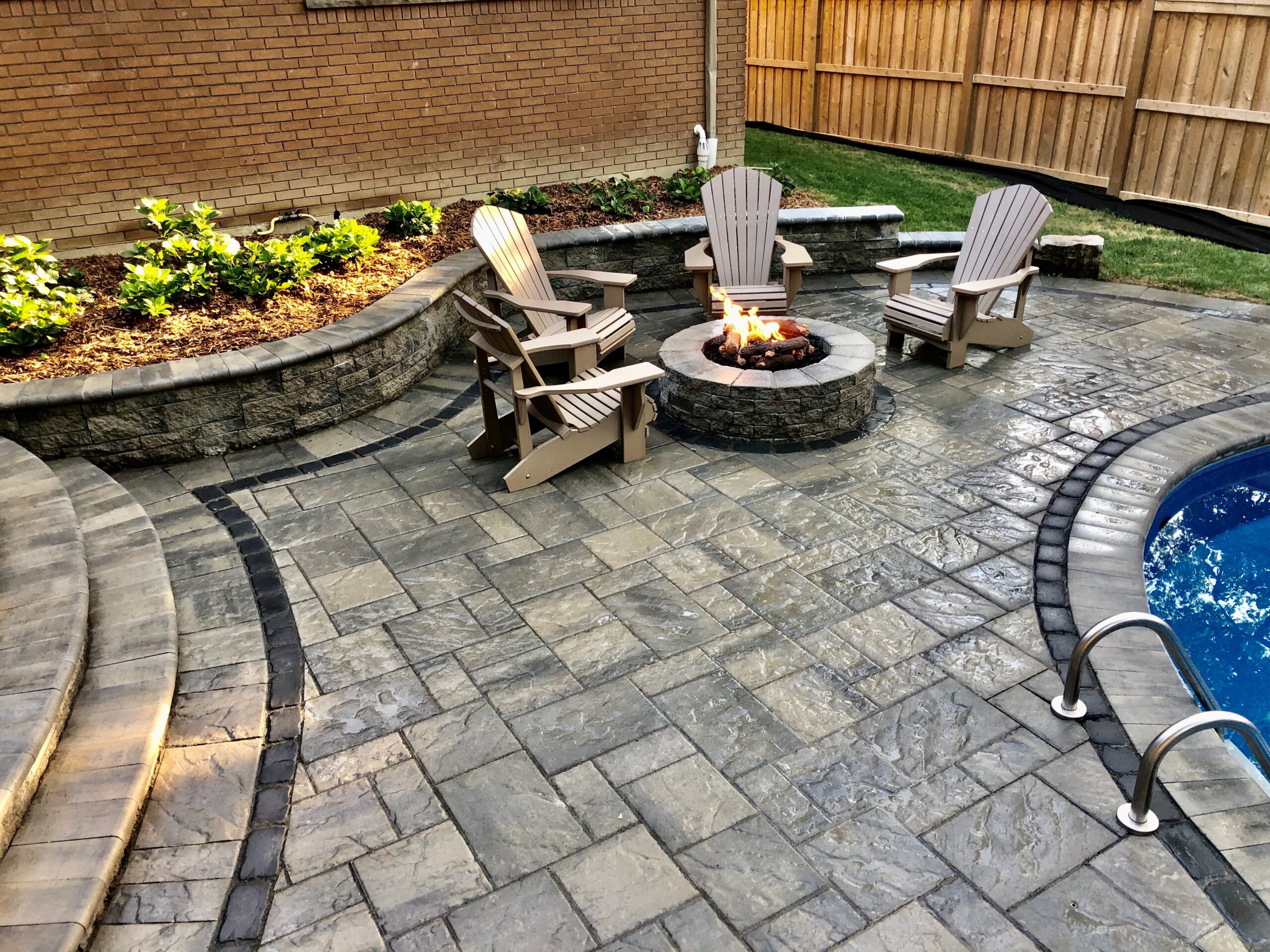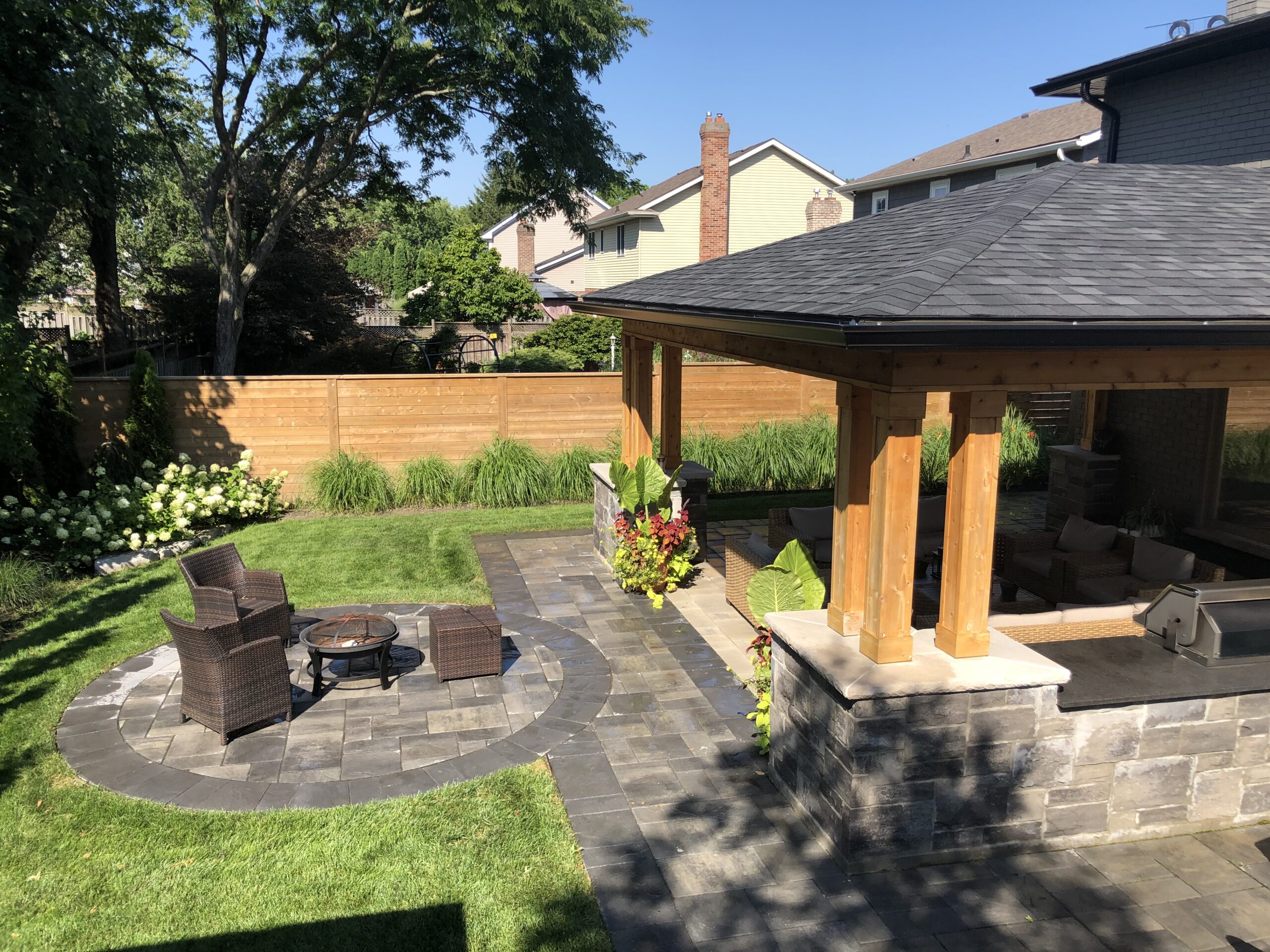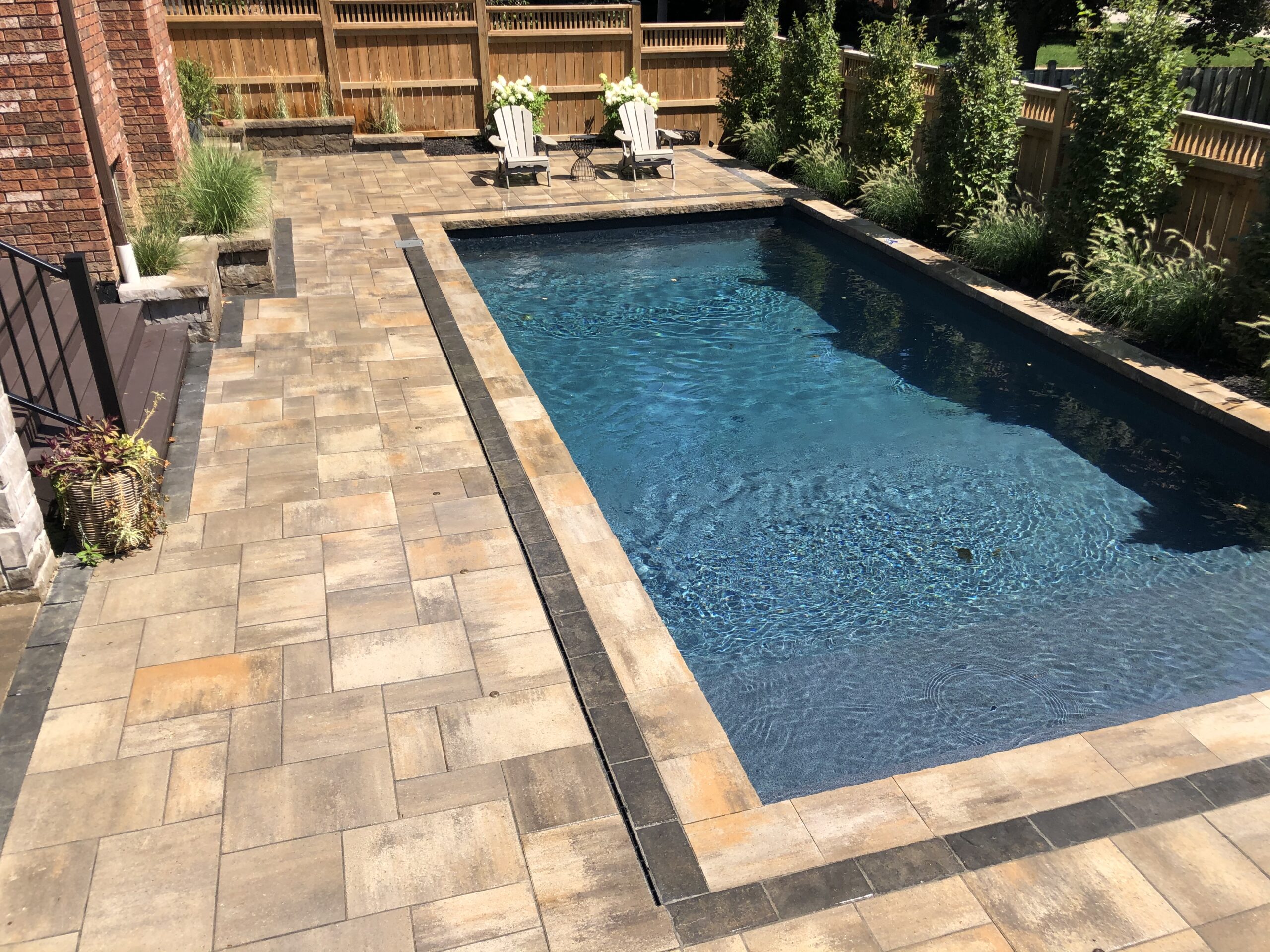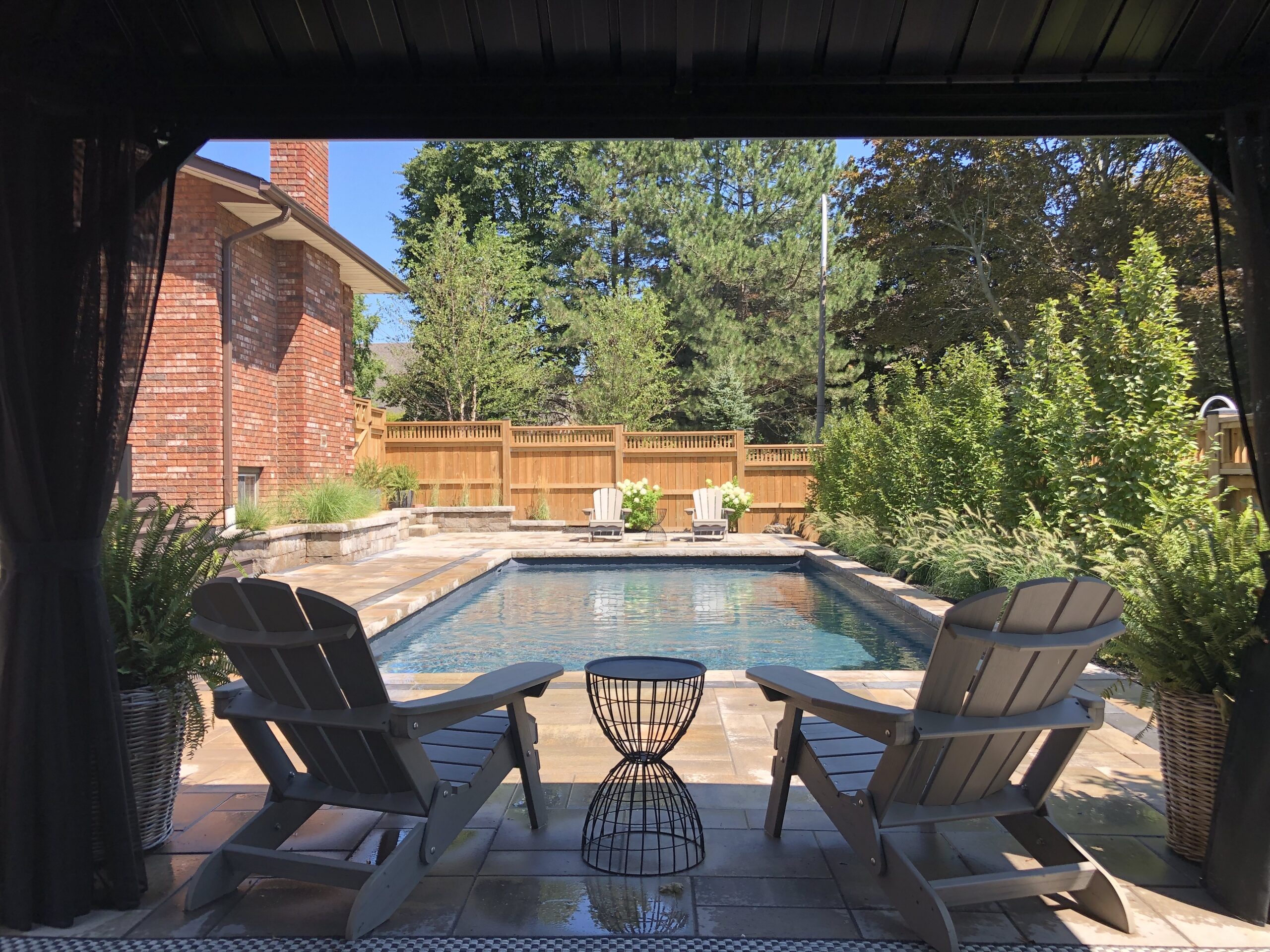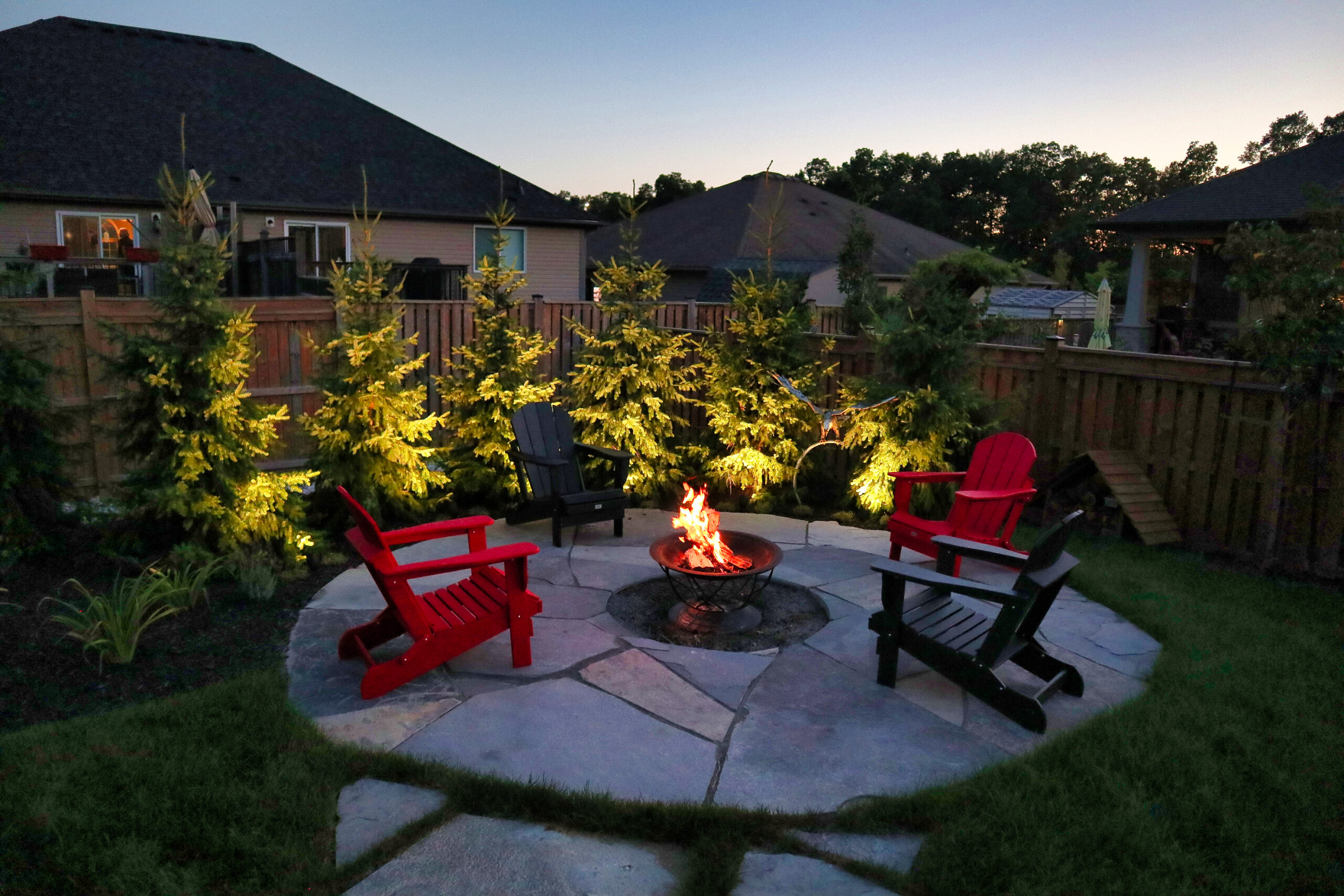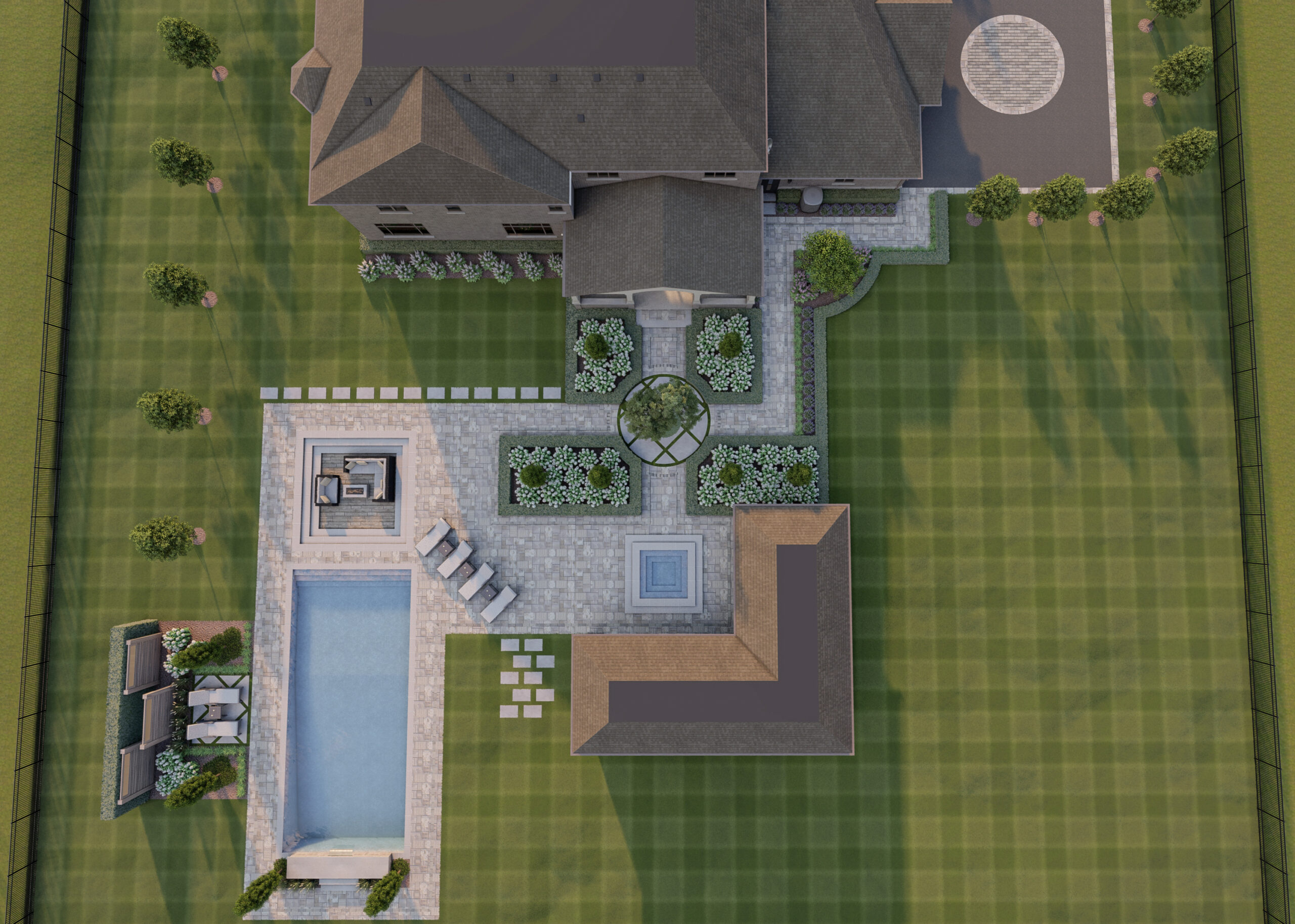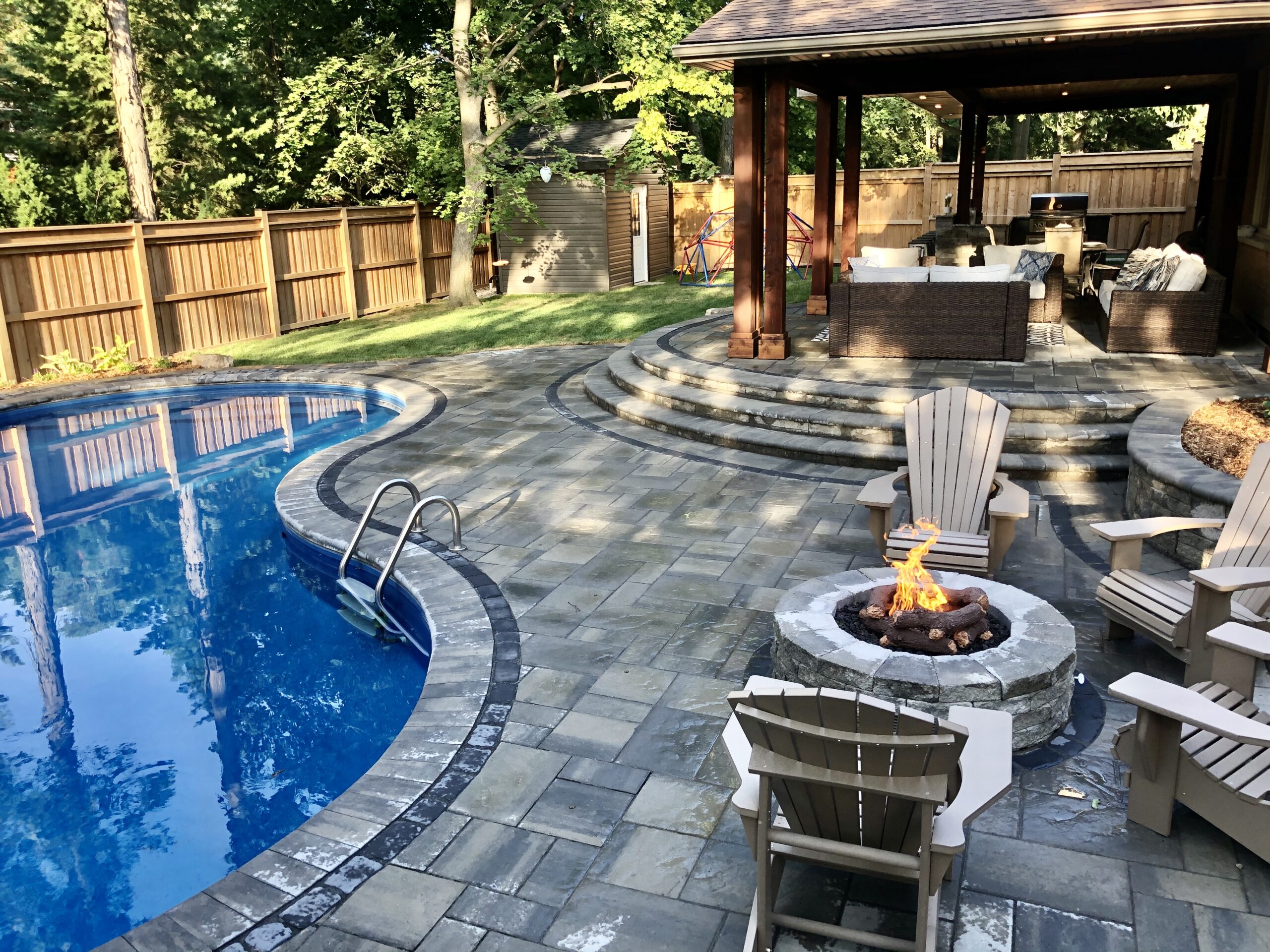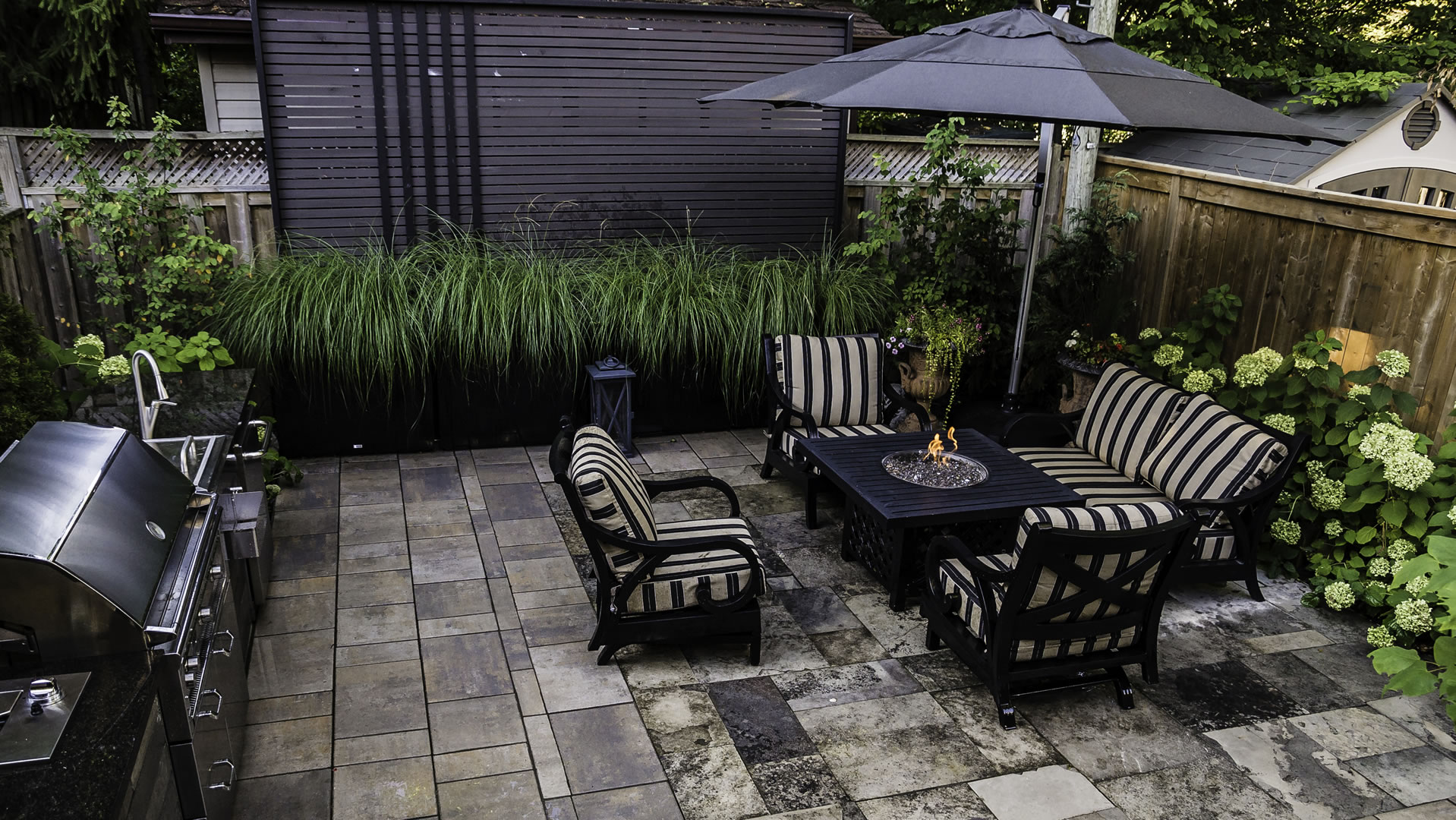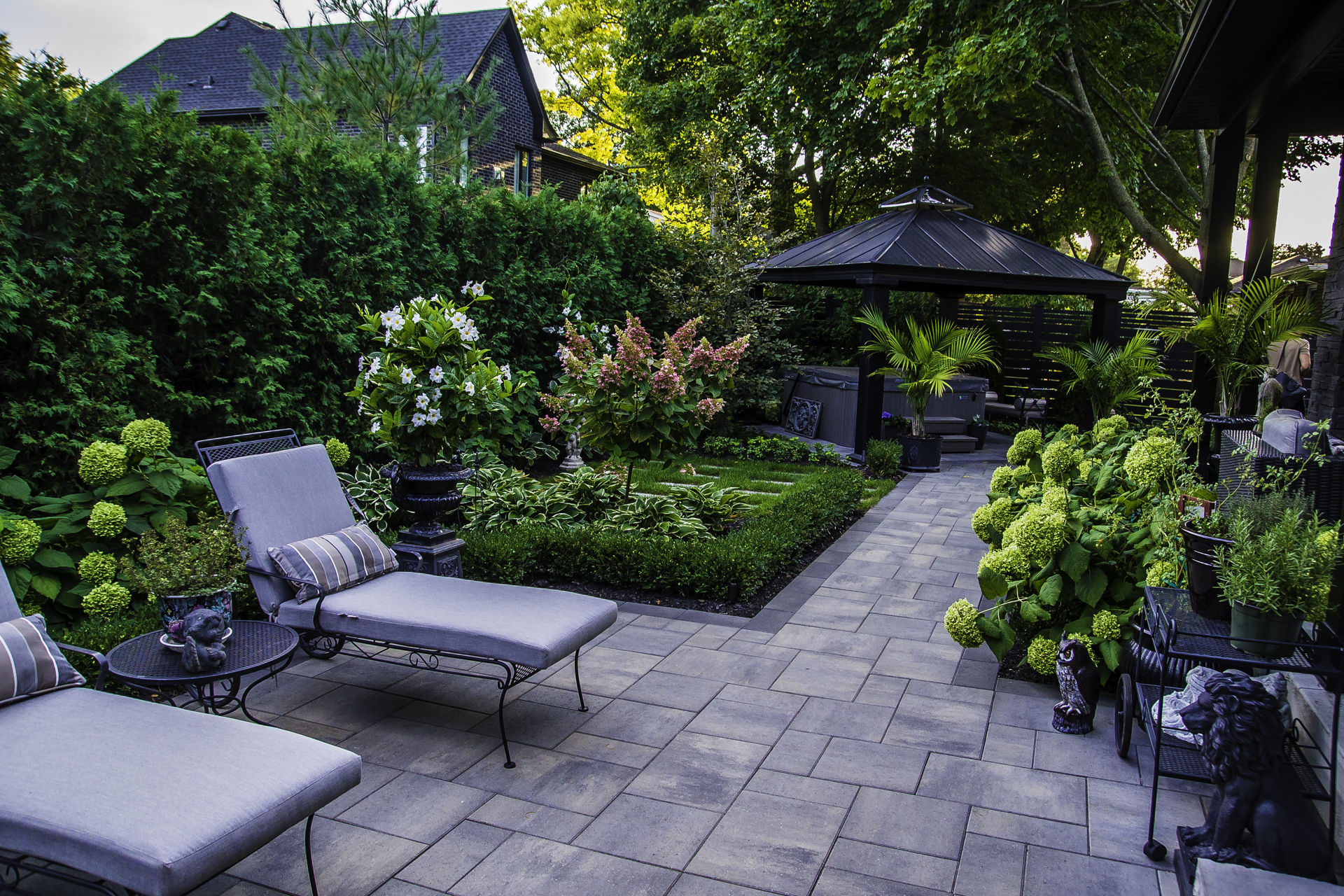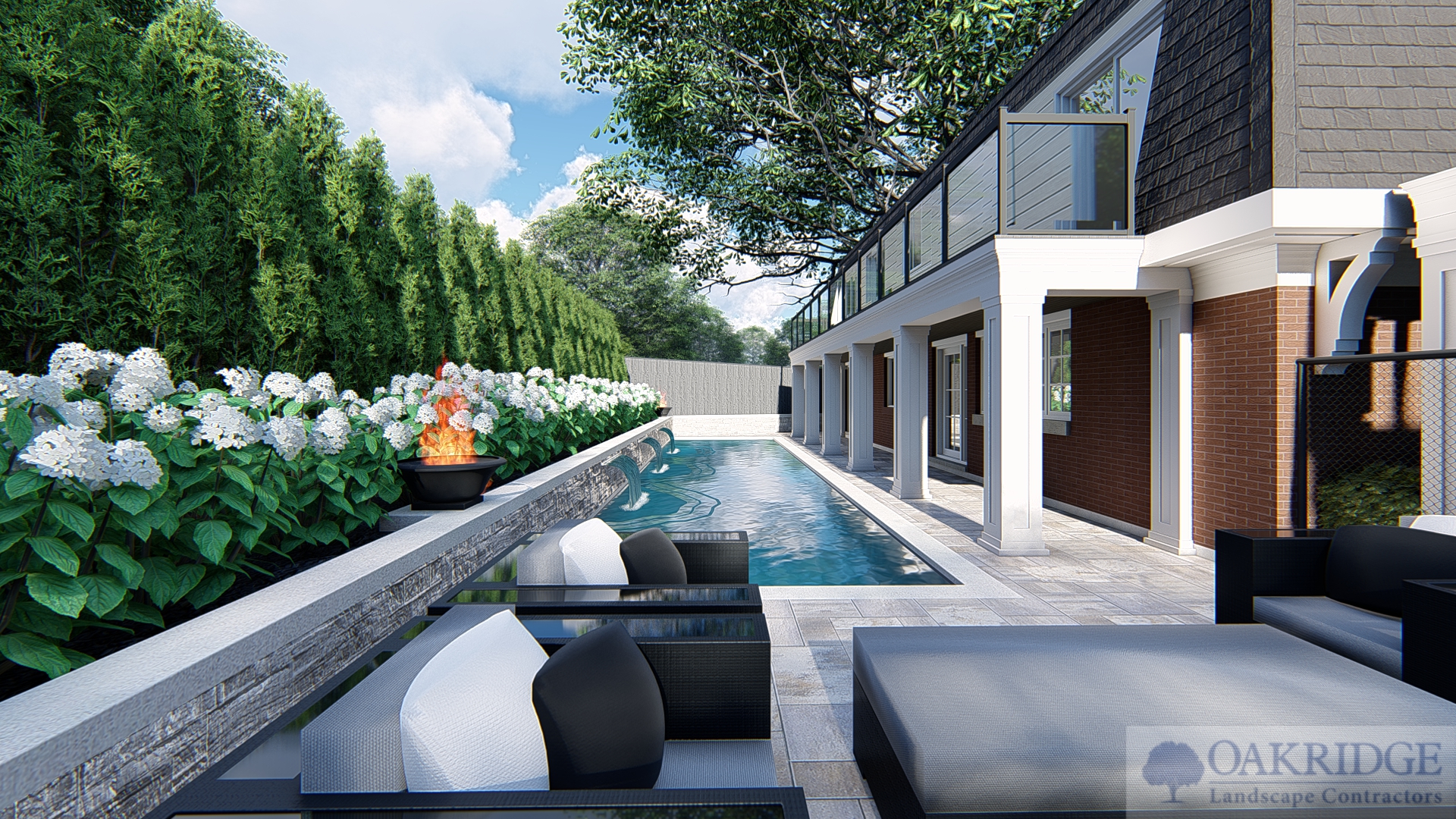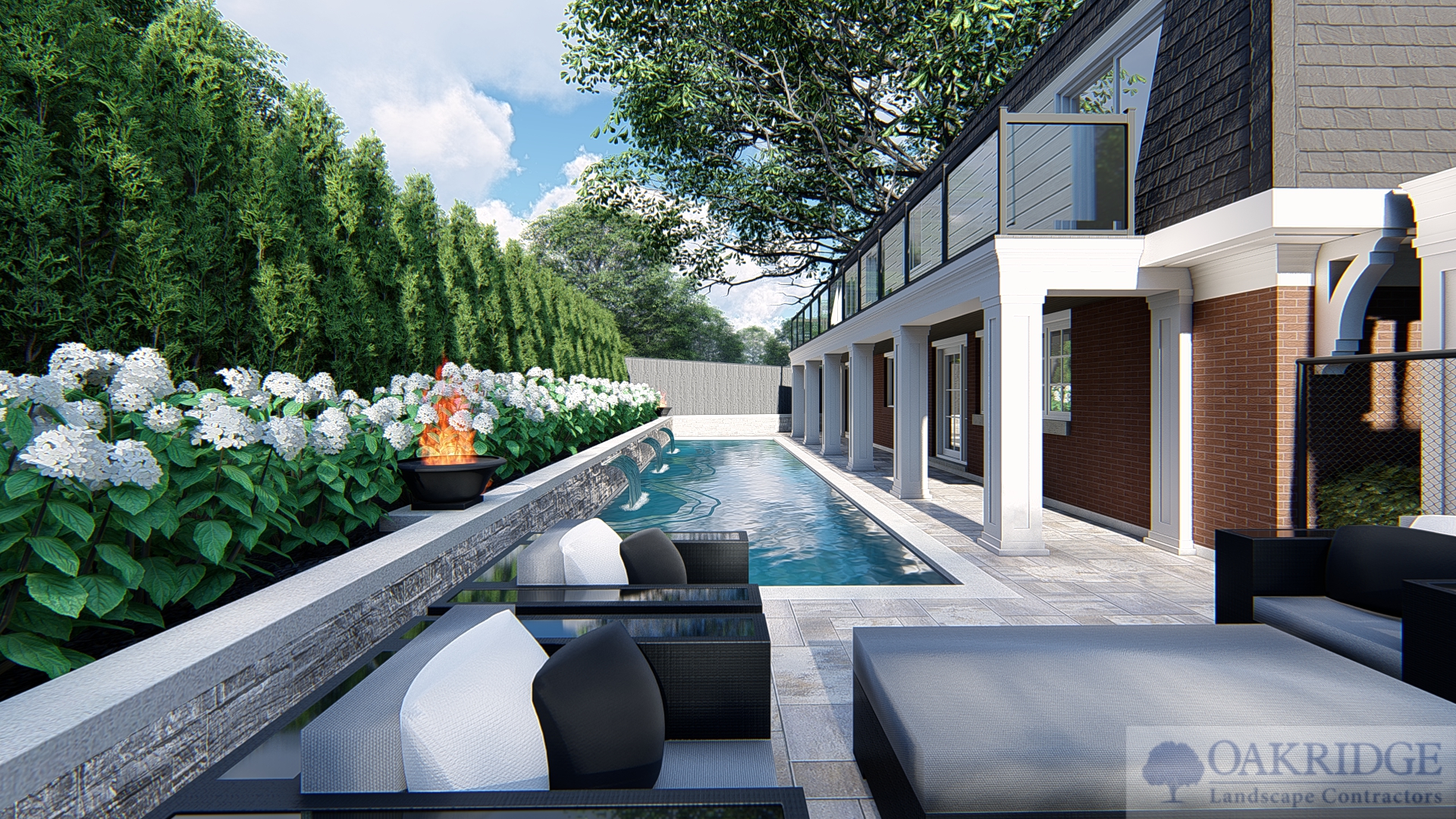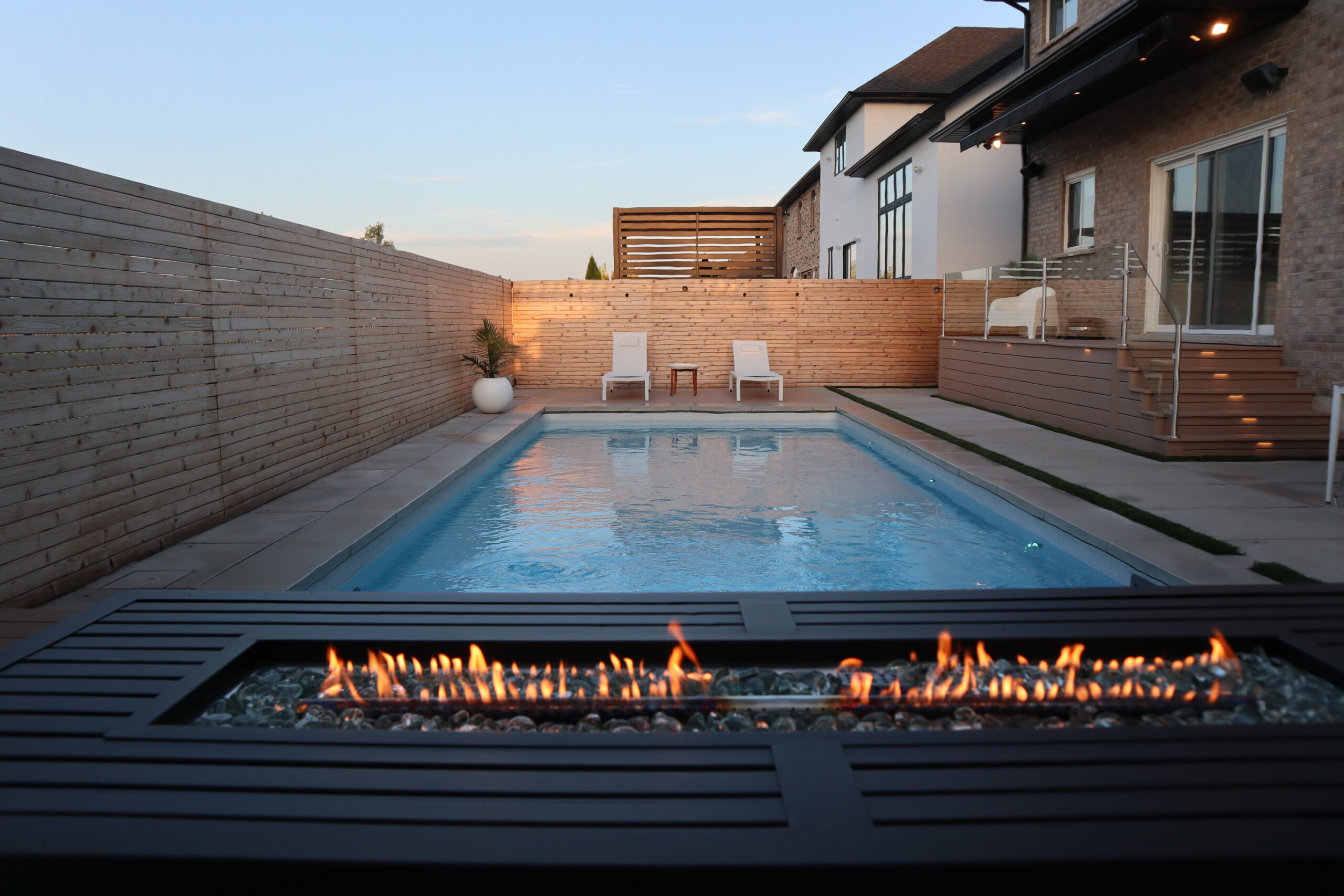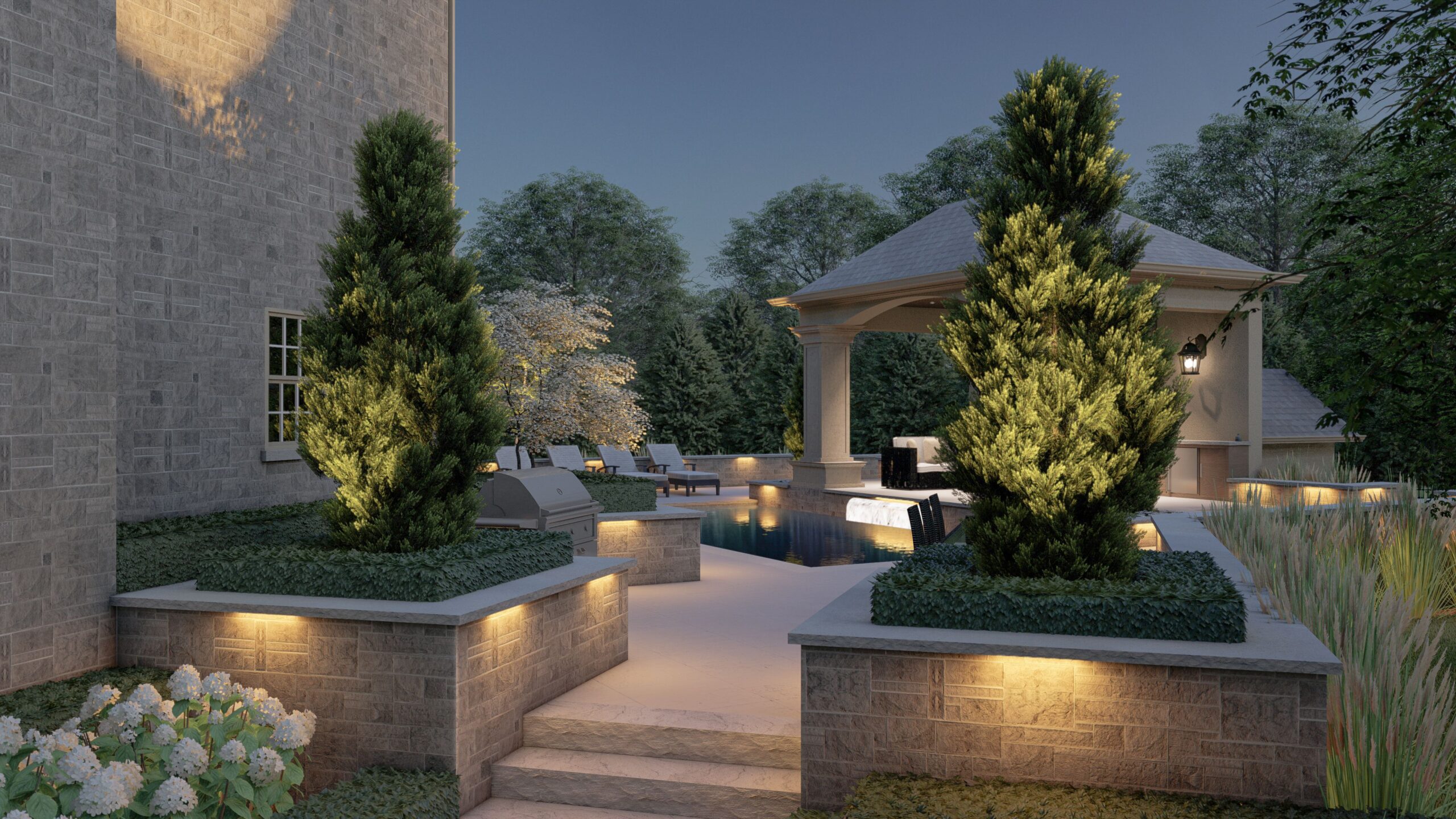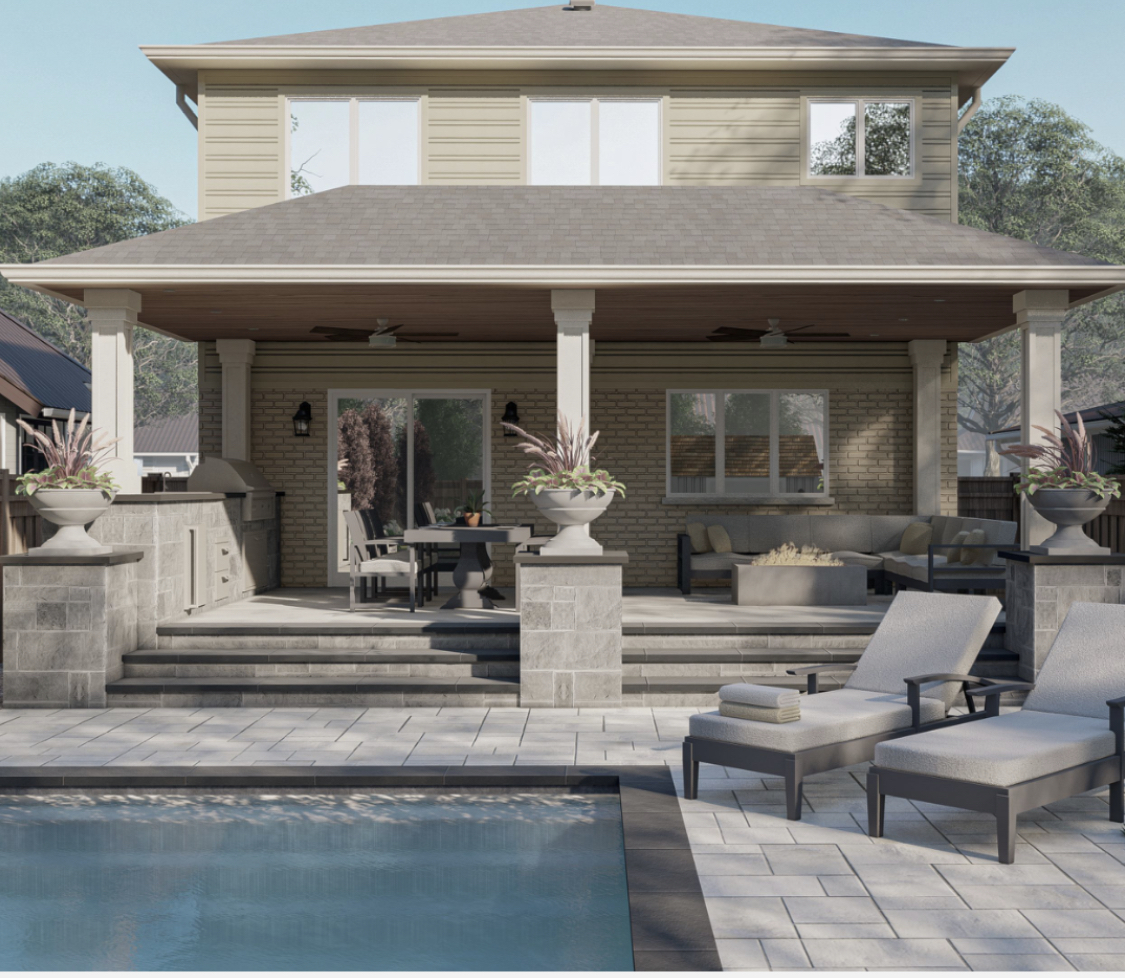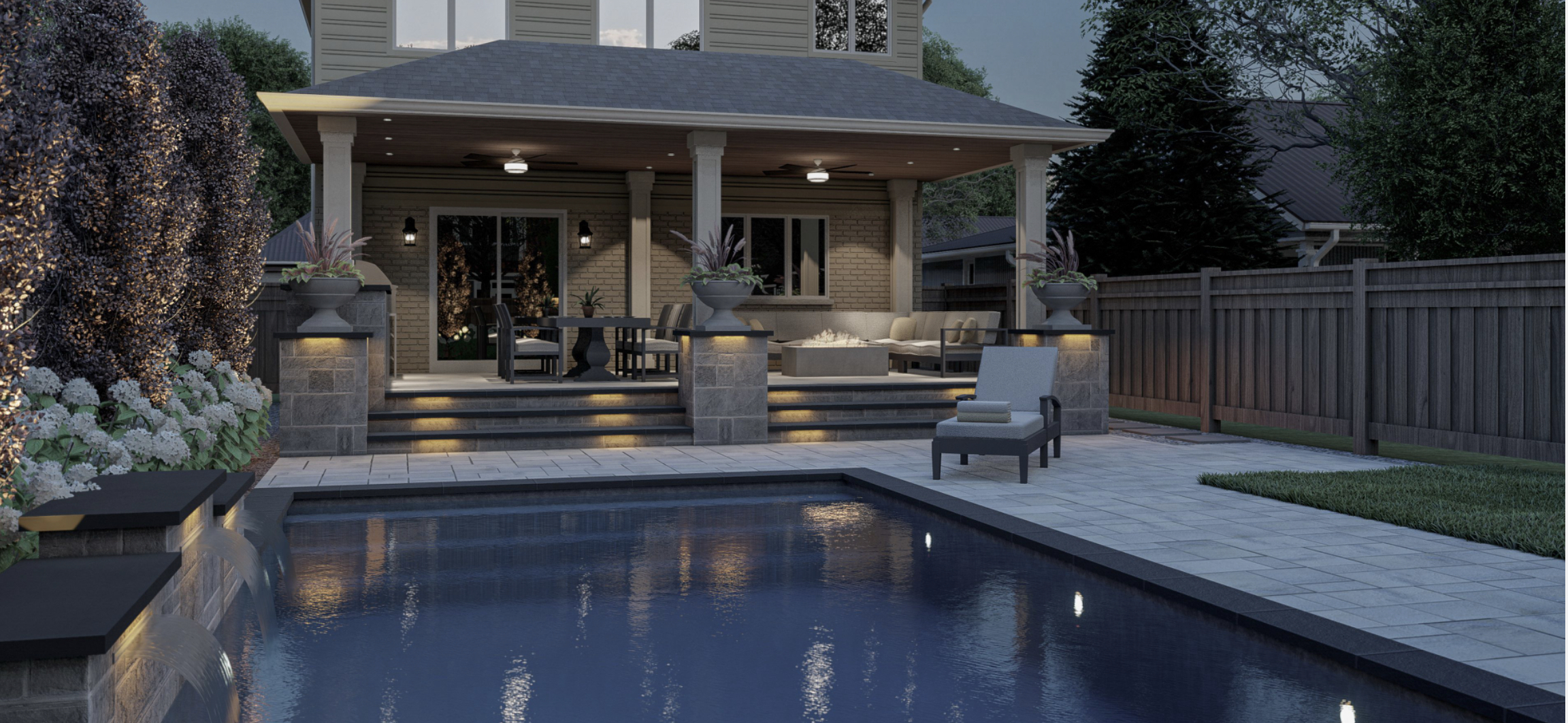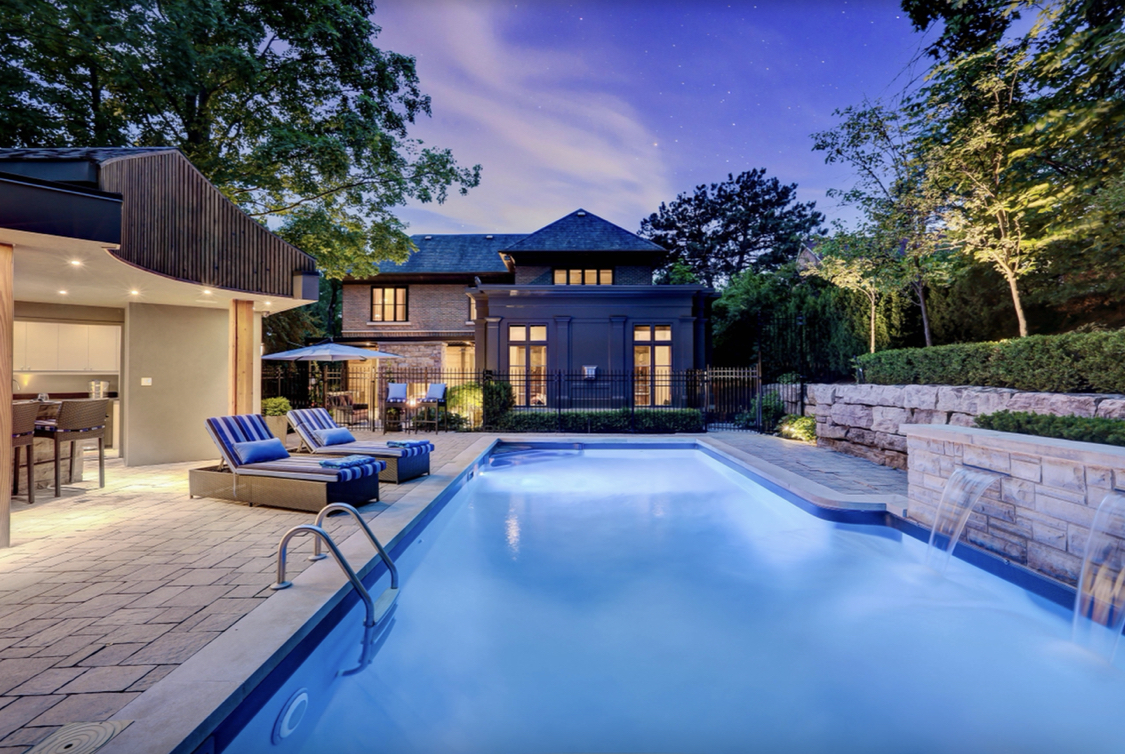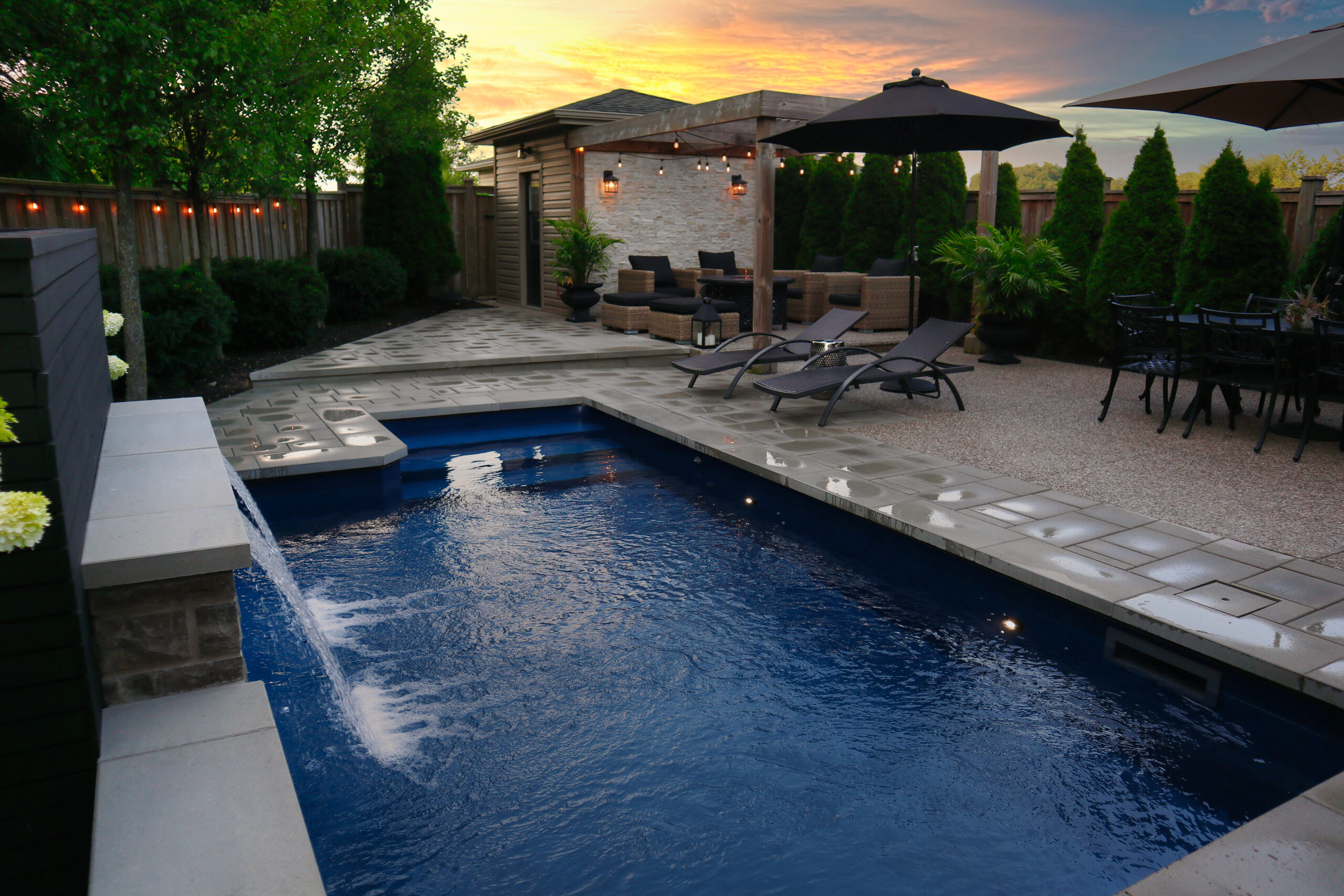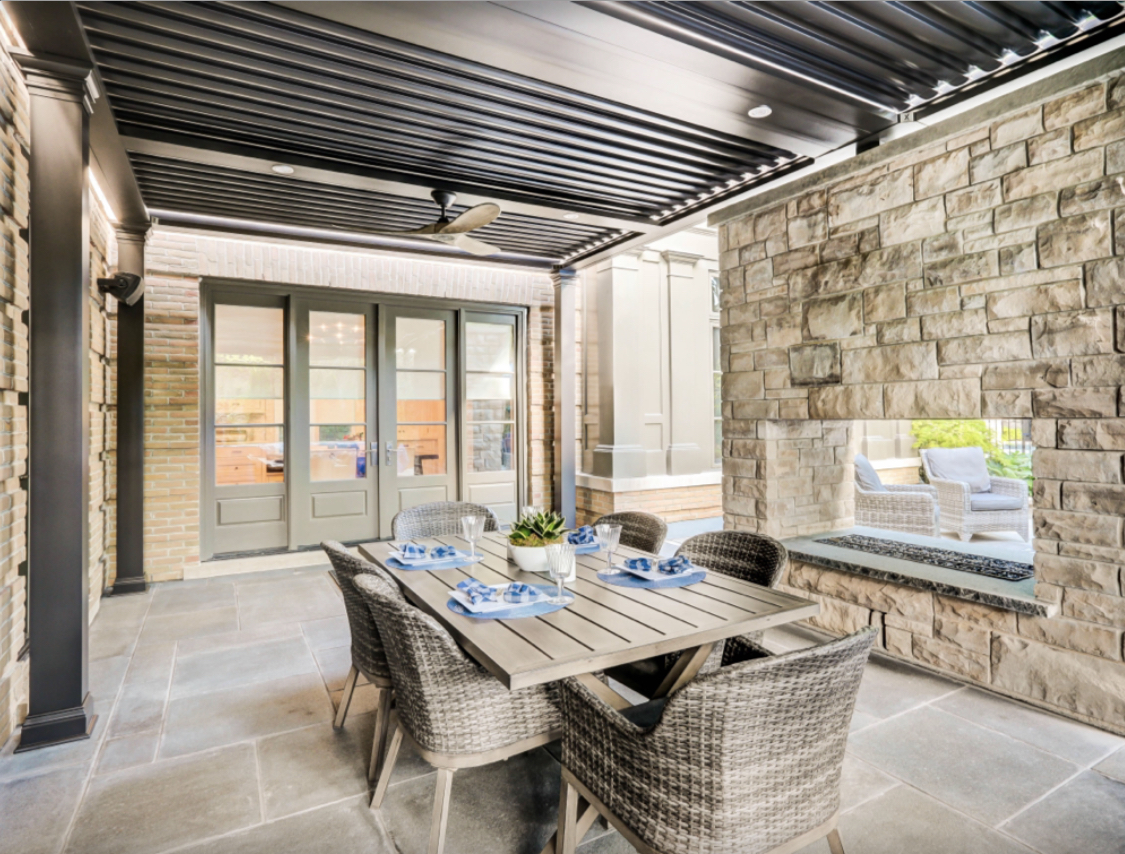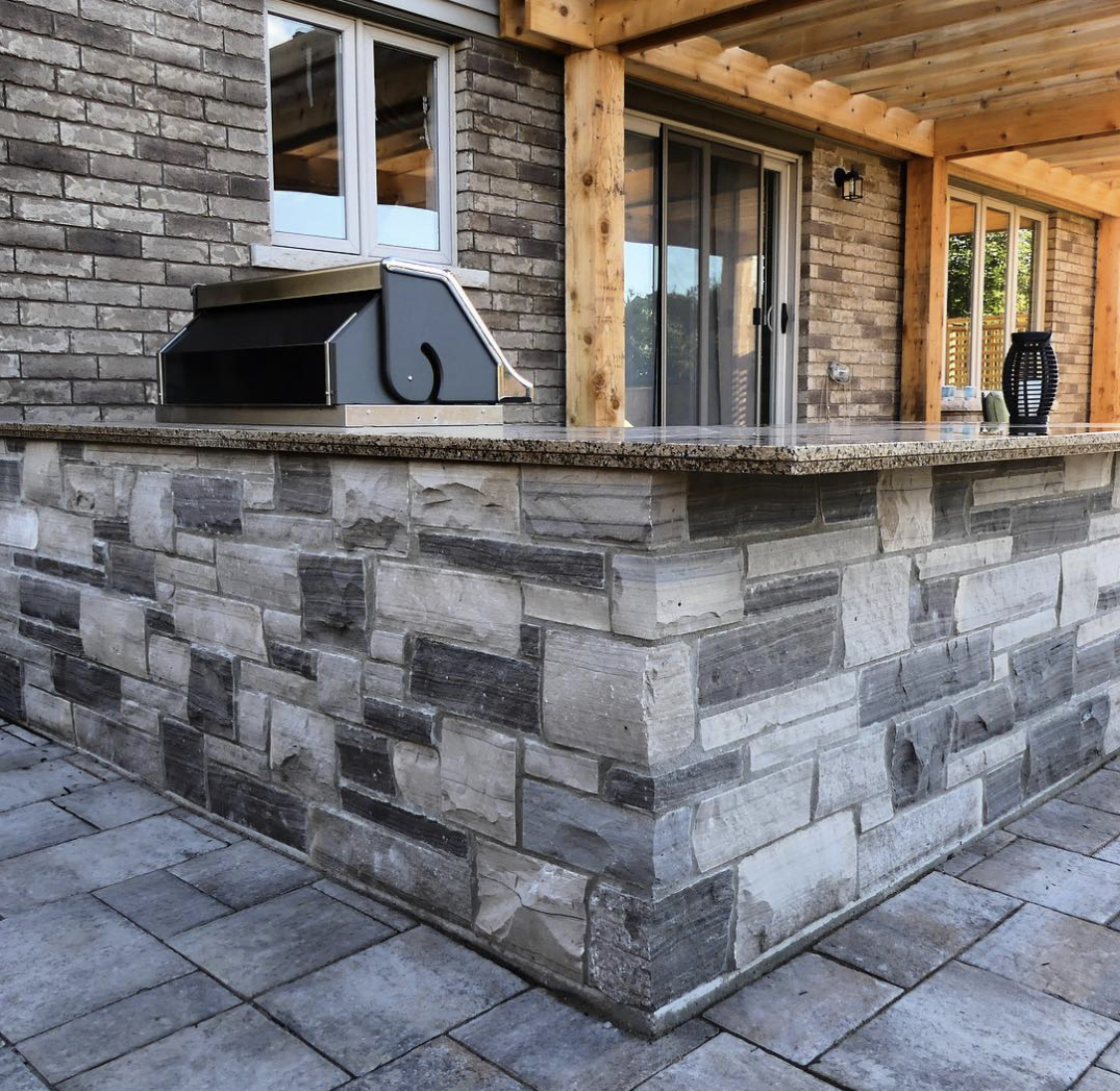
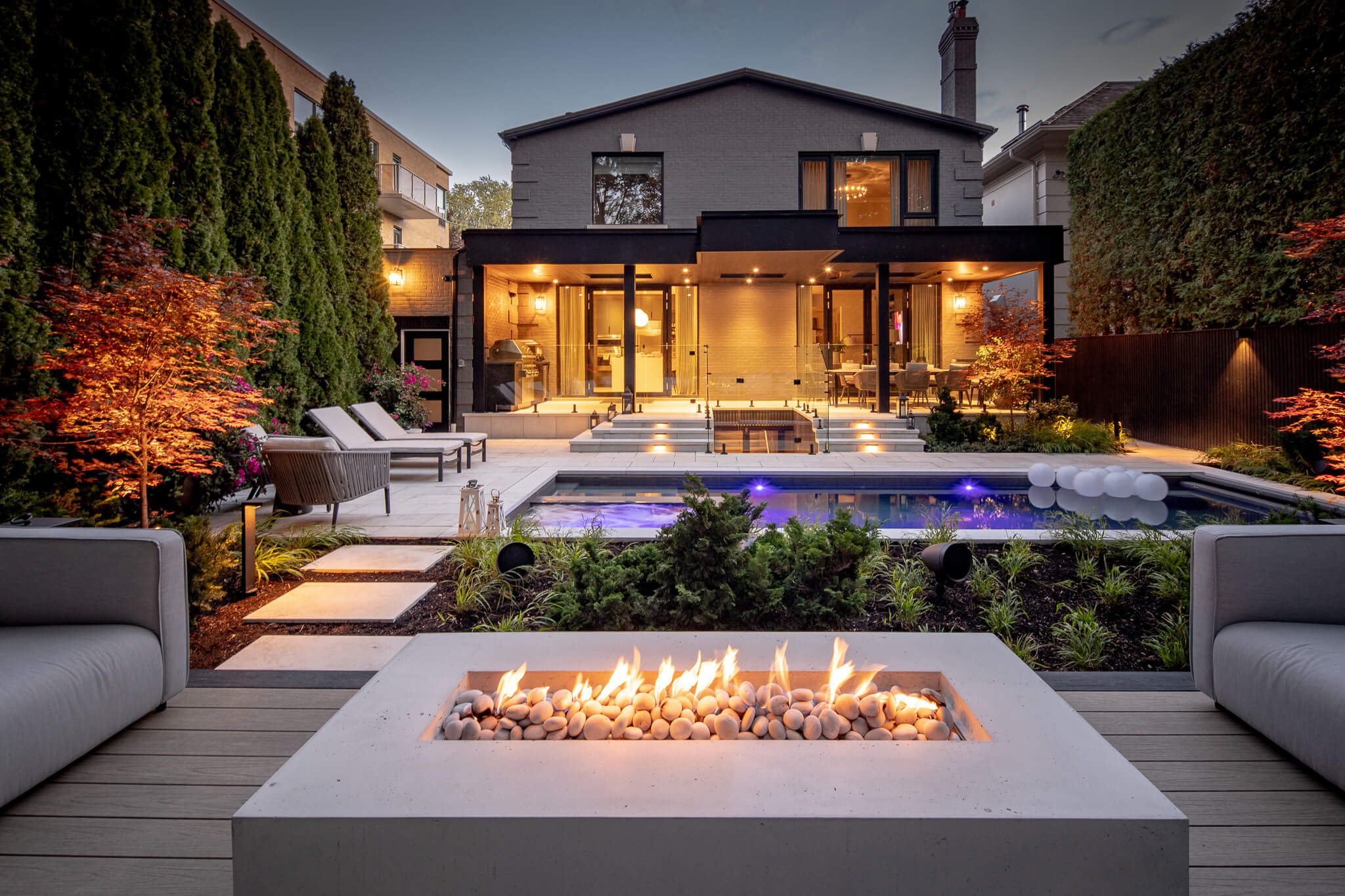
Outdoor fire features have become a popular addition in residential landscapes because they add warmth, structure, and a natural gathering point to the backyard. More than just a visual element, a fire feature changes how a space is used by extending evenings outdoors and creating a comfortable place to relax as temperatures cool.
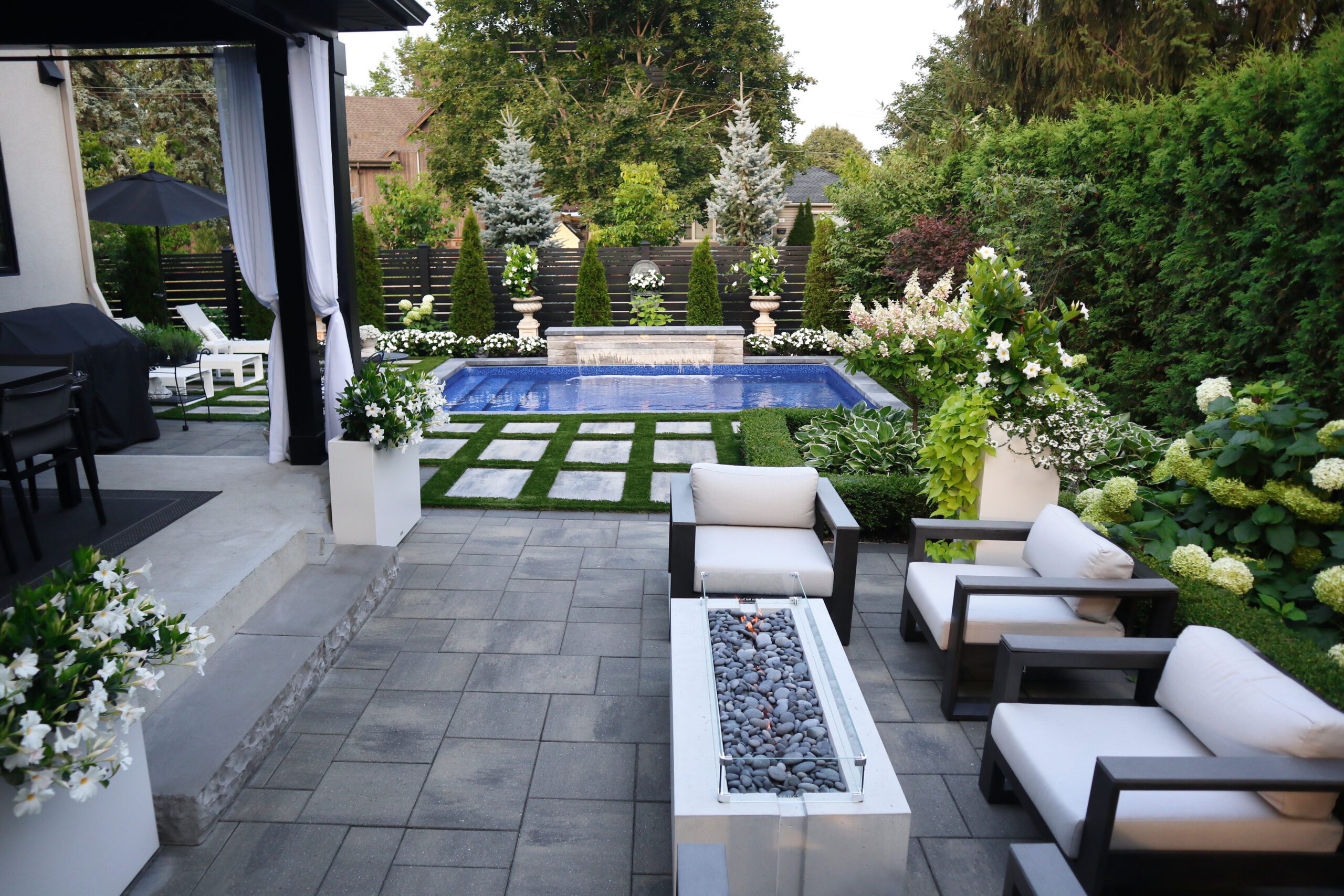
Whether installed as a standalone feature or incorporated into a larger outdoor living area, fireplaces and fire tables help anchor seating zones and bring focus to the overall layout of the space.
Natural Wood vs Gas Fire Features
One of the first decisions homeowners face is choosing between a natural wood-burning or gas fire feature. Each option has advantages, and the right choice depends on how the space will be used, local regulations, and personal preference.
Natural Wood-Burning Fireplaces
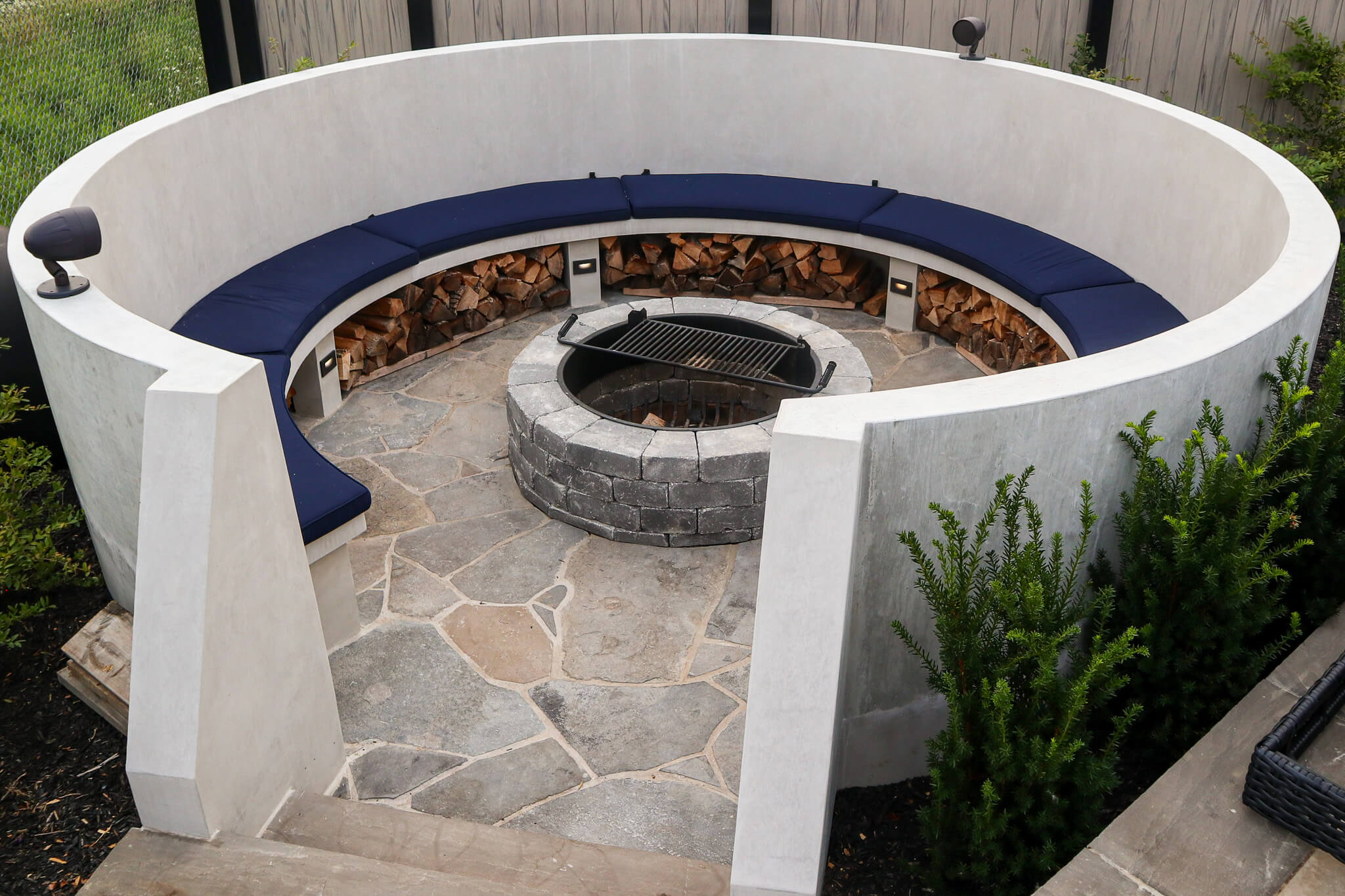
Wood-burning fireplaces offer a traditional experience. The sound, scent, and appearance of a real fire appeal to many homeowners and can feel more authentic in certain landscape settings.
However, wood-burning fireplaces are not always permitted. Many municipalities have restrictions or bylaws that limit or prohibit open burning, particularly in urban or suburban areas. Maintenance, smoke management, and storage of firewood are also important considerations.
Gas Fireplaces
Gas fireplaces are often the preferred option where bylaws restrict burning. They offer convenience, consistent heat, and easier operation. With the flip of a switch, the fire is on, making them ideal for regular use and shared spaces.
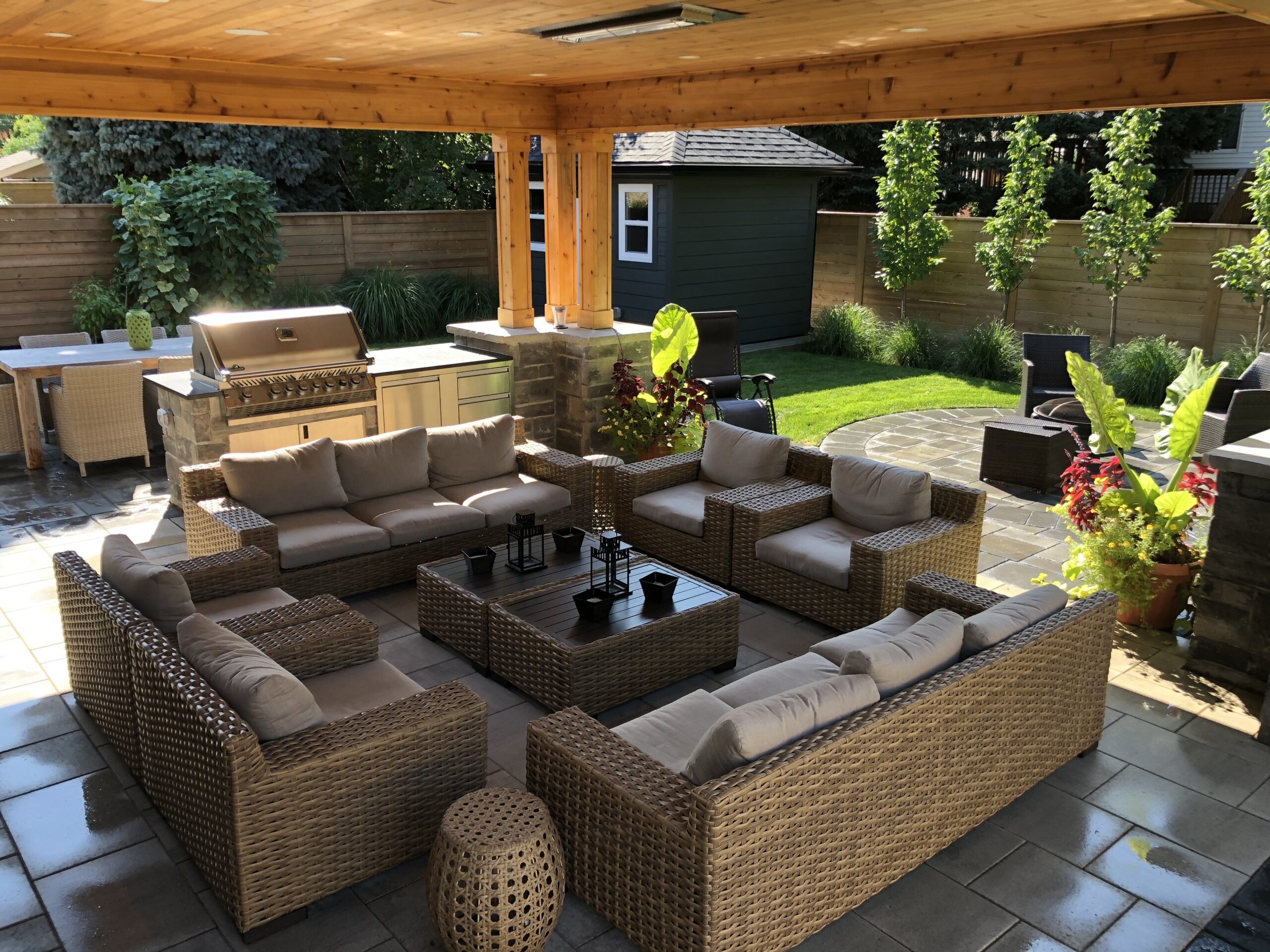
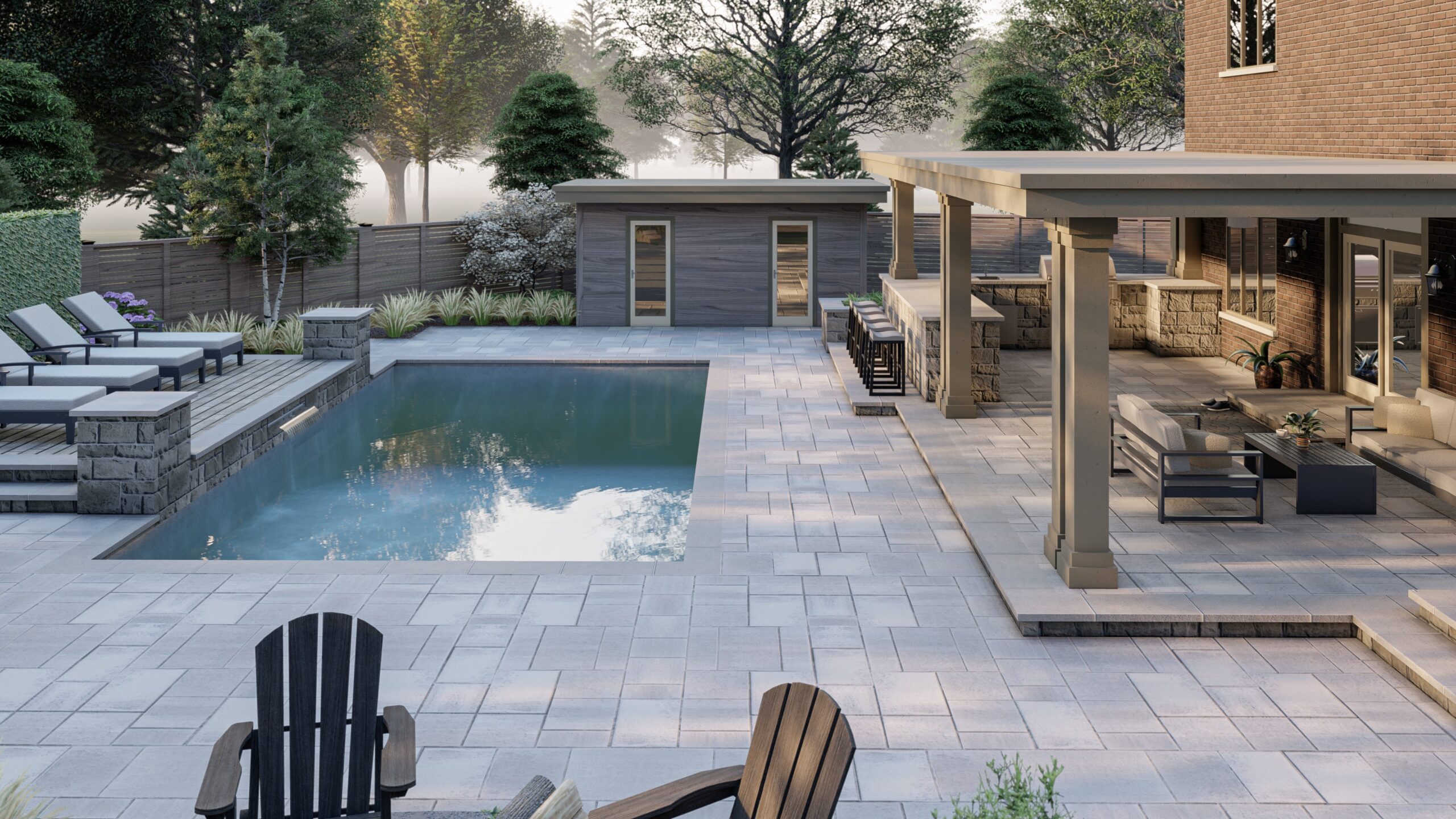
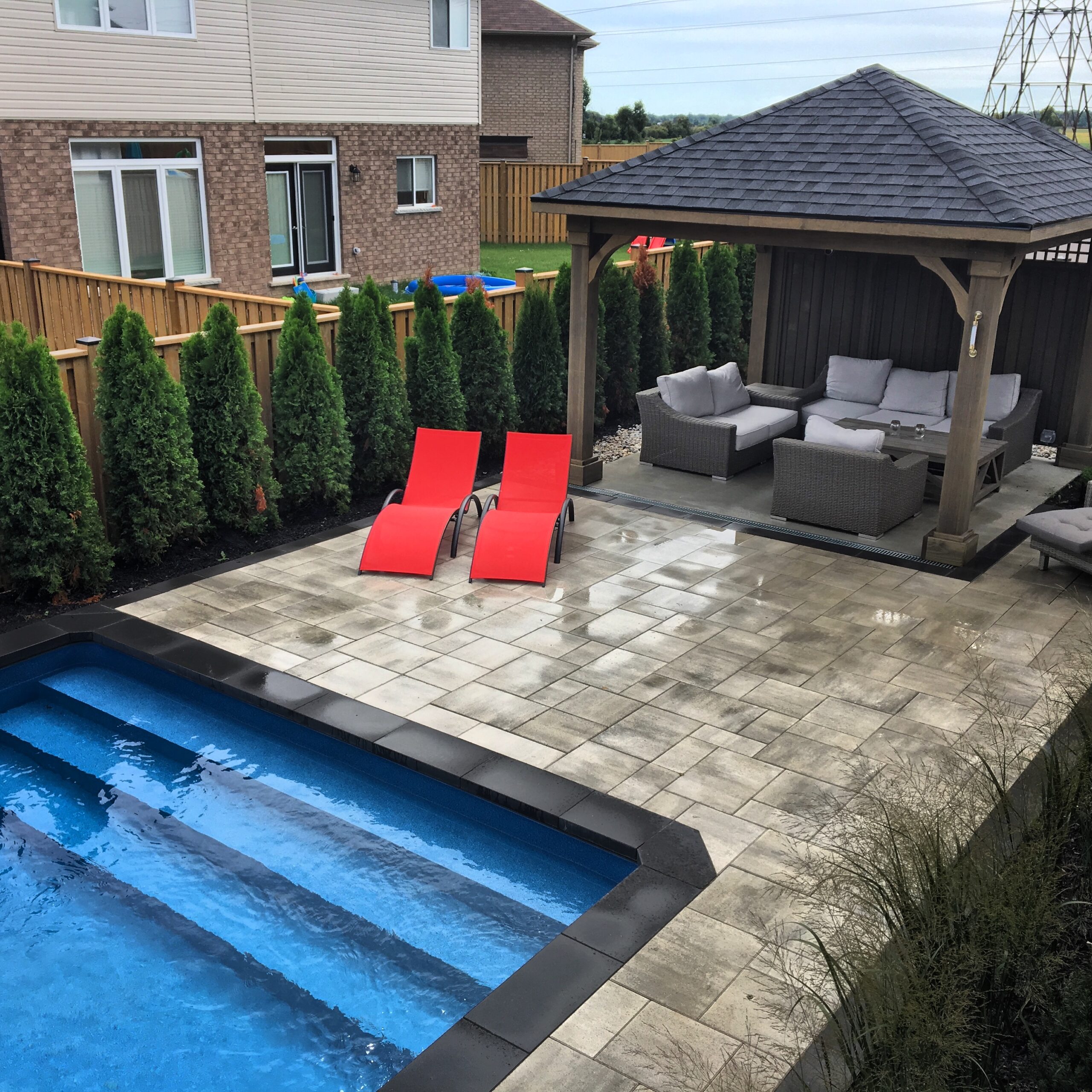
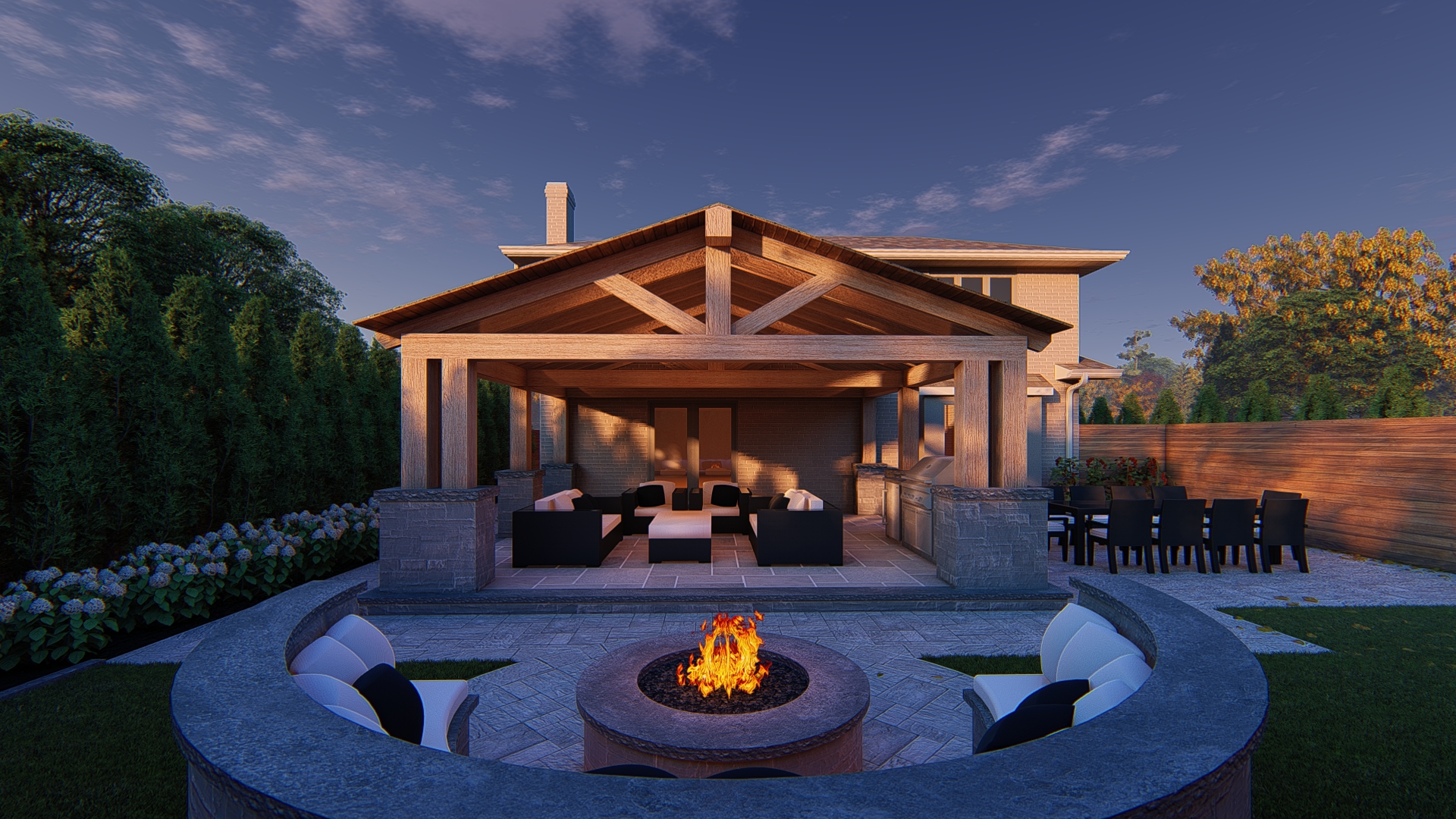
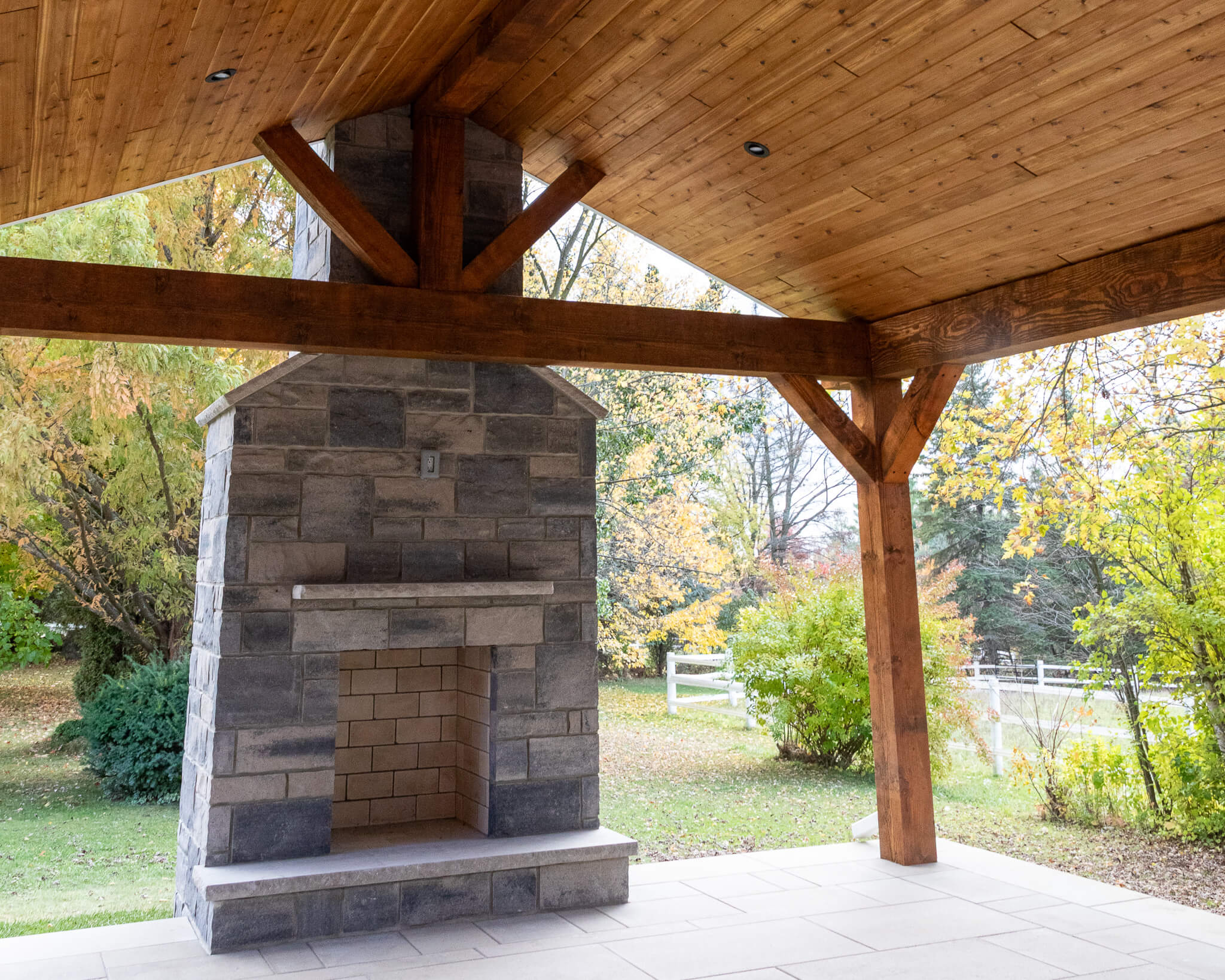
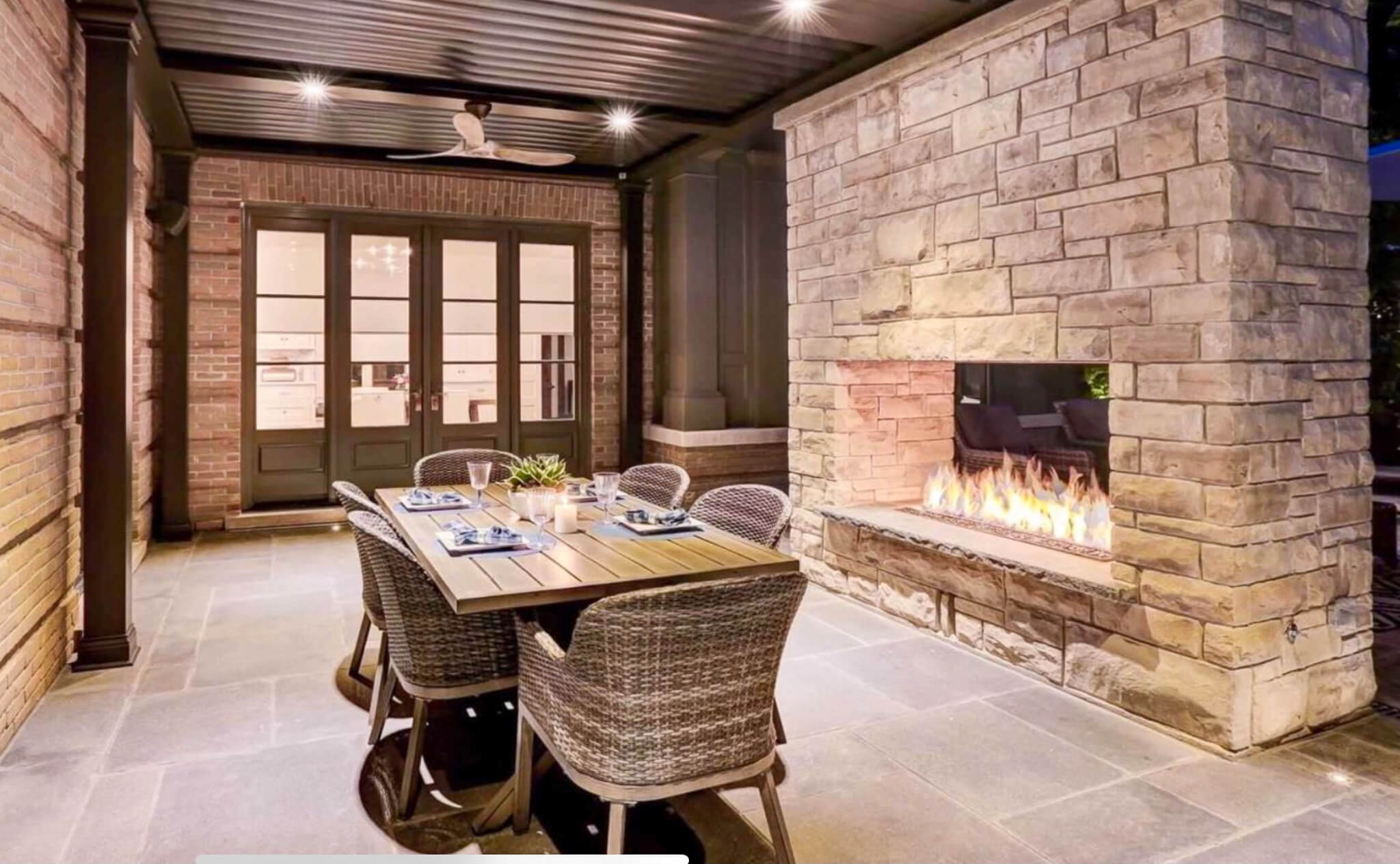
Gas fireplaces also allow for greater flexibility in placement, including integration under covered structures such as cabanas or pavilions. While they may lack some of the sensory elements of a wood fire, they provide reliability and cleaner operation.
Choosing the Right Option for Your Property
The best time to decide between natural and gas is during the planning phase. If your property is subject to no-burn bylaws or if you want minimal upkeep, gas is typically the better choice. If regulations allow and the fireplace will be used occasionally for ambiance, a wood-burning option may still be suitable.
Understanding how often the fireplace will be used and where it will be located helps guide this decision early and avoids costly changes later.
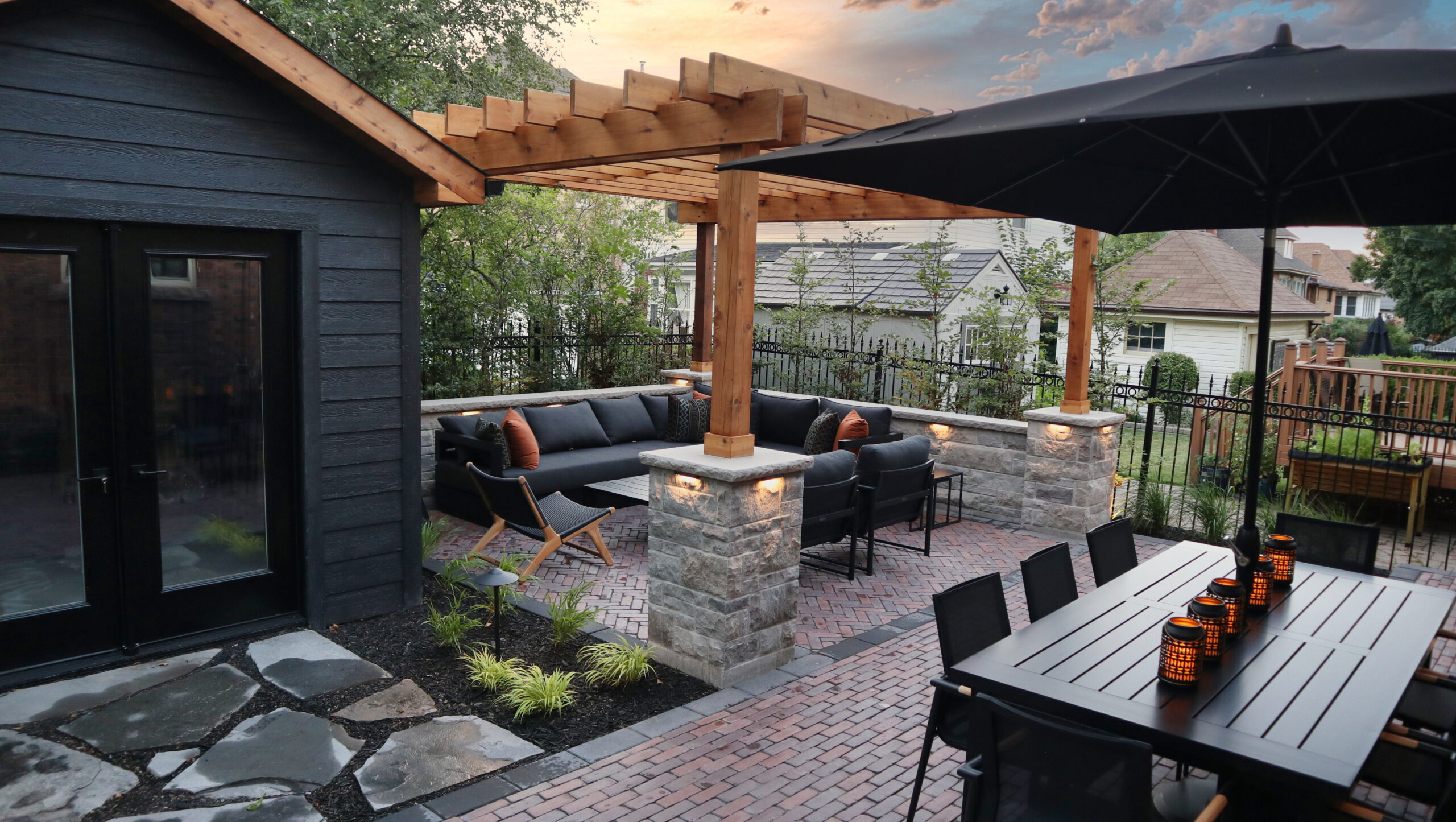
Fireplaces Under Cabanas and Covered Spaces
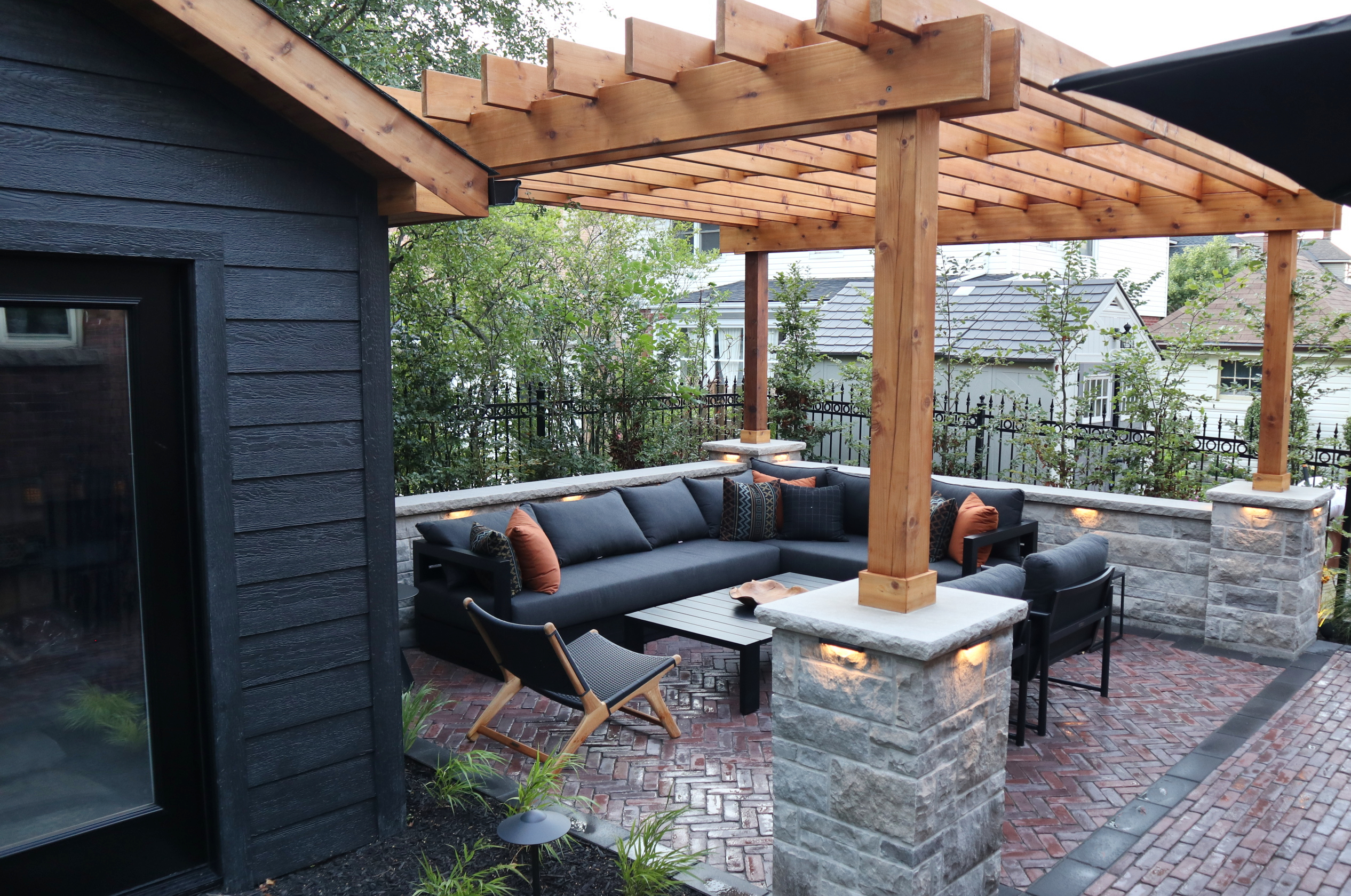
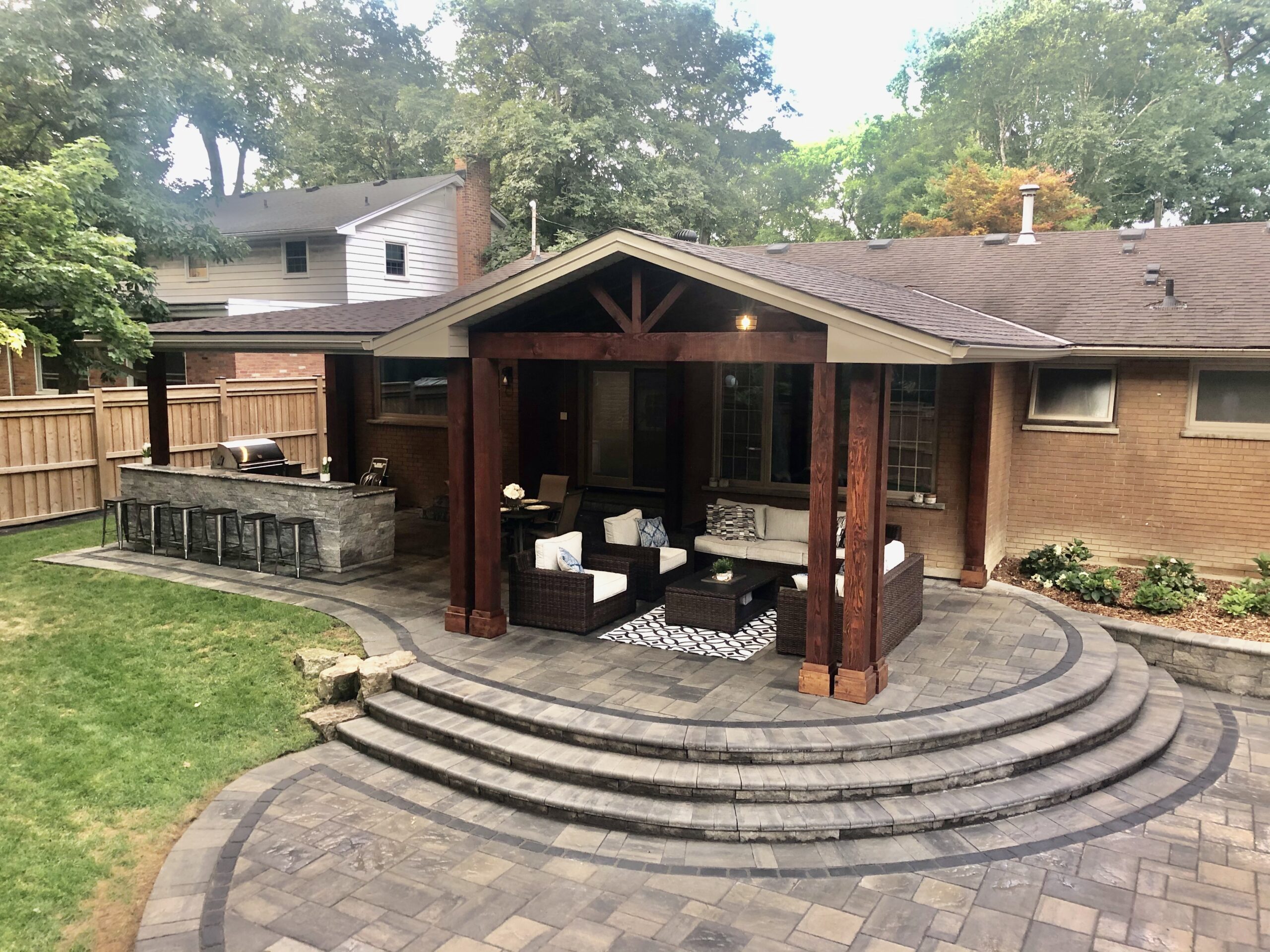
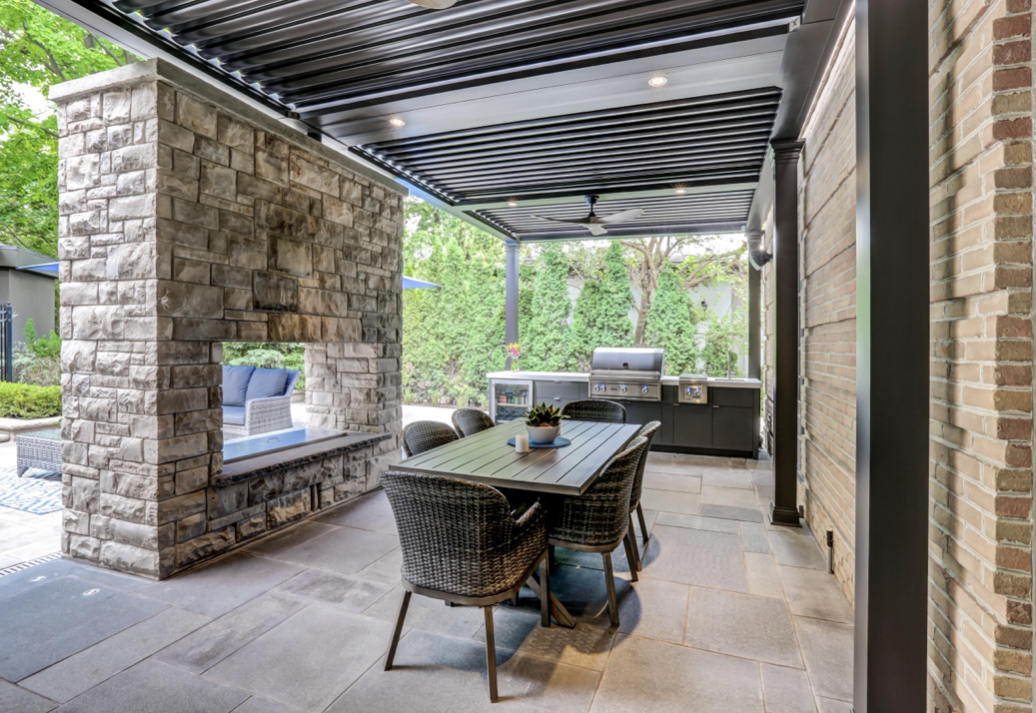
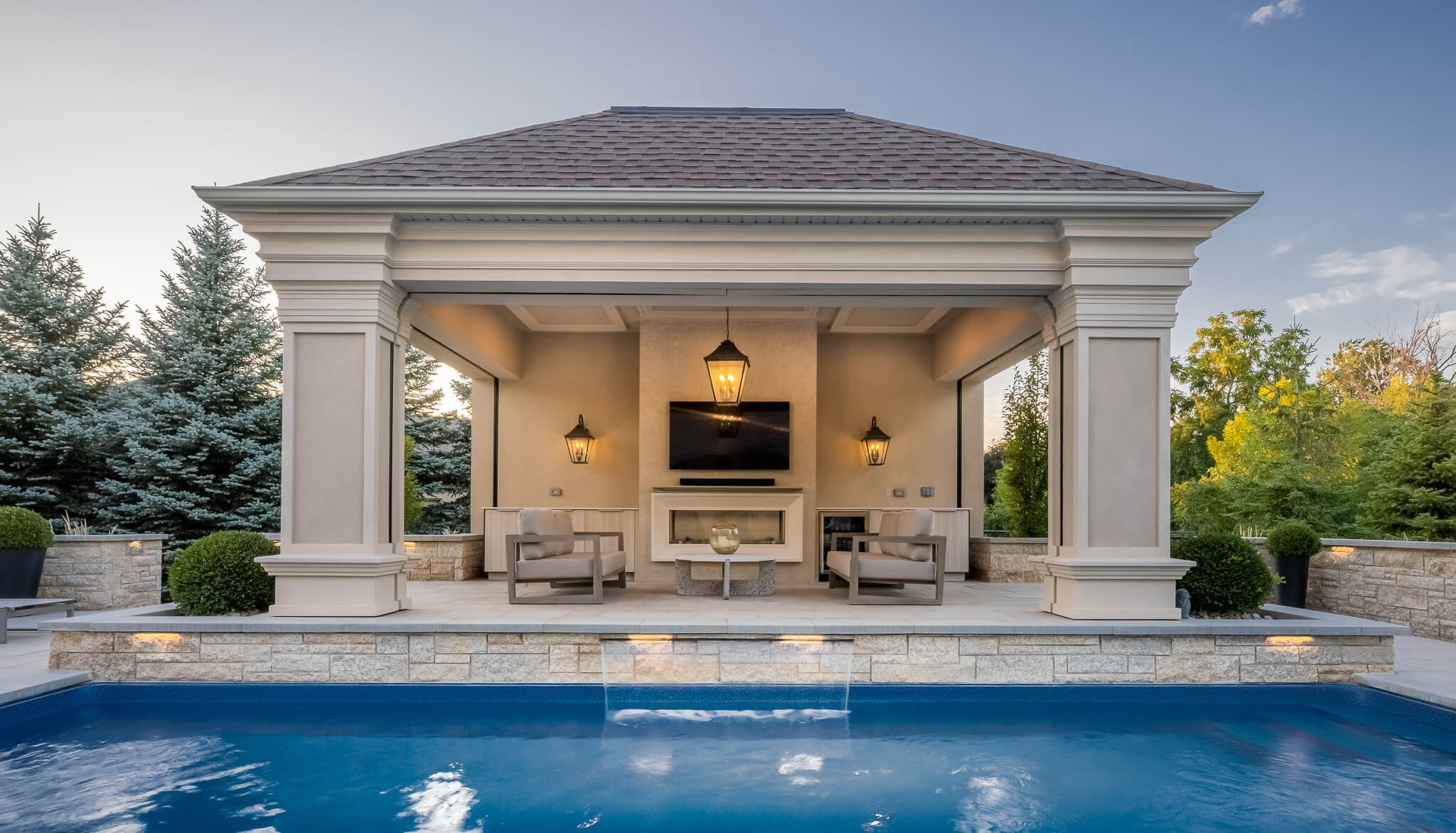
Outdoor fireplaces can be successfully incorporated under cabanas and covered structures when properly designed. Gas fireplaces are especially well suited for these areas due to ventilation control and safety considerations.
When installed under a structure, the fireplace becomes a central feature that supports year-round or extended seasonal use. Proper clearances, materials, and ventilation planning are essential to ensure the space remains safe and comfortable.
How Fireplaces Enhance Outdoor Spaces
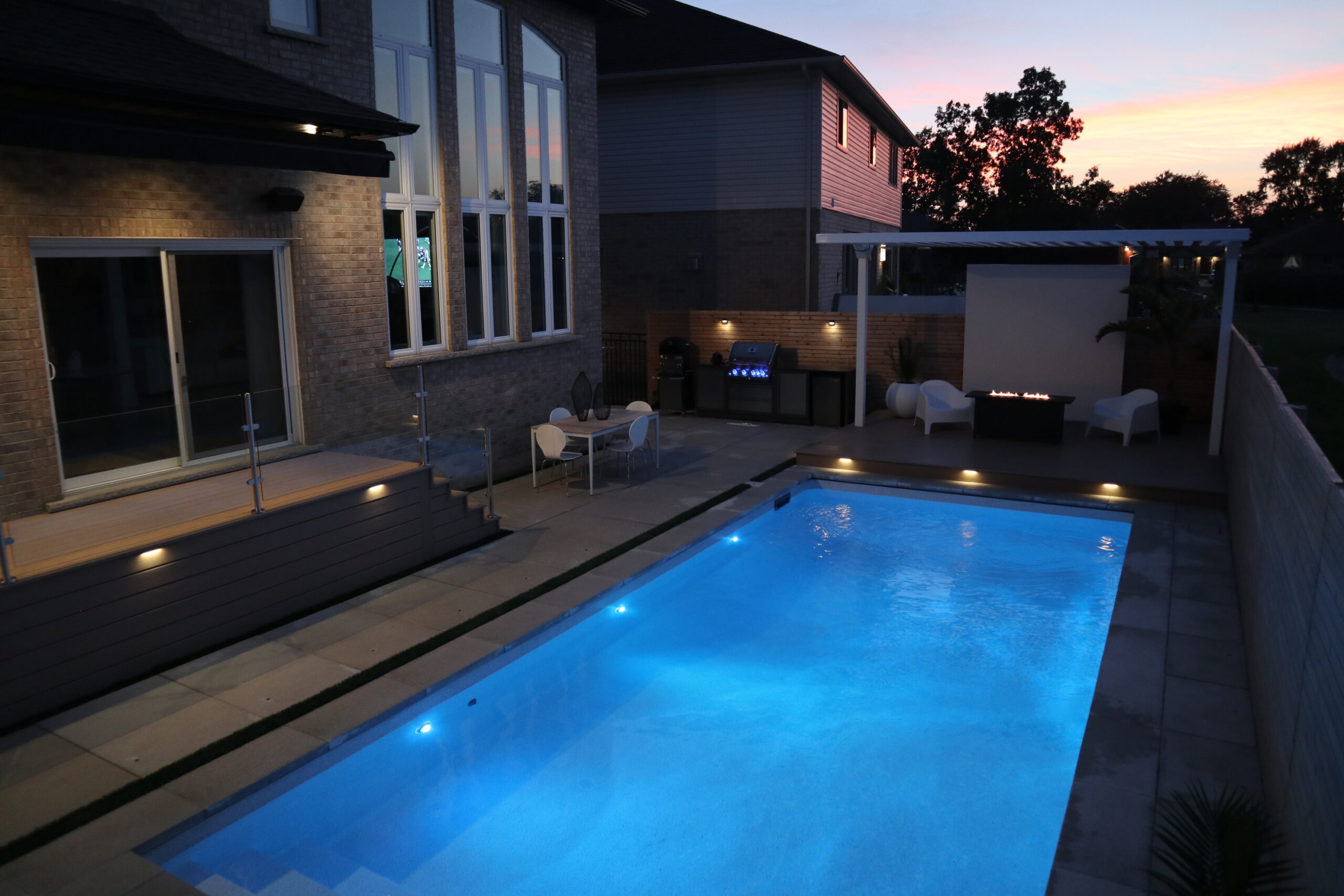
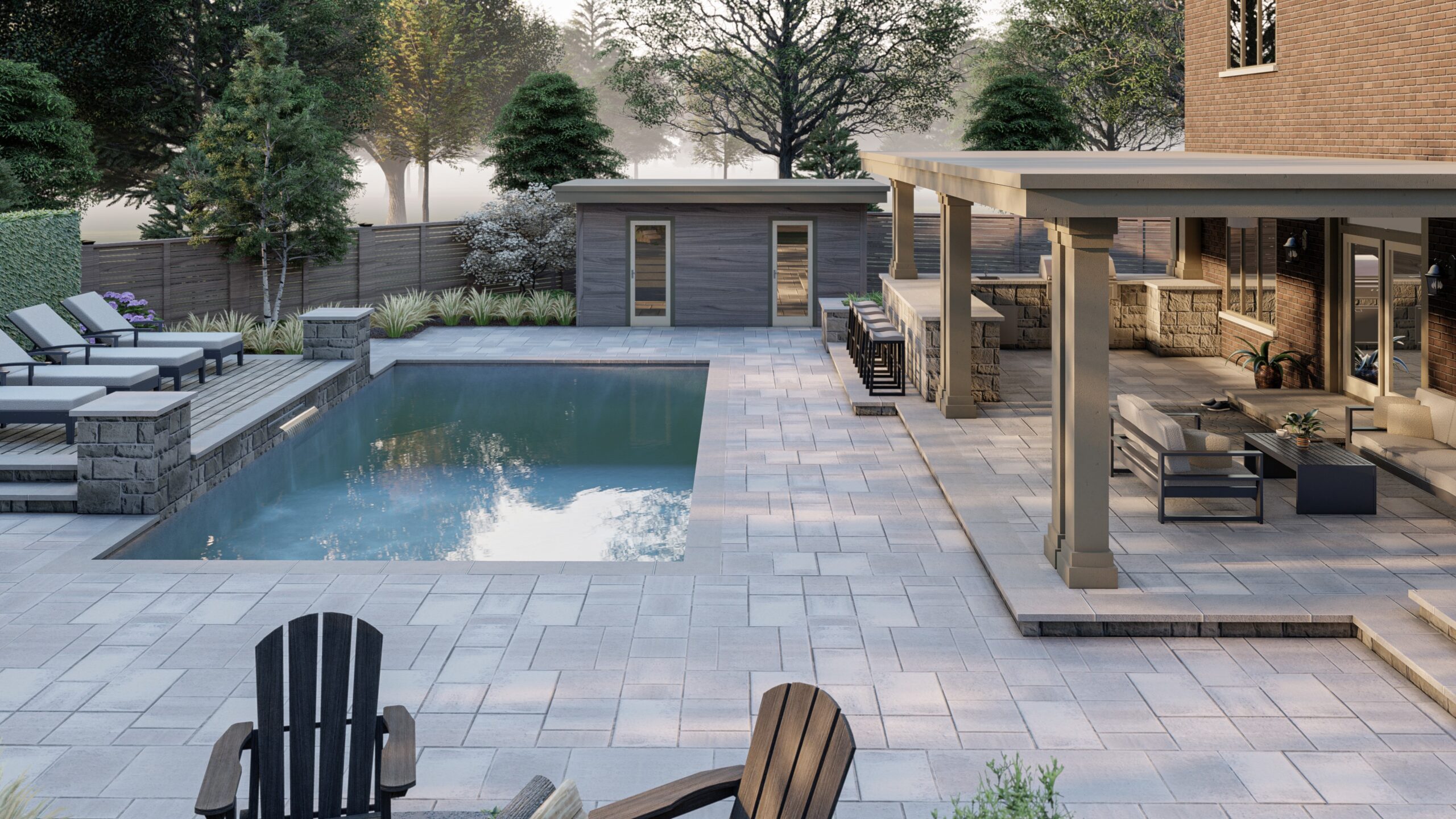
Fireplaces naturally draw people together. They provide warmth, visual interest, and a sense of enclosure that helps define seating areas. In larger landscapes, fireplaces can act as a focal point that balances other features such as pools, outdoor kitchens, or dining areas.
They also help extend the usable season, allowing homeowners to enjoy their outdoor spaces earlier in the spring and later into the fall.
Pros and Cons of Outdoor Fireplaces
Benefits
- Creates a strong focal point in the landscape
- Extends outdoor use into cooler weather
- Encourages gathering and social interaction
- Can be integrated into cabanas and covered areas
- Adds structure and purpose to seating zones
Considerations
- Wood-burning options may be restricted by local bylaws
- Gas fireplaces require utility planning and permits
- Ongoing maintenance depends on the chosen fuel type
- Design and placement must account for safety and ventilation
When Is a Good Time to Plan an Outdoor Fireplace?
Outdoor fireplace projects benefit from early planning. Utility coordination, permitting, and design integration with patios or structures all take time. Planning ahead allows the fireplace to be incorporated naturally into the broader landscape design rather than added as an afterthought.
Starting the process early also ensures the feature is ready to be enjoyed when outdoor season arrives.
How We Support Your Project
Our team approaches outdoor fireplaces with a focus on function, safety, and integration. We help guide decisions around fuel type, placement, materials, and code requirements to ensure the fireplace fits the space and how it will be used.
Whether part of a new landscape build or an addition to an existing space, we ensure the fireplace feels intentional and well integrated.
Ready to Get Started?
If you are considering an outdoor fireplace for your backyard, we would be happy to help you explore options and planning considerations. Reach out to book a consult and start shaping a space that brings warmth and purpose to your outdoor living area.