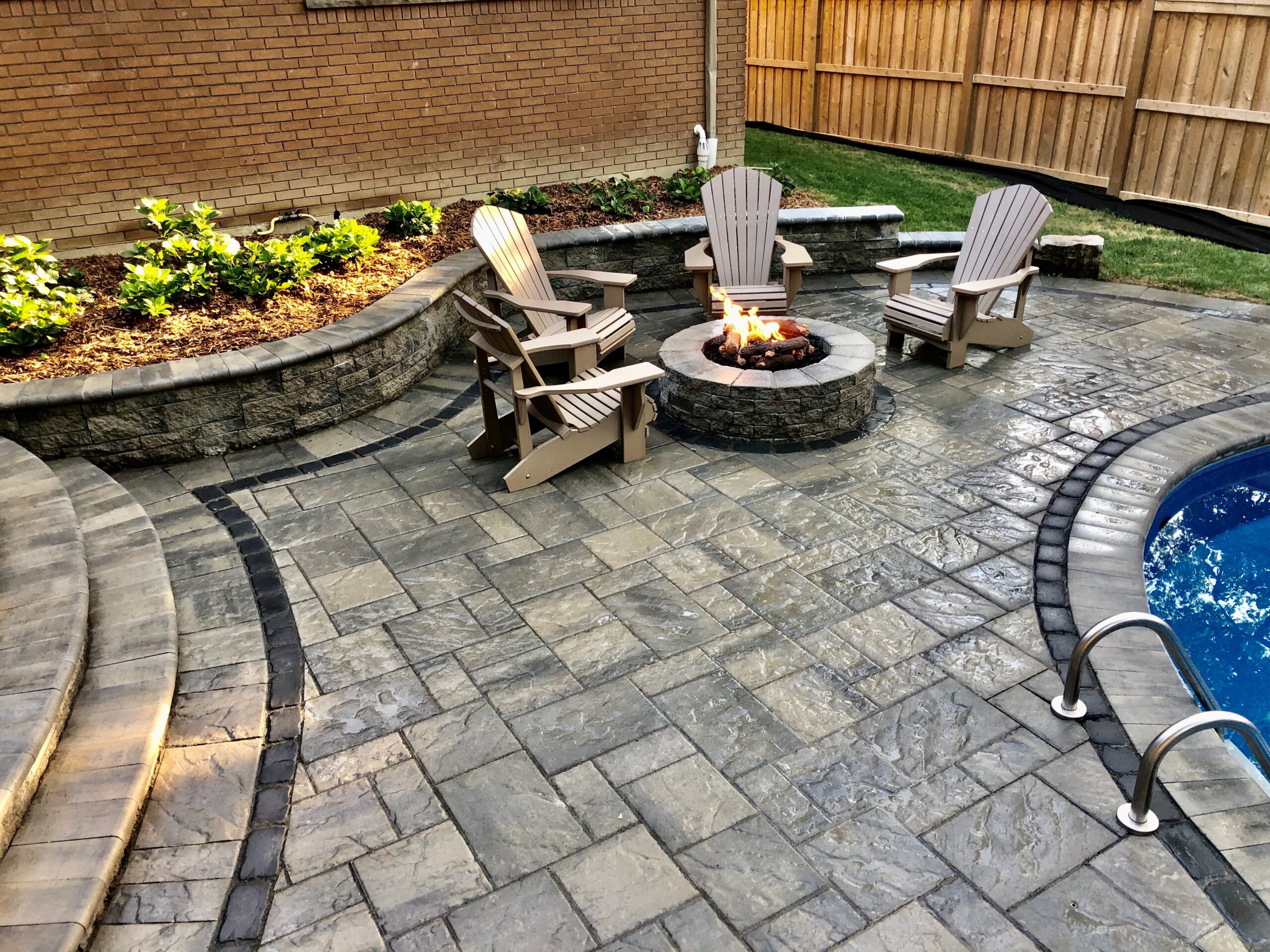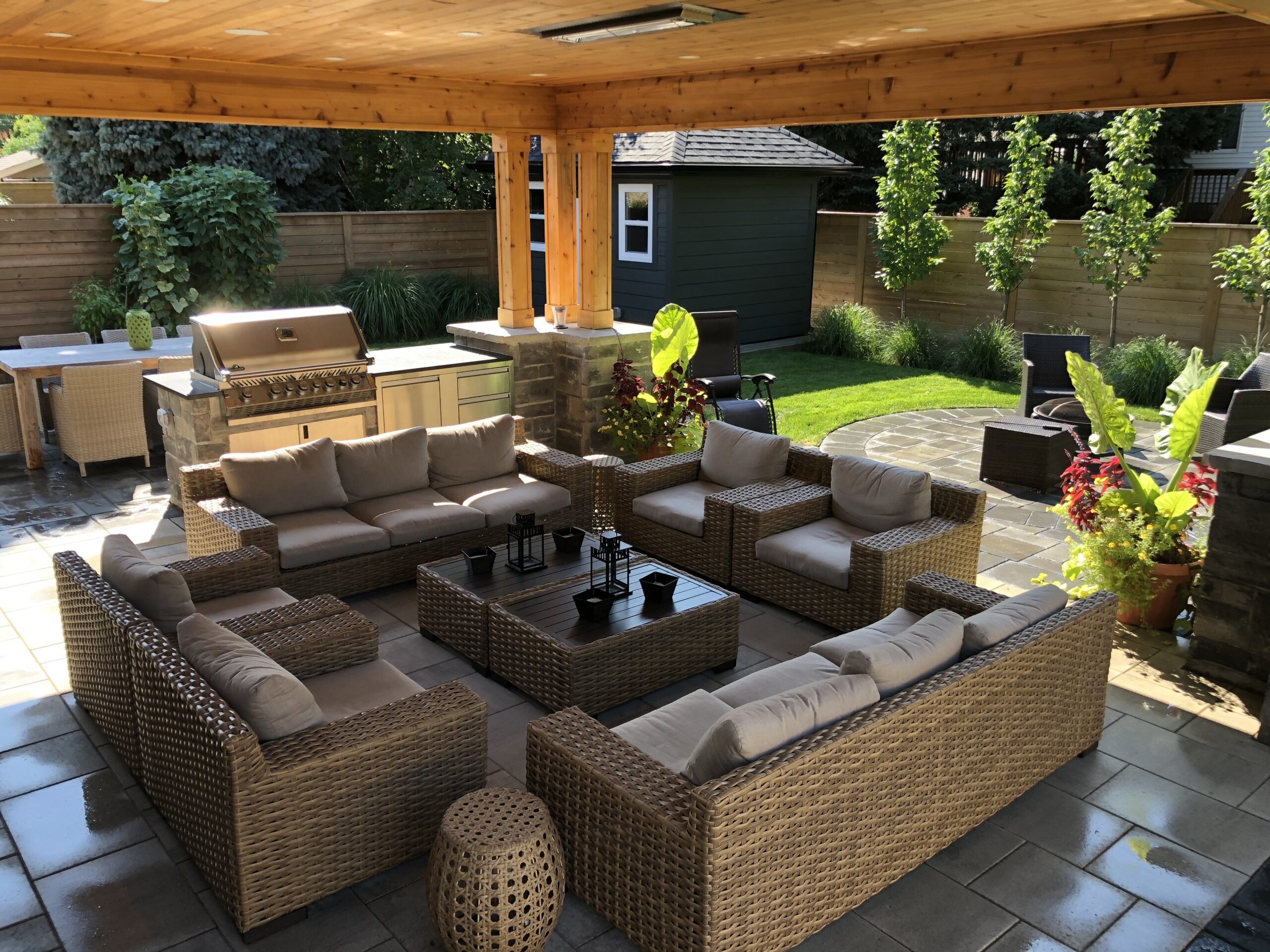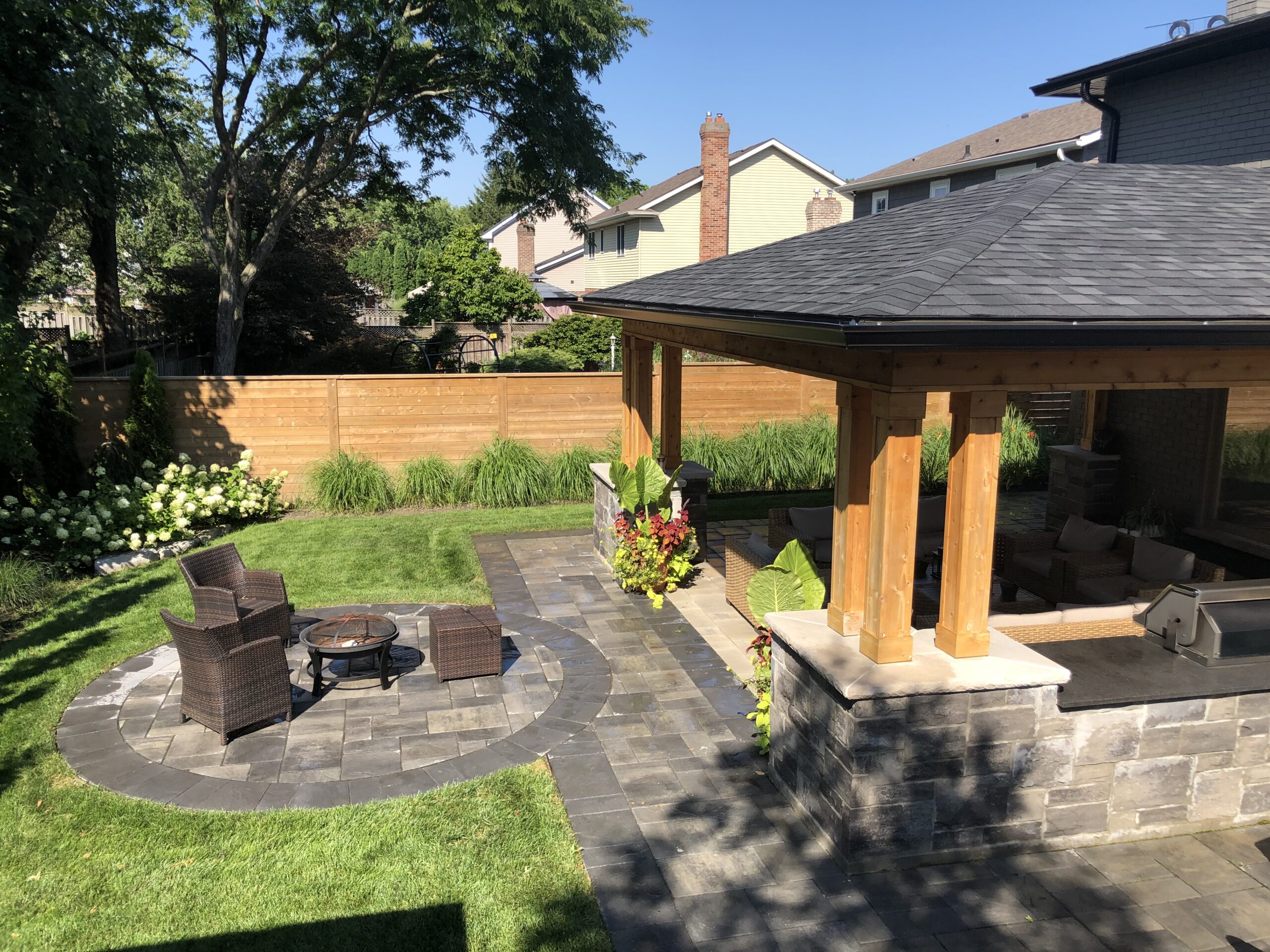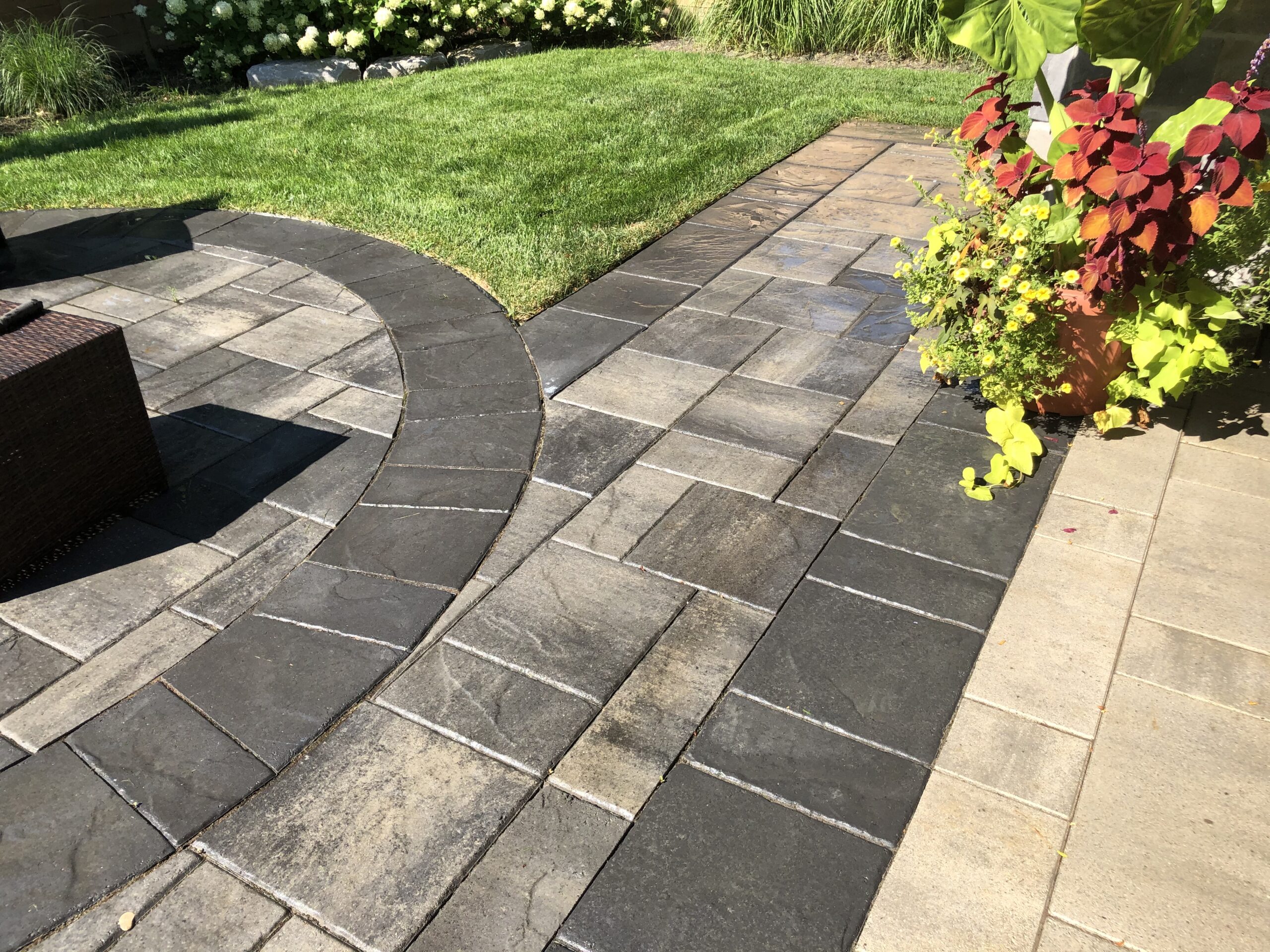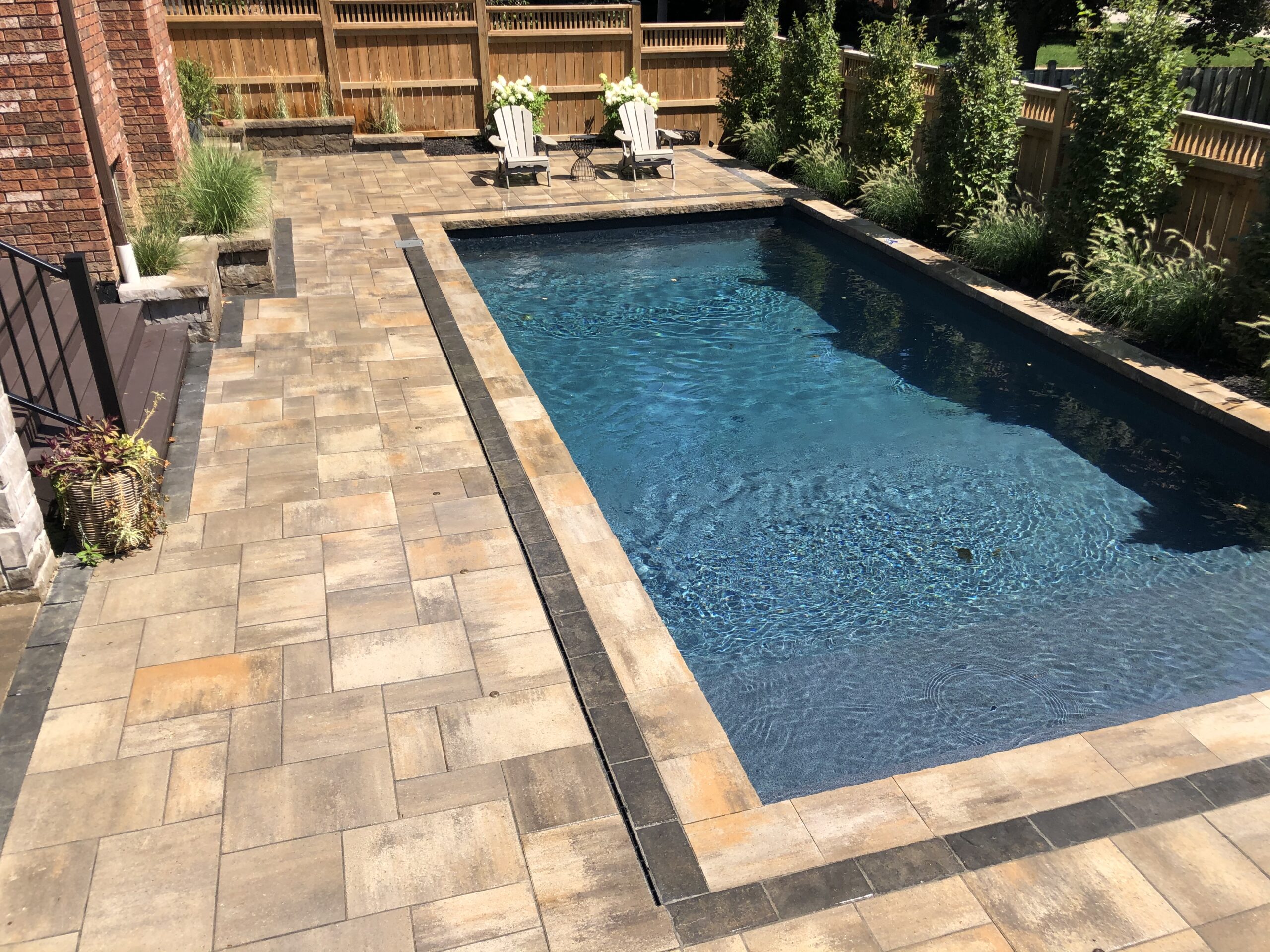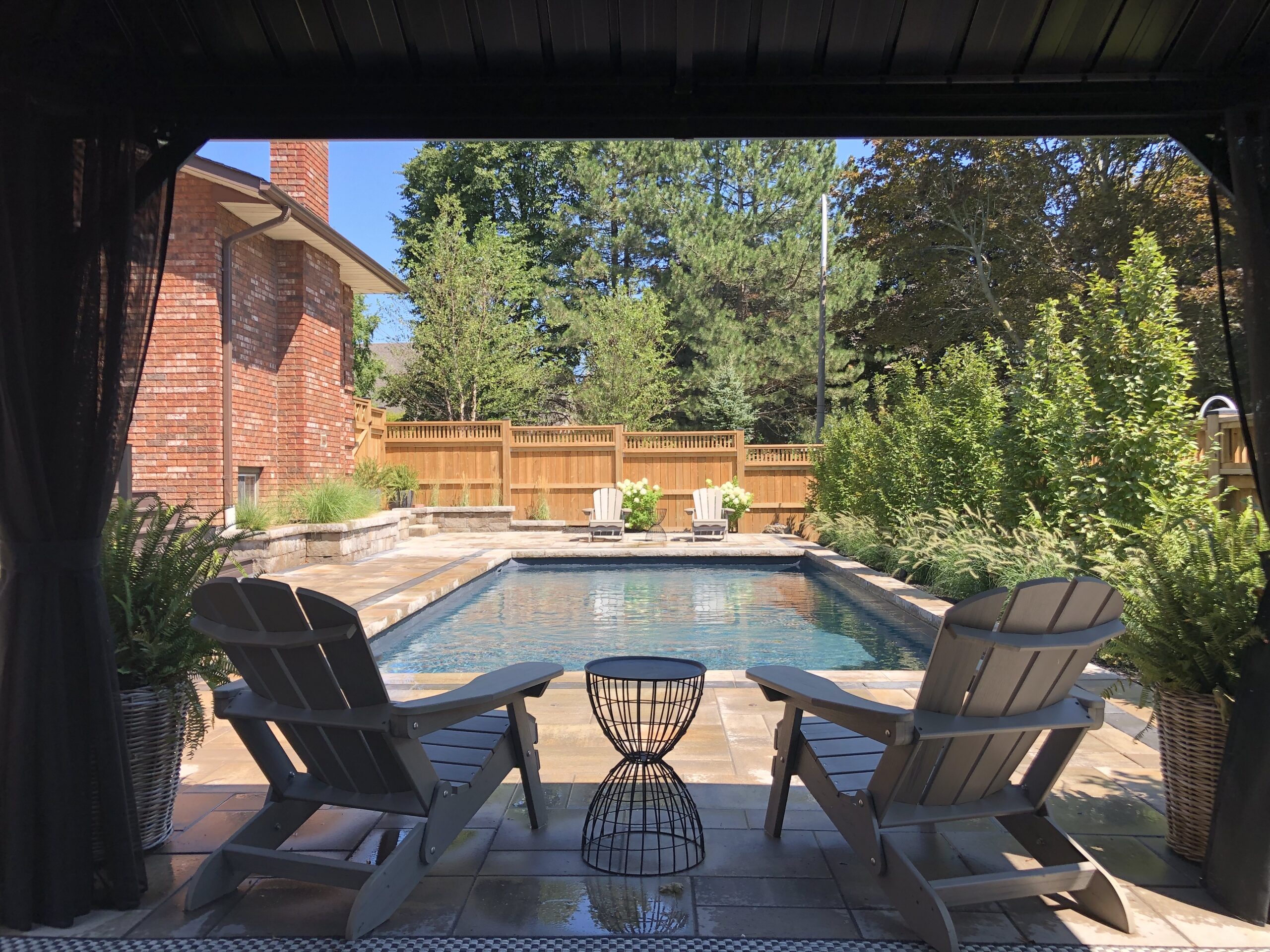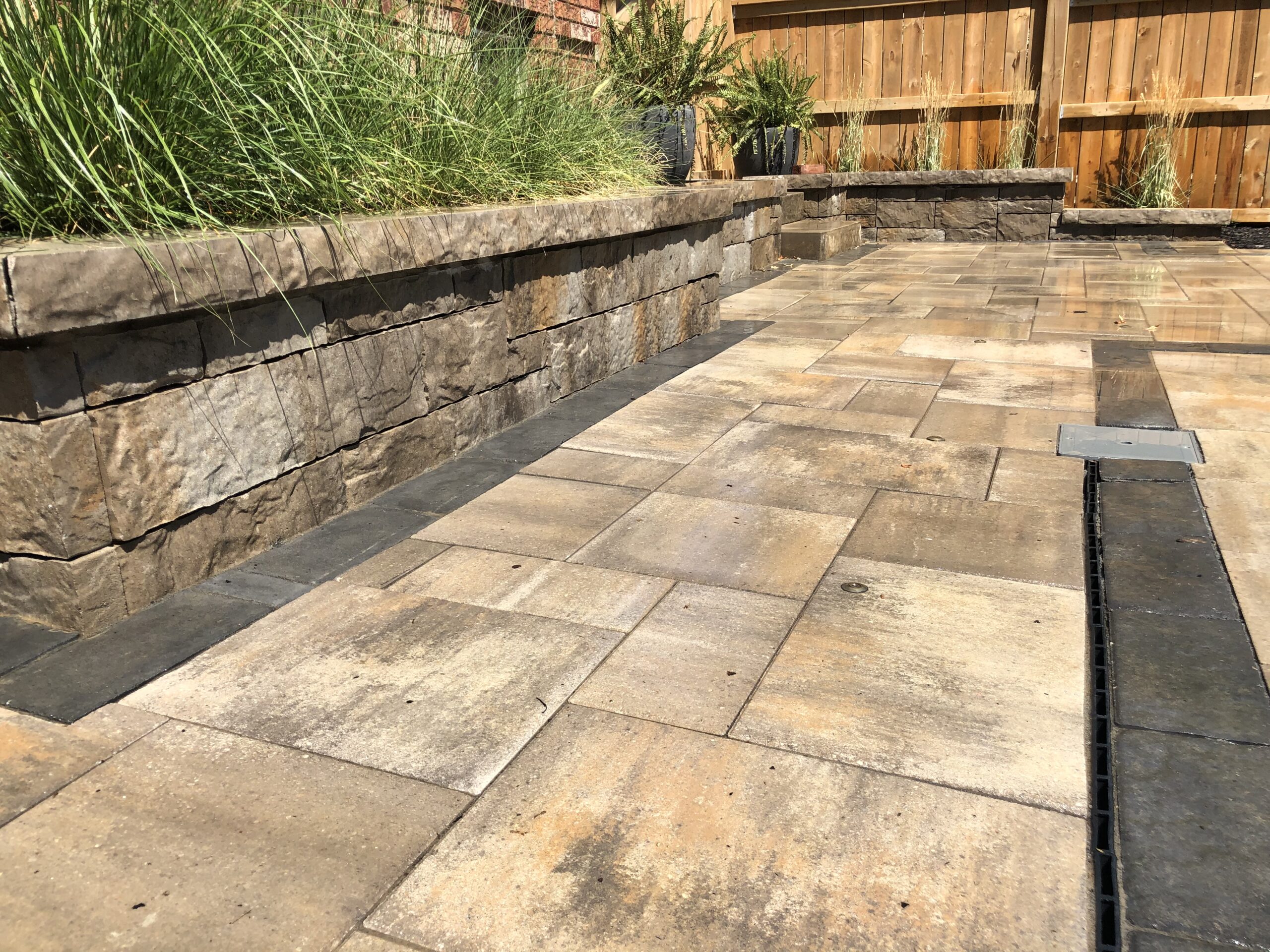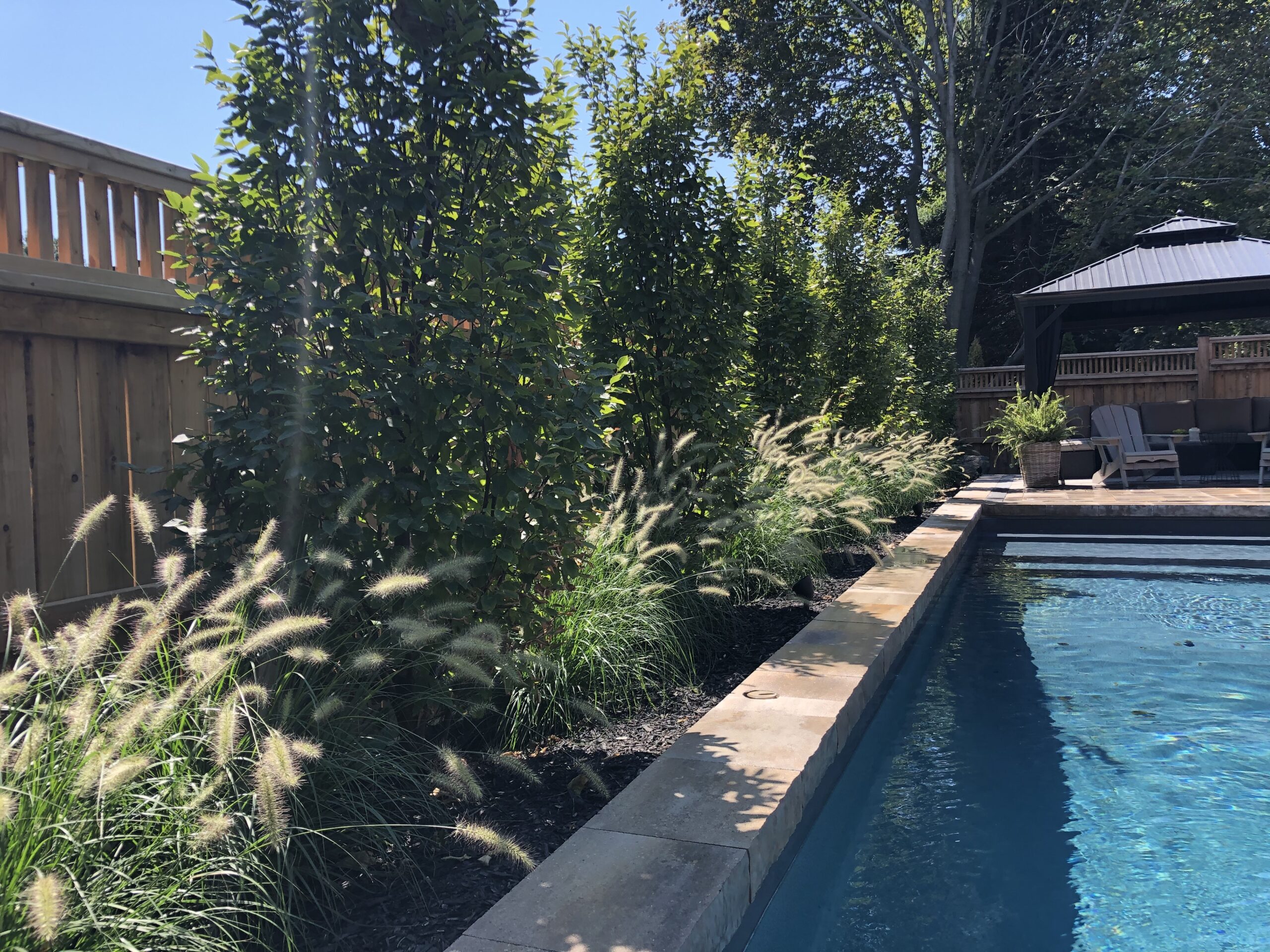
Every year, we start getting the same question earlier and earlier: “How soon do we need to book for spring?” The short answer is sooner than most people expect. The longer answer has a lot to do with how projects are planned, how construction seasons actually work in Ontario, and why winter has become one of the most important planning periods of the year.
By the time spring arrives, much of our schedule is already spoken for. That is not because we want to limit availability, but because quality landscape and construction projects take time to design, price, coordinate, and build. The work that happens in April, May, and June is usually planned months in advance.
Winter Is When the Real Planning Happens
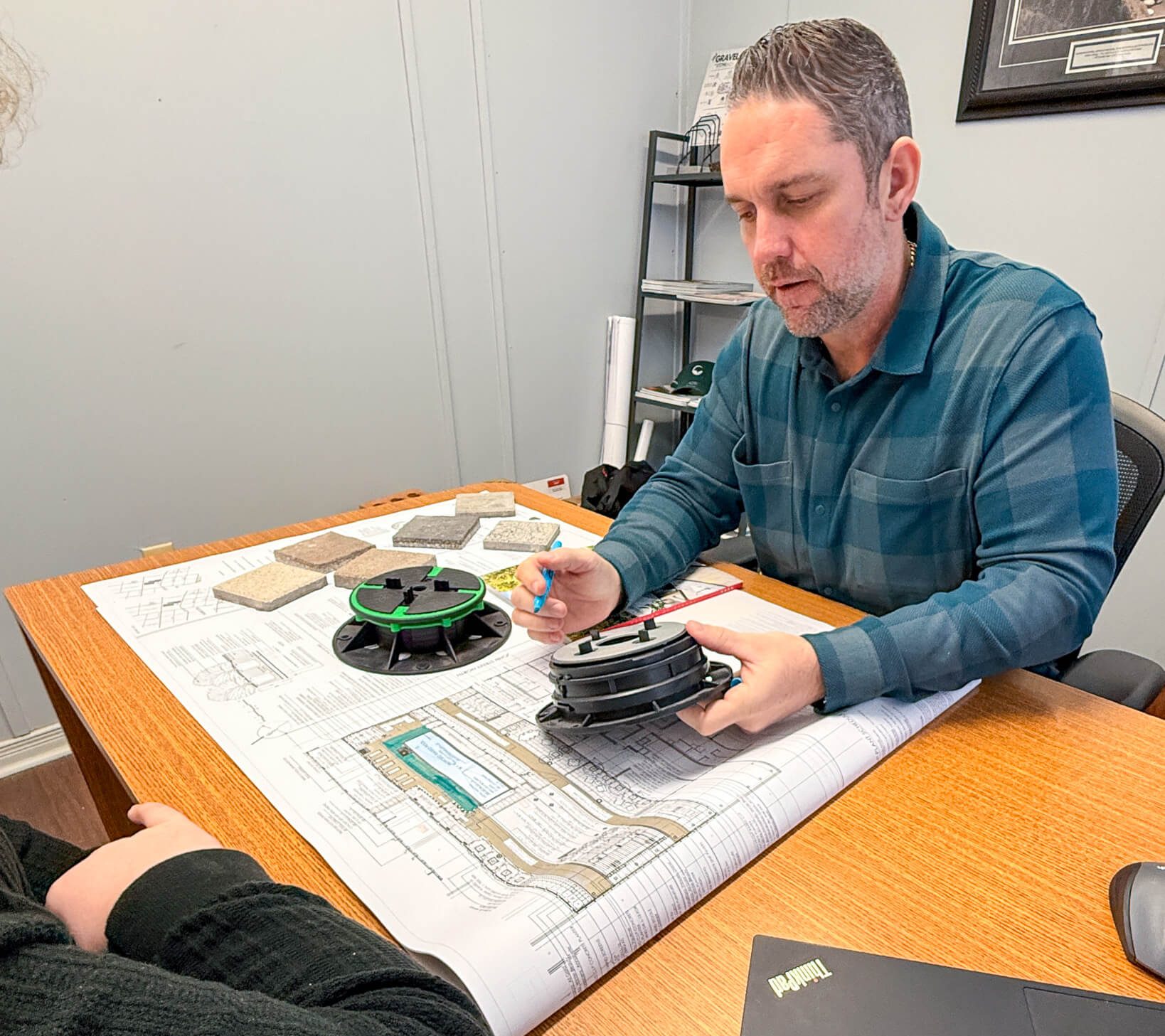
While winter may feel like the “off season” from the outside, it is one of the busiest times behind the scenes. This is when we are meeting with homeowners, reviewing sites, developing designs, finalizing scopes of work, and locking in materials and timelines. For larger residential projects and construction work, this planning phase is critical. Rushing it almost always leads to compromises in layout, function, or budget.
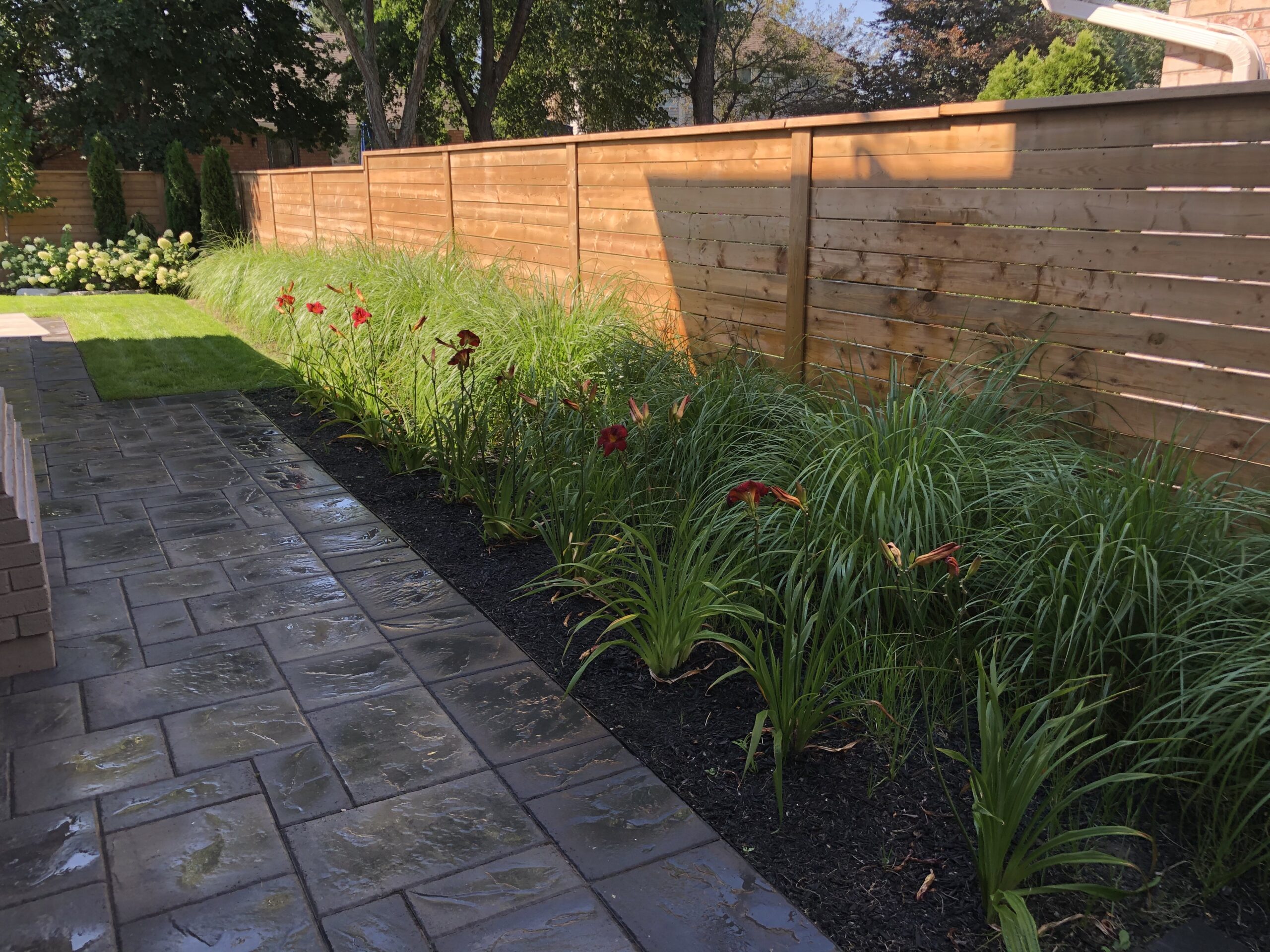
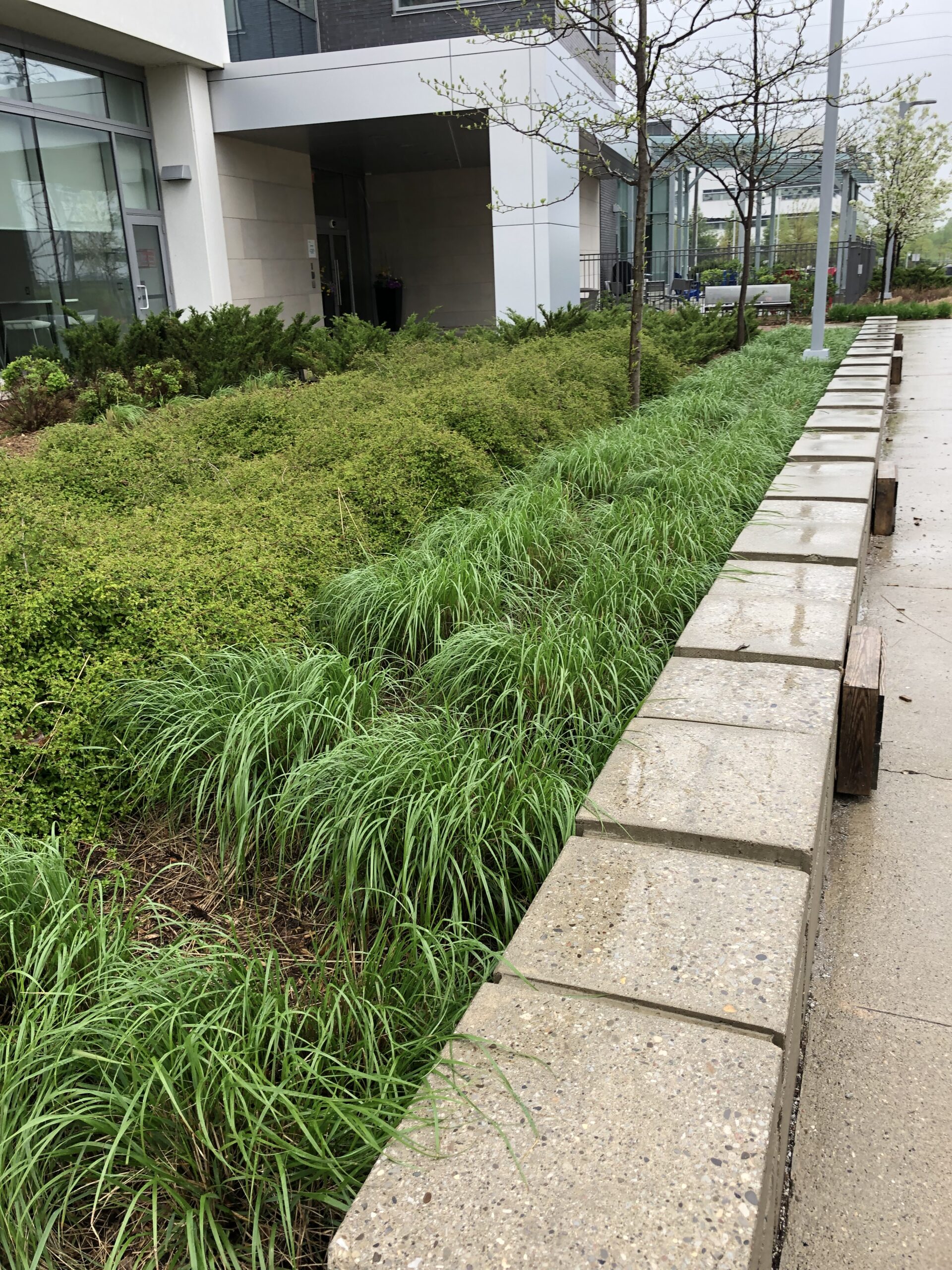
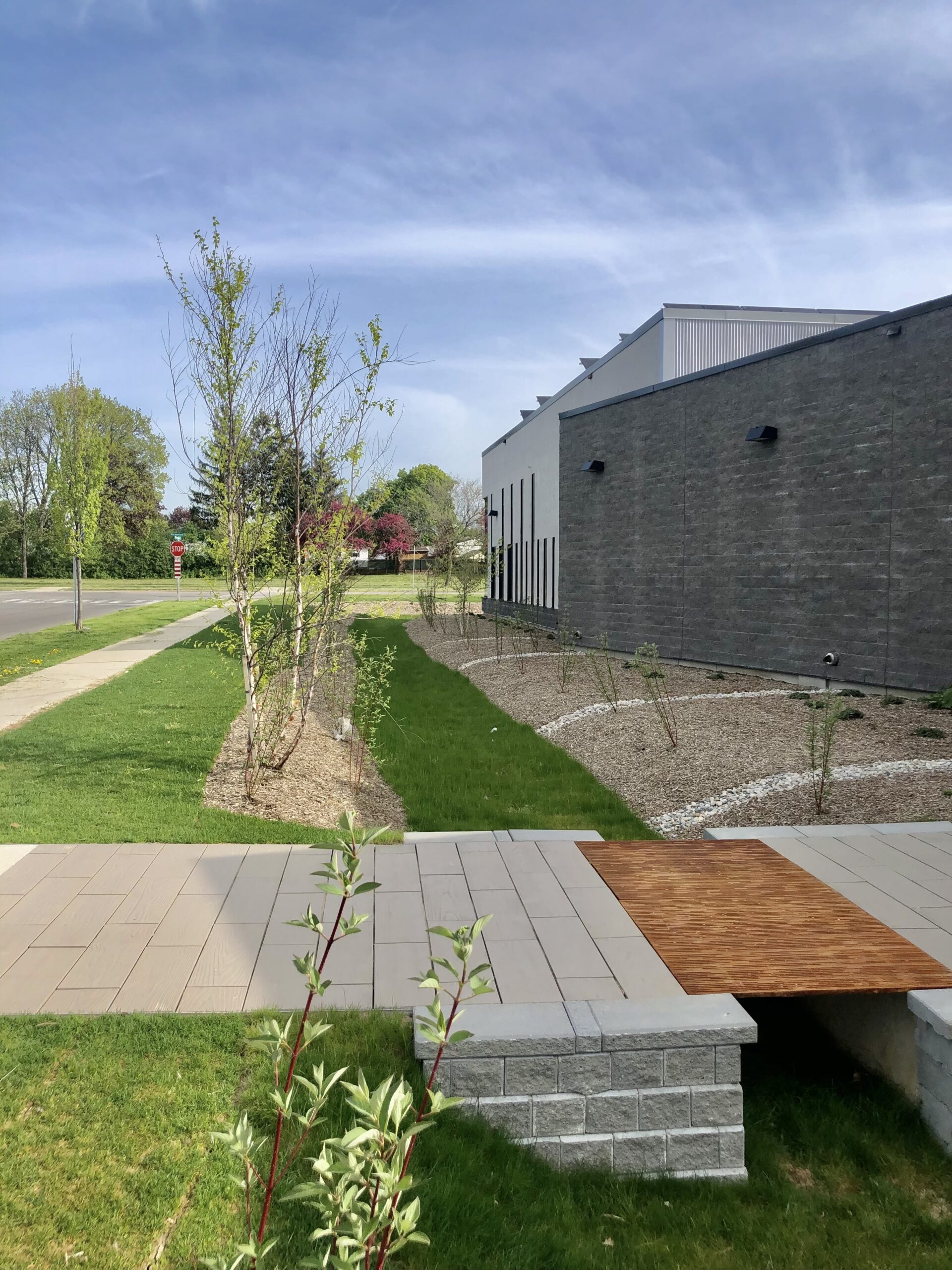
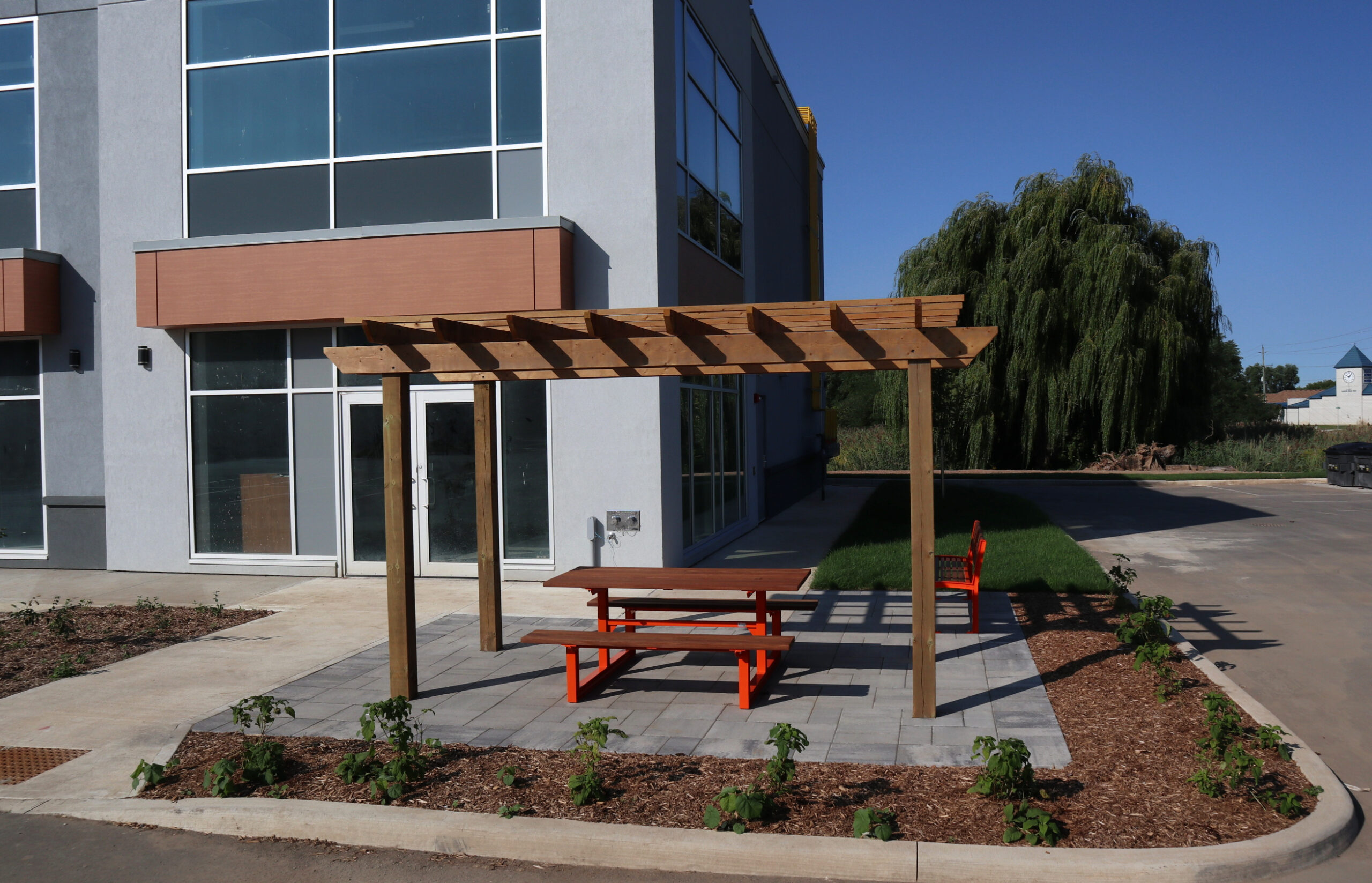
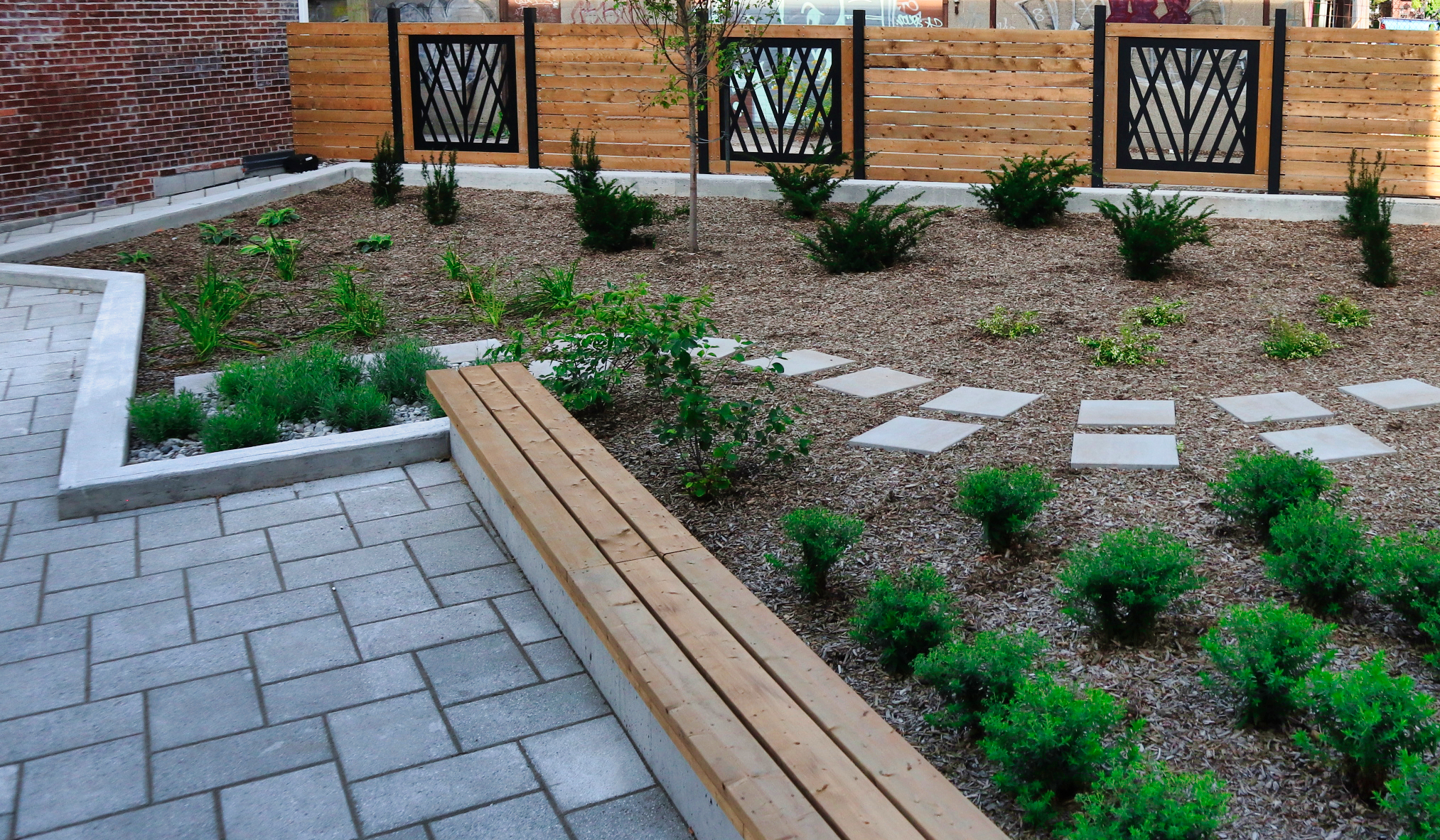
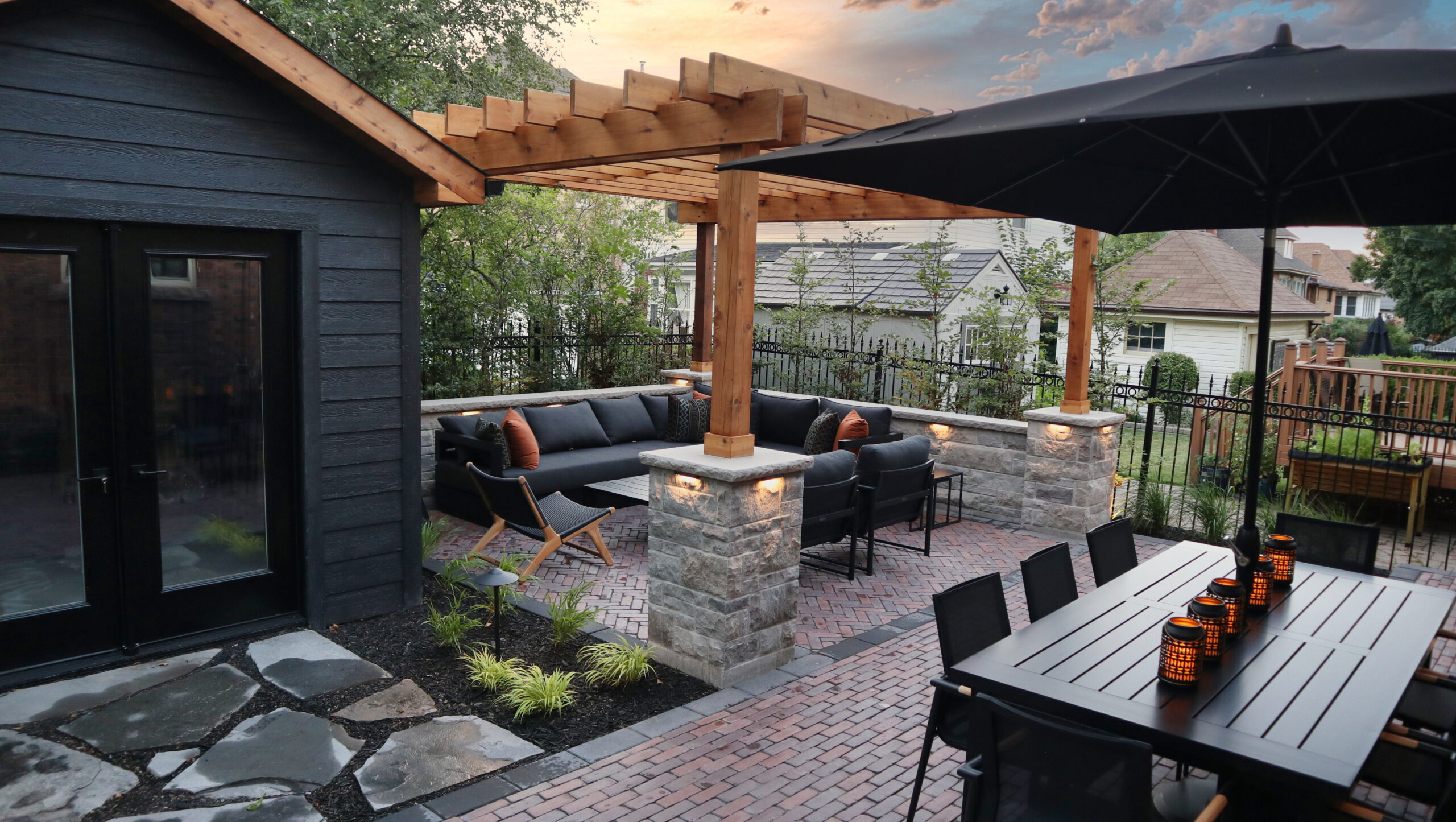
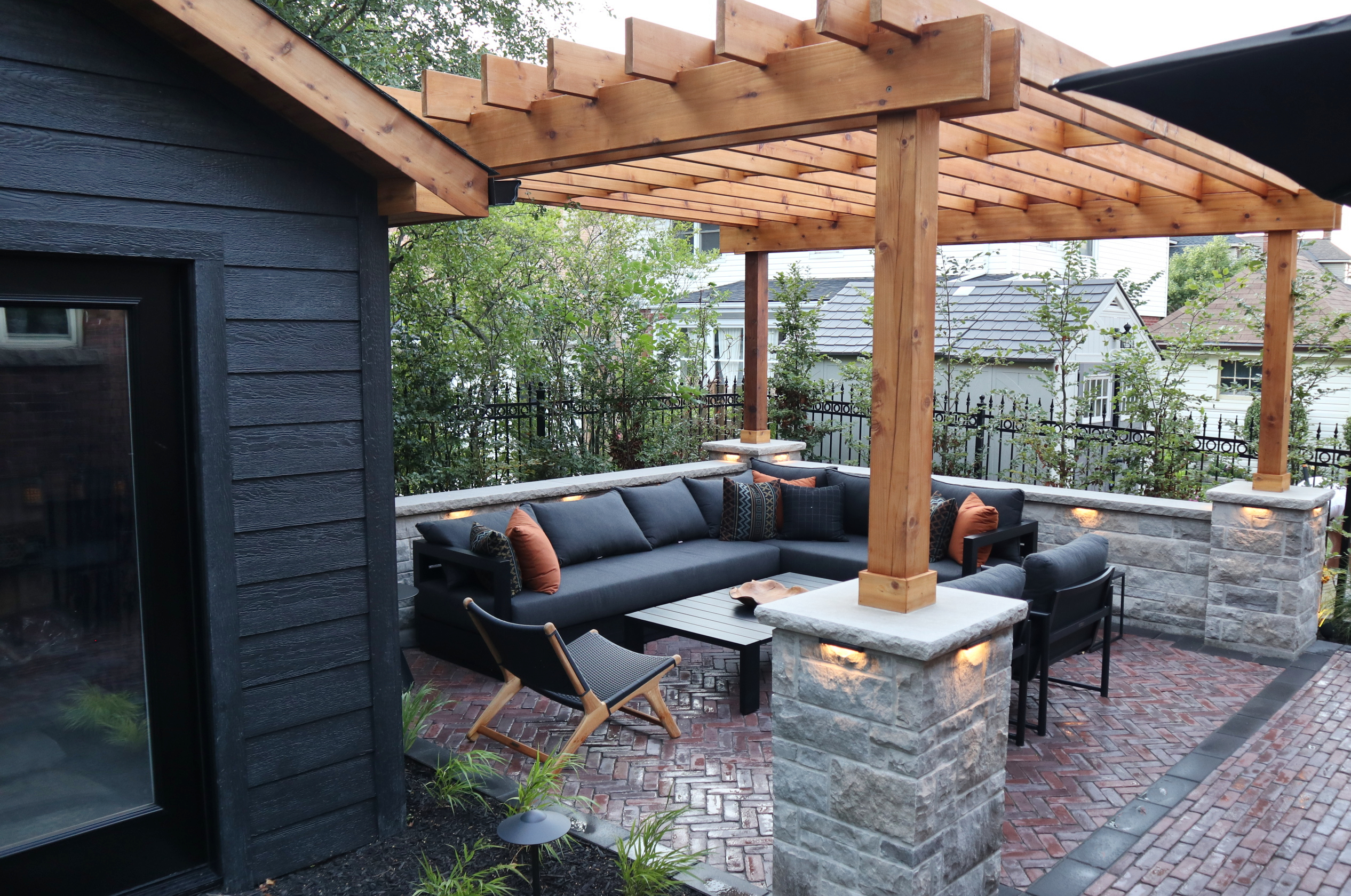
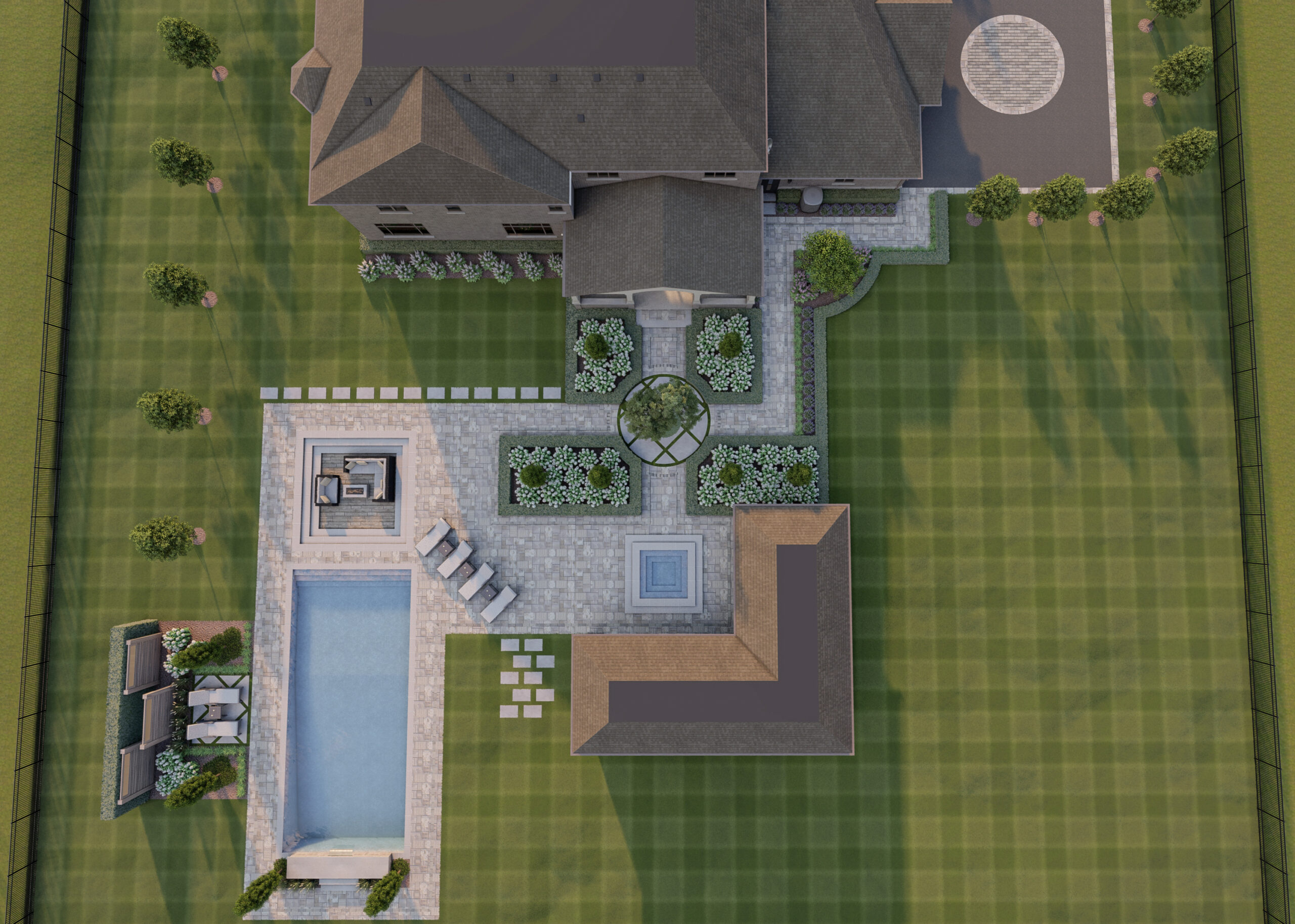
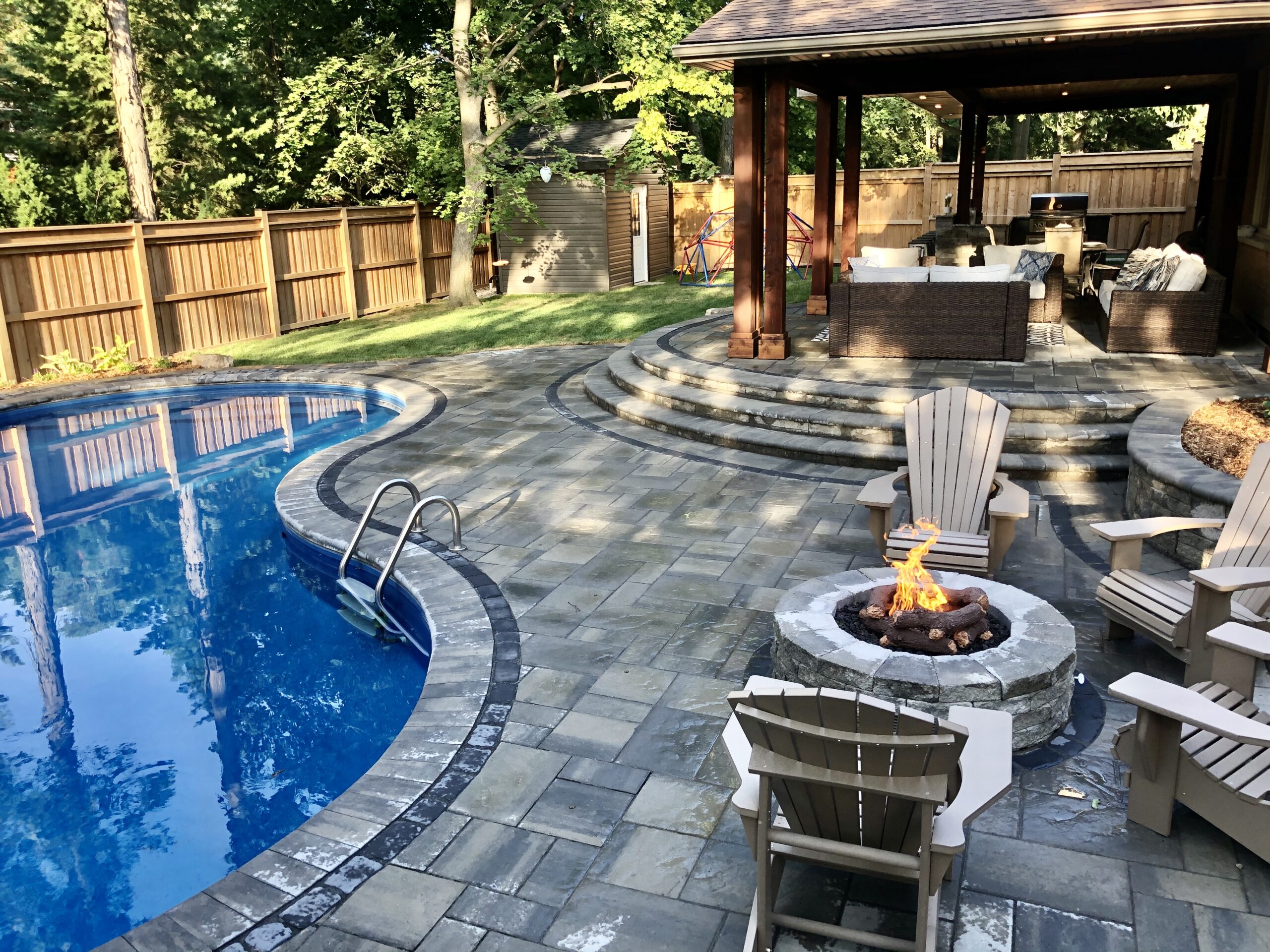
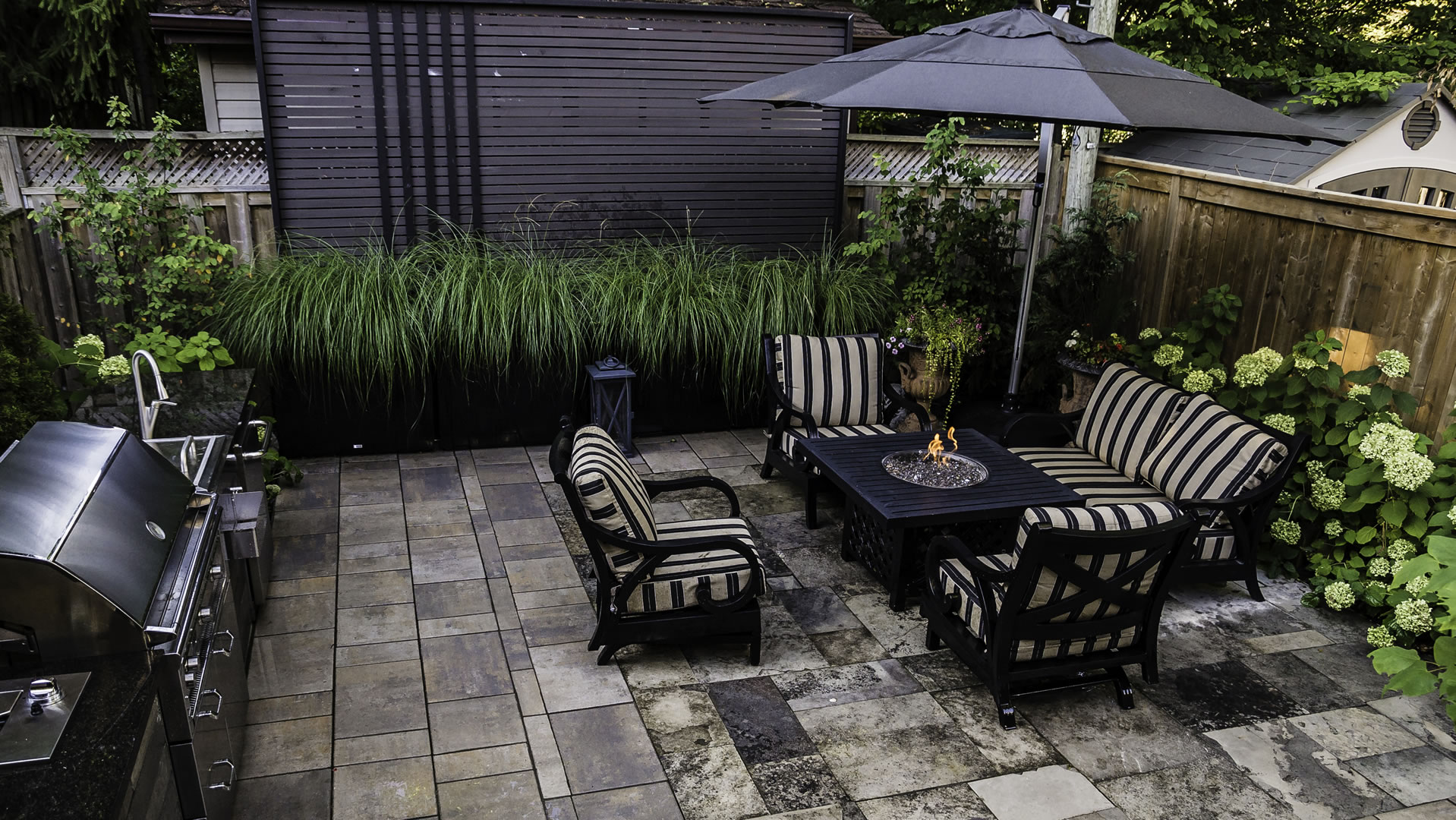
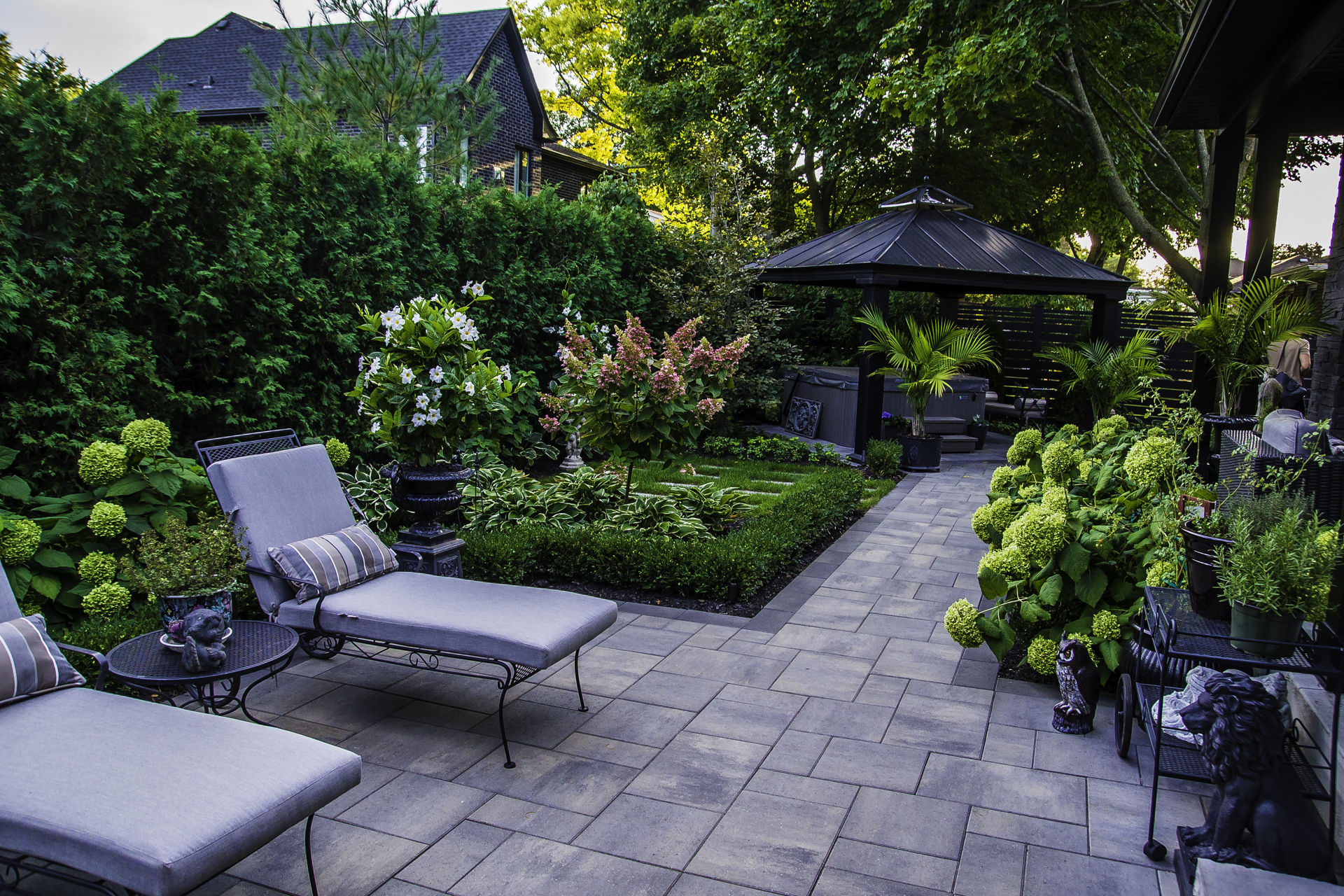
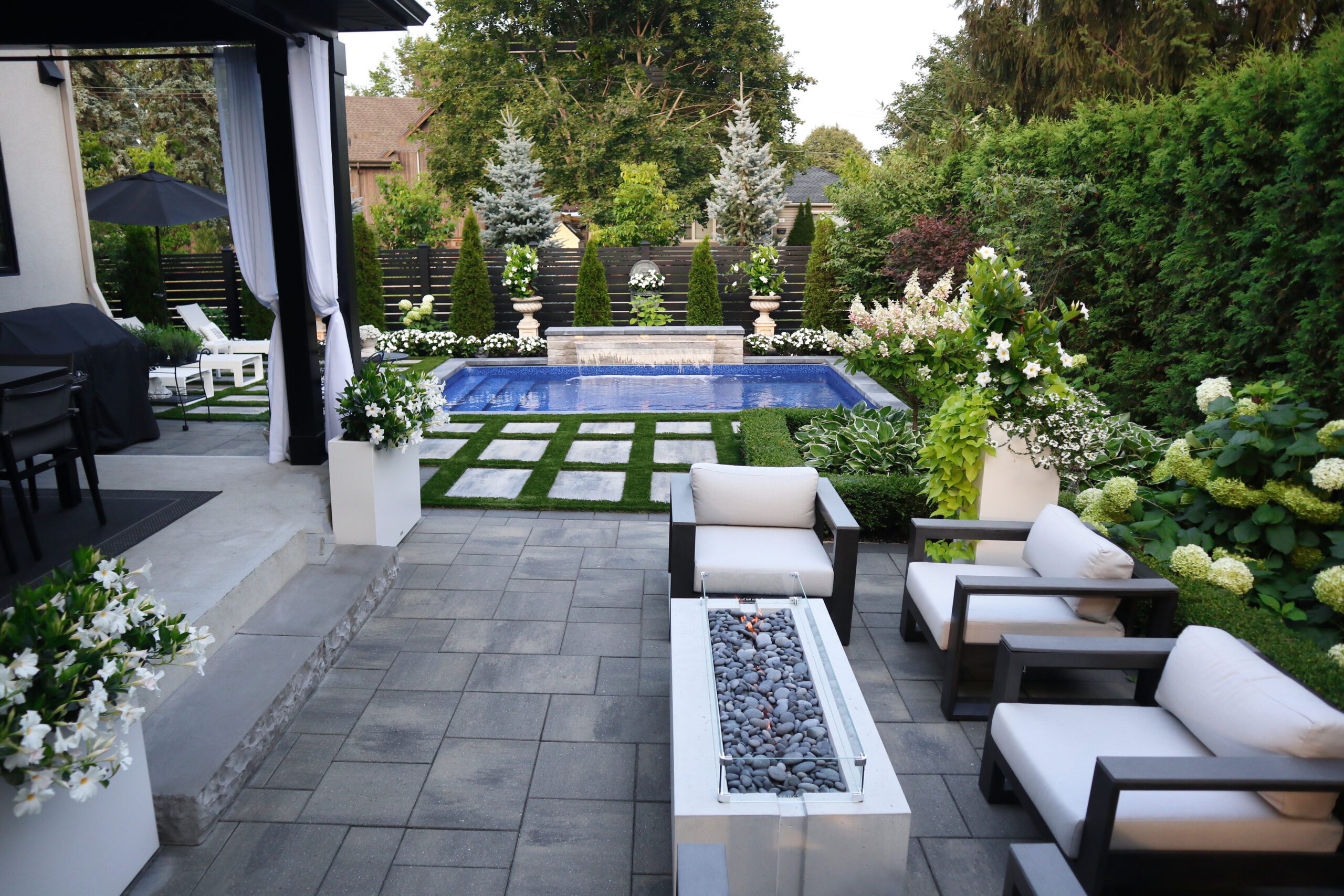
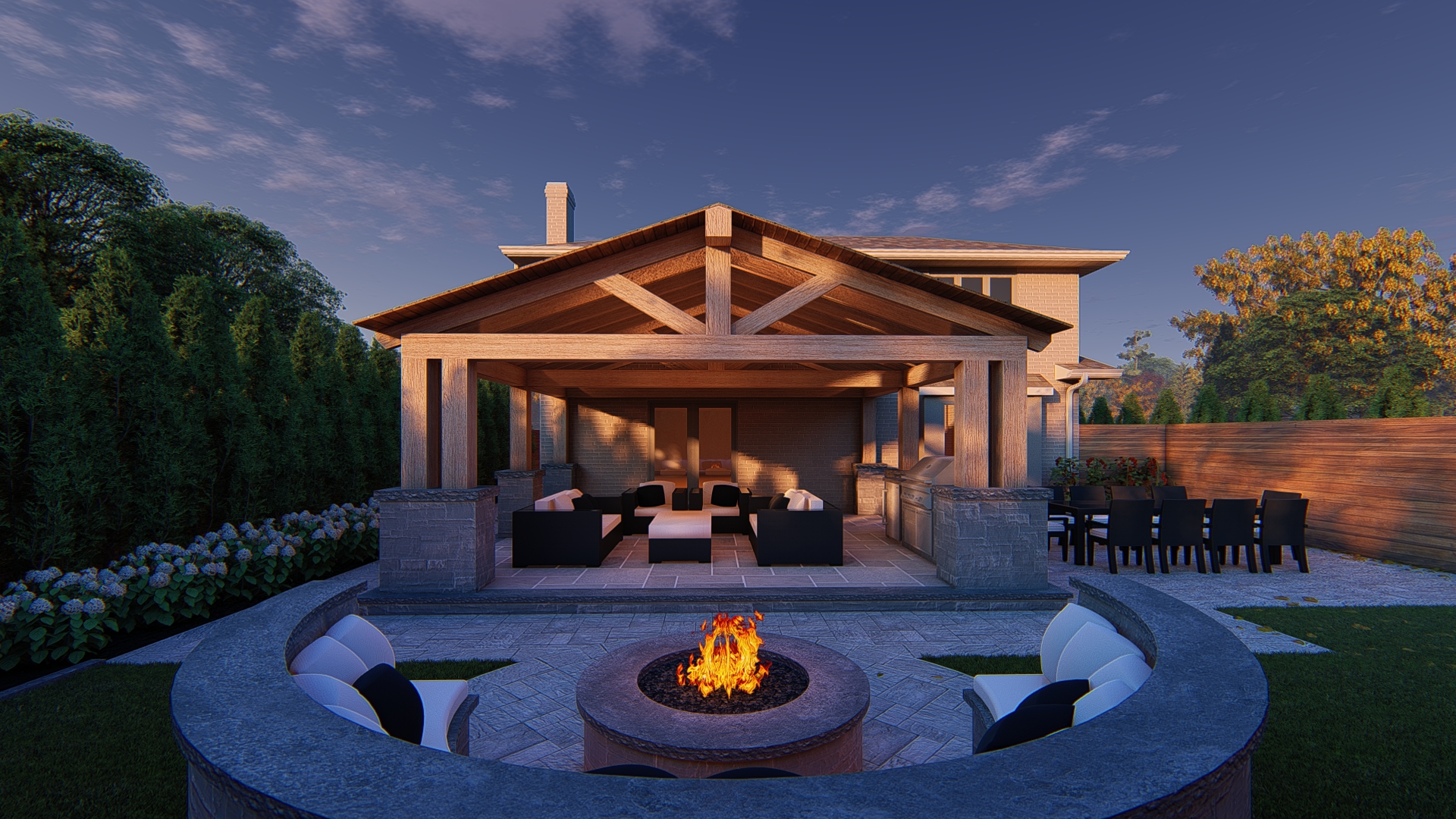
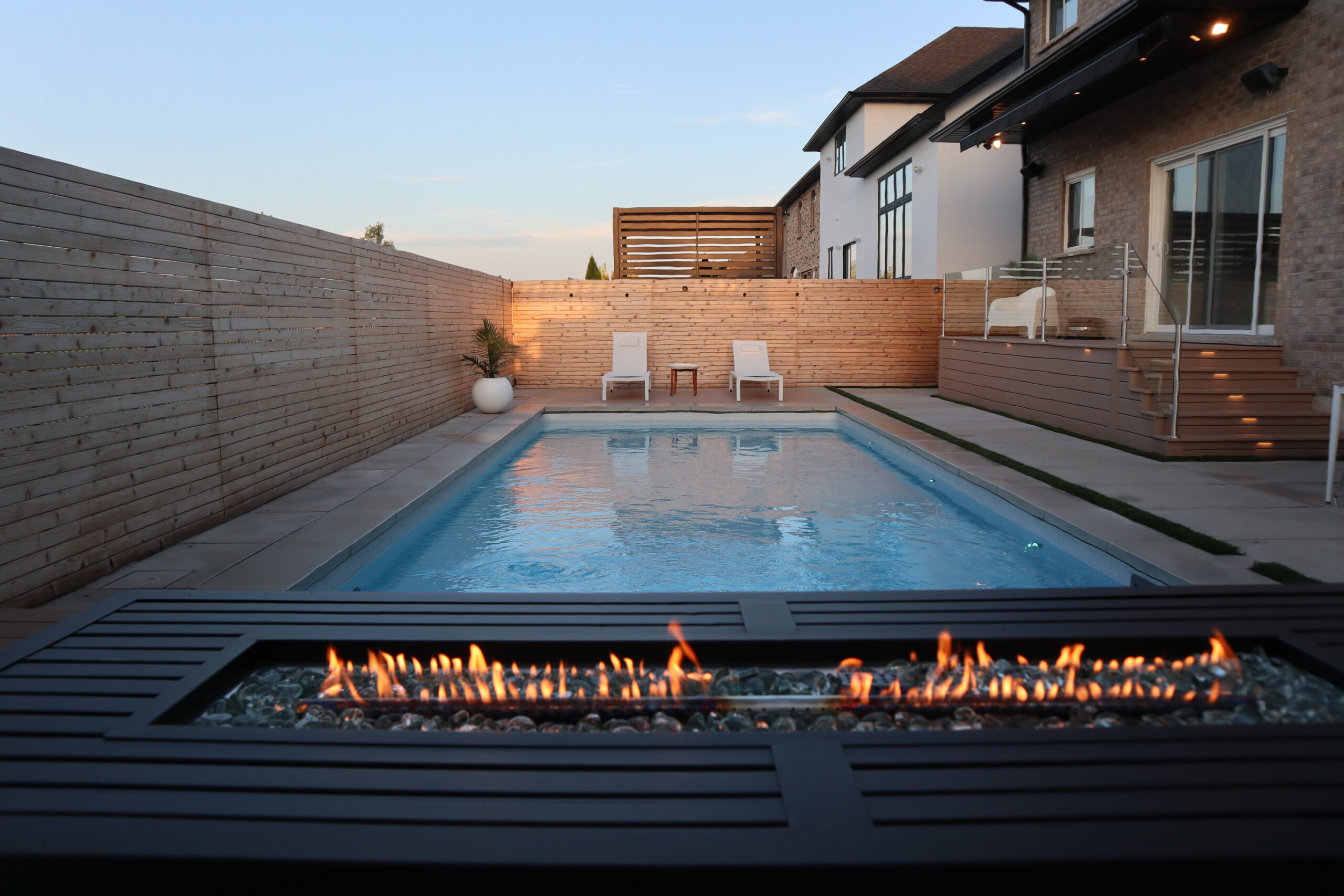
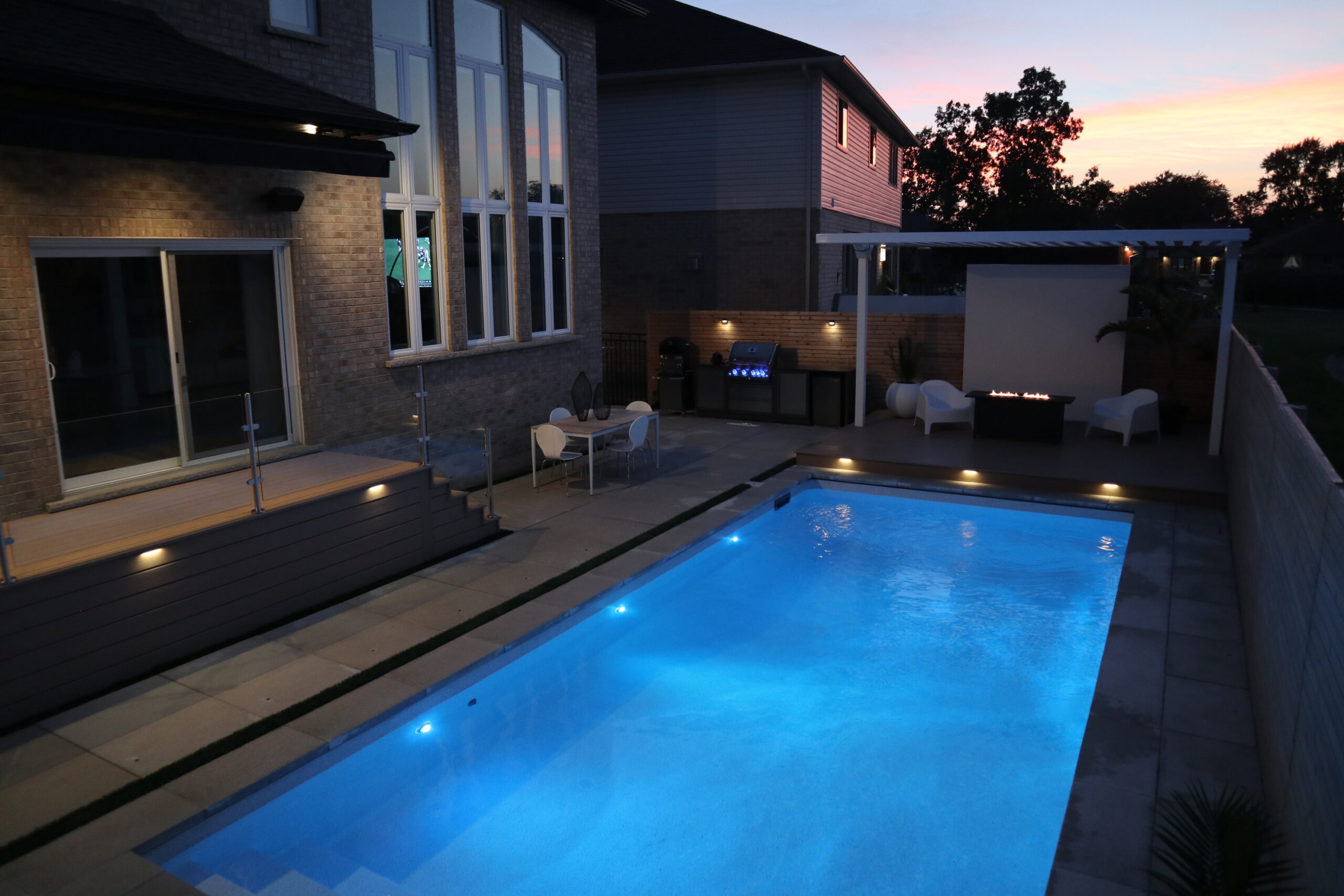
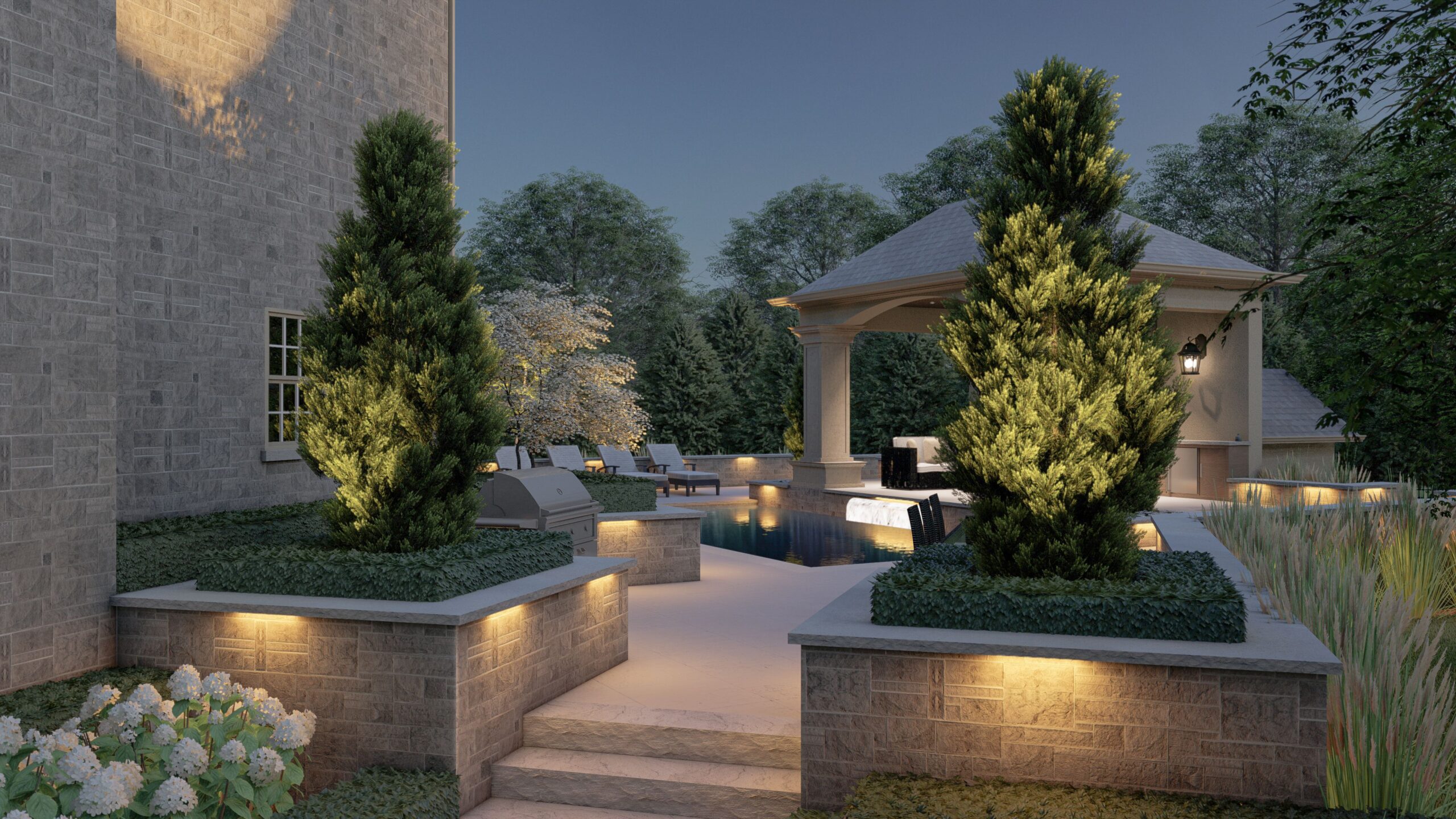
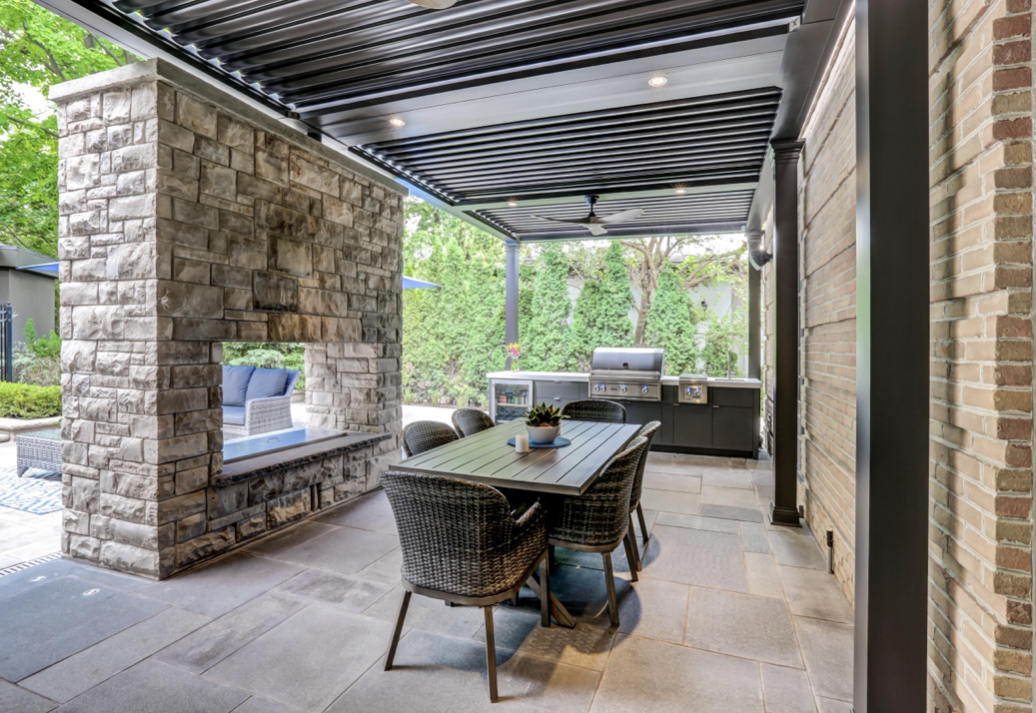
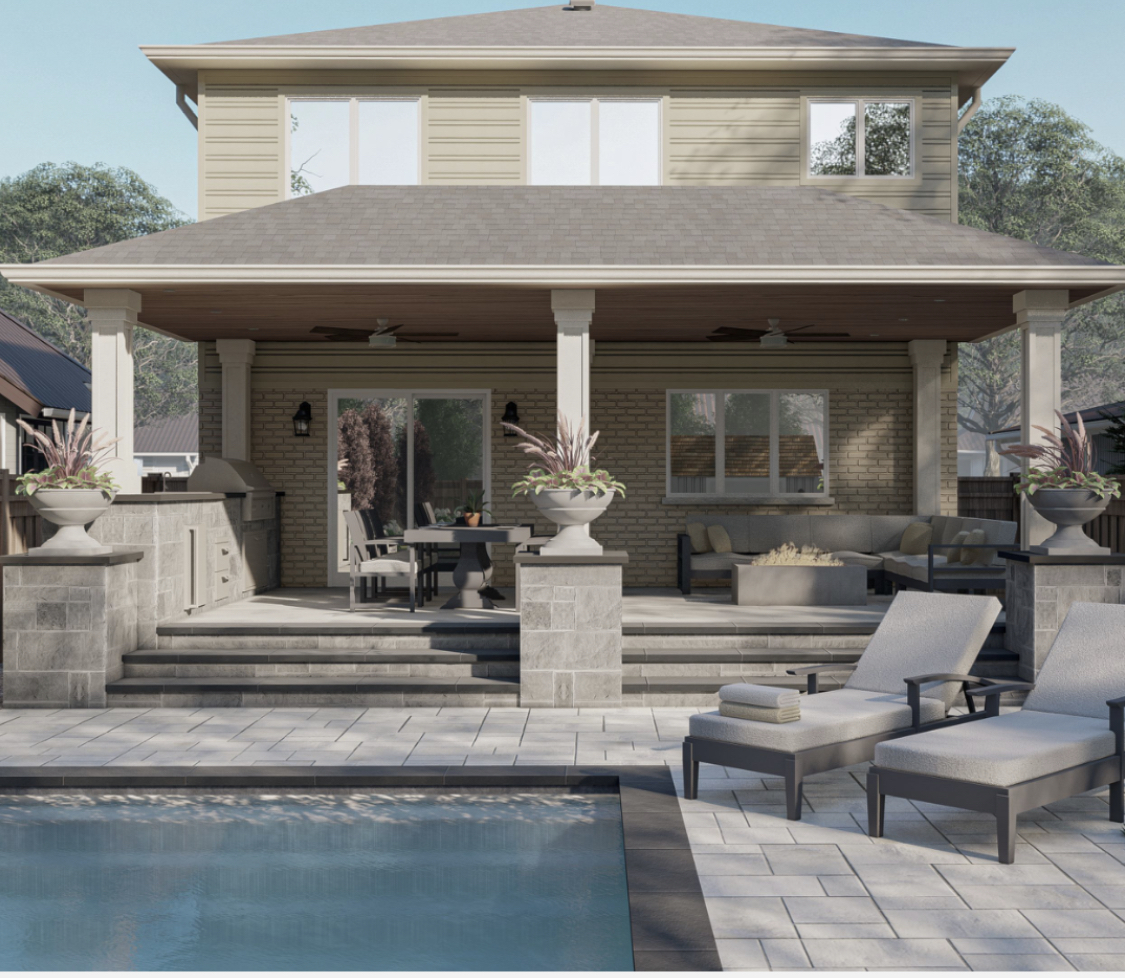
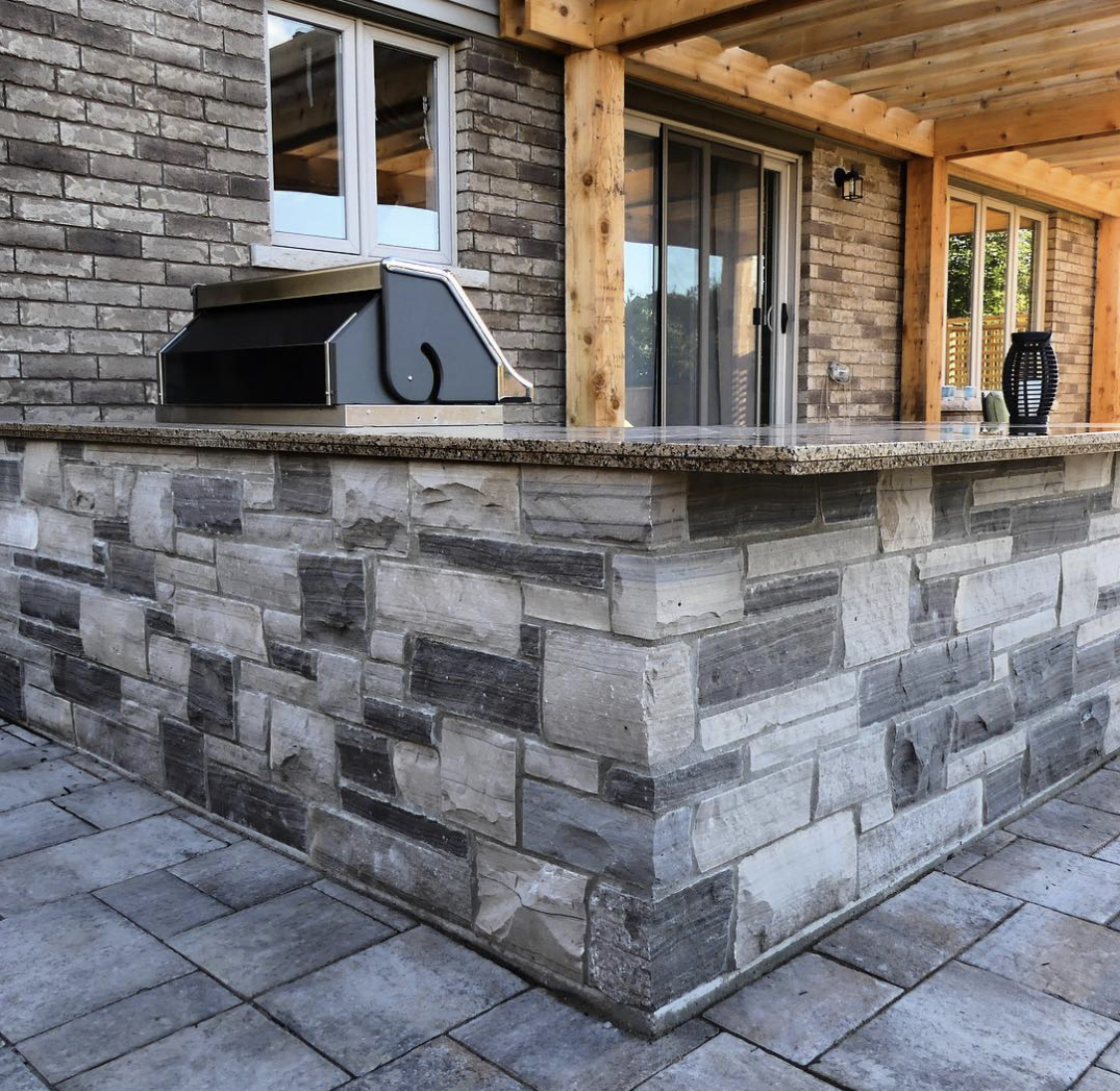
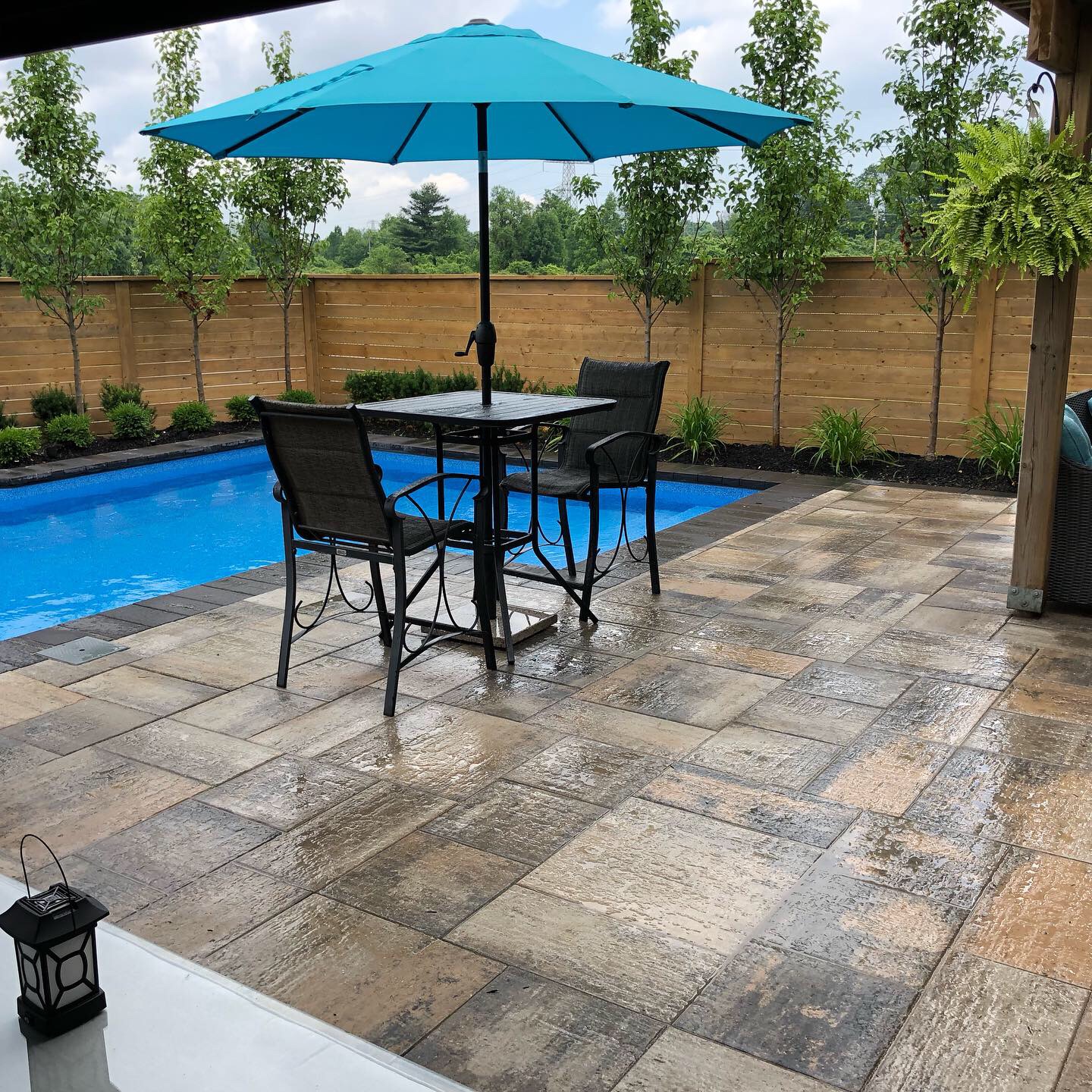
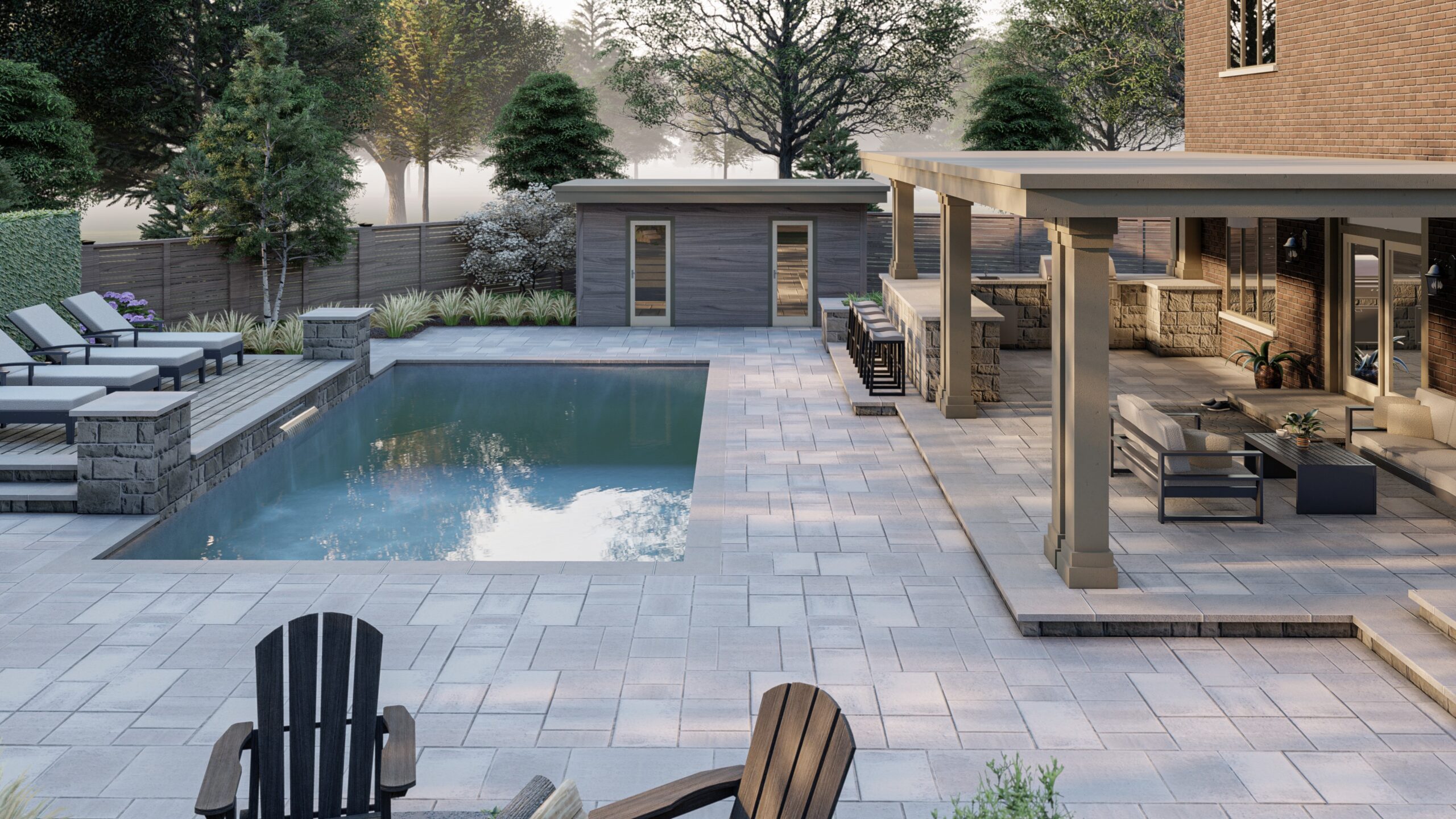
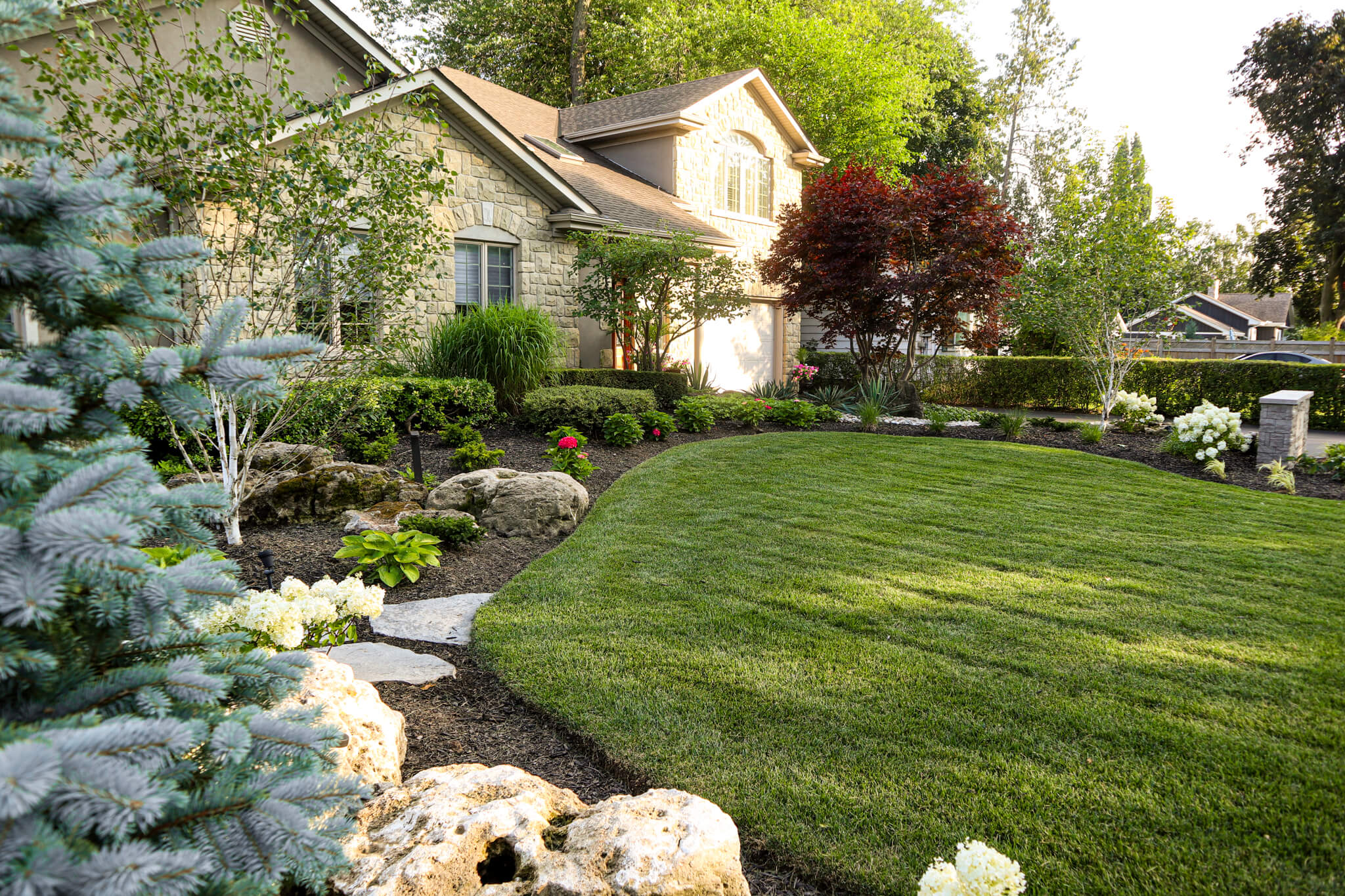
We also see more clients using the quieter months to think strategically about their properties. Instead of reacting in spring, they are taking the time in winter to decide what they actually want to achieve, whether that is reworking planting beds, adding outdoor seating, building a new patio, or rethinking an entire backyard.
Construction Scheduling Is Not Instant
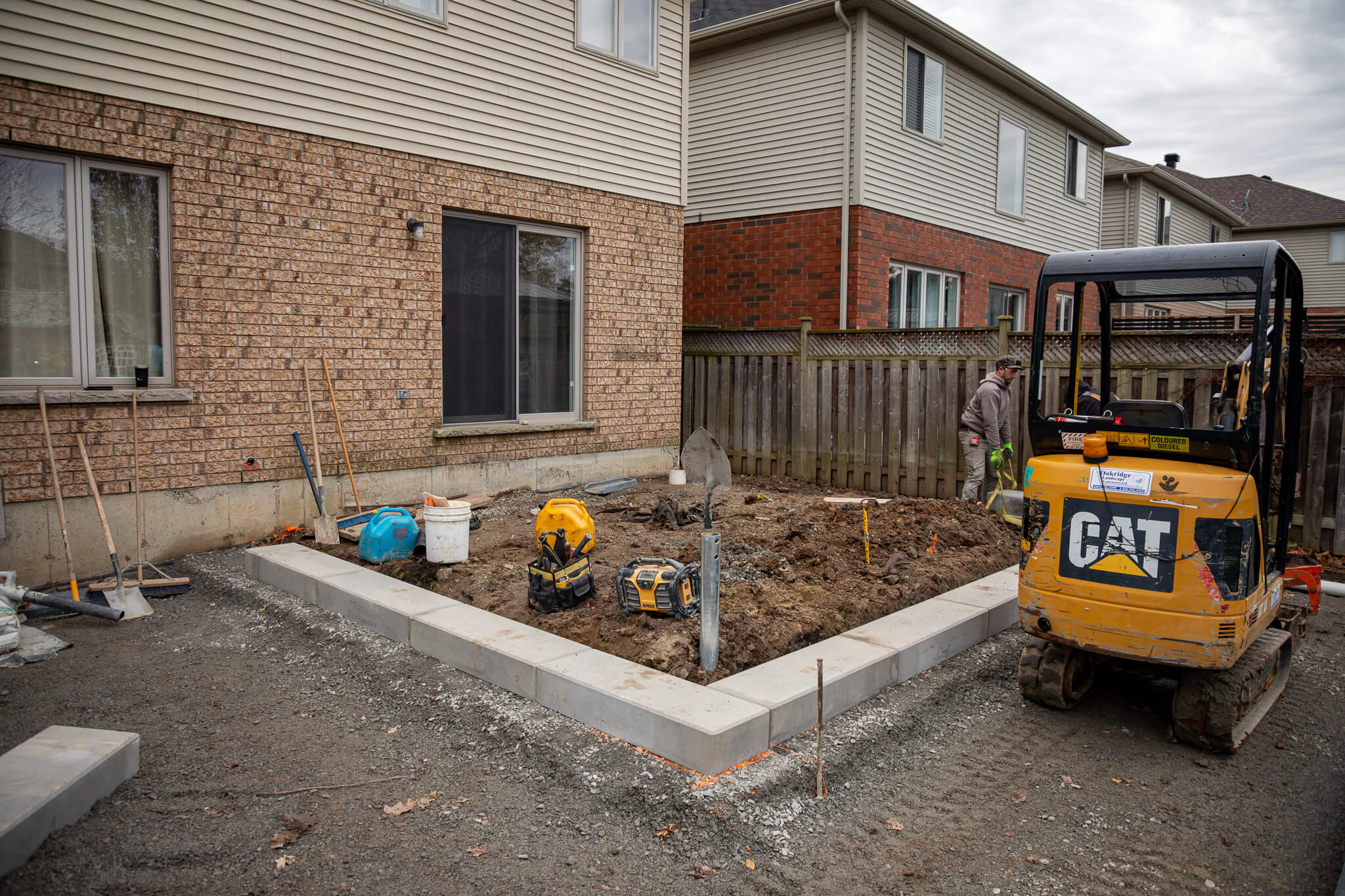
Once spring arrives, everyone wants to build at the same time. Crews, equipment, and materials are all in high demand across the industry. Even with careful scheduling, there is a limit to how many projects can be done at once without sacrificing quality or attention to detail.
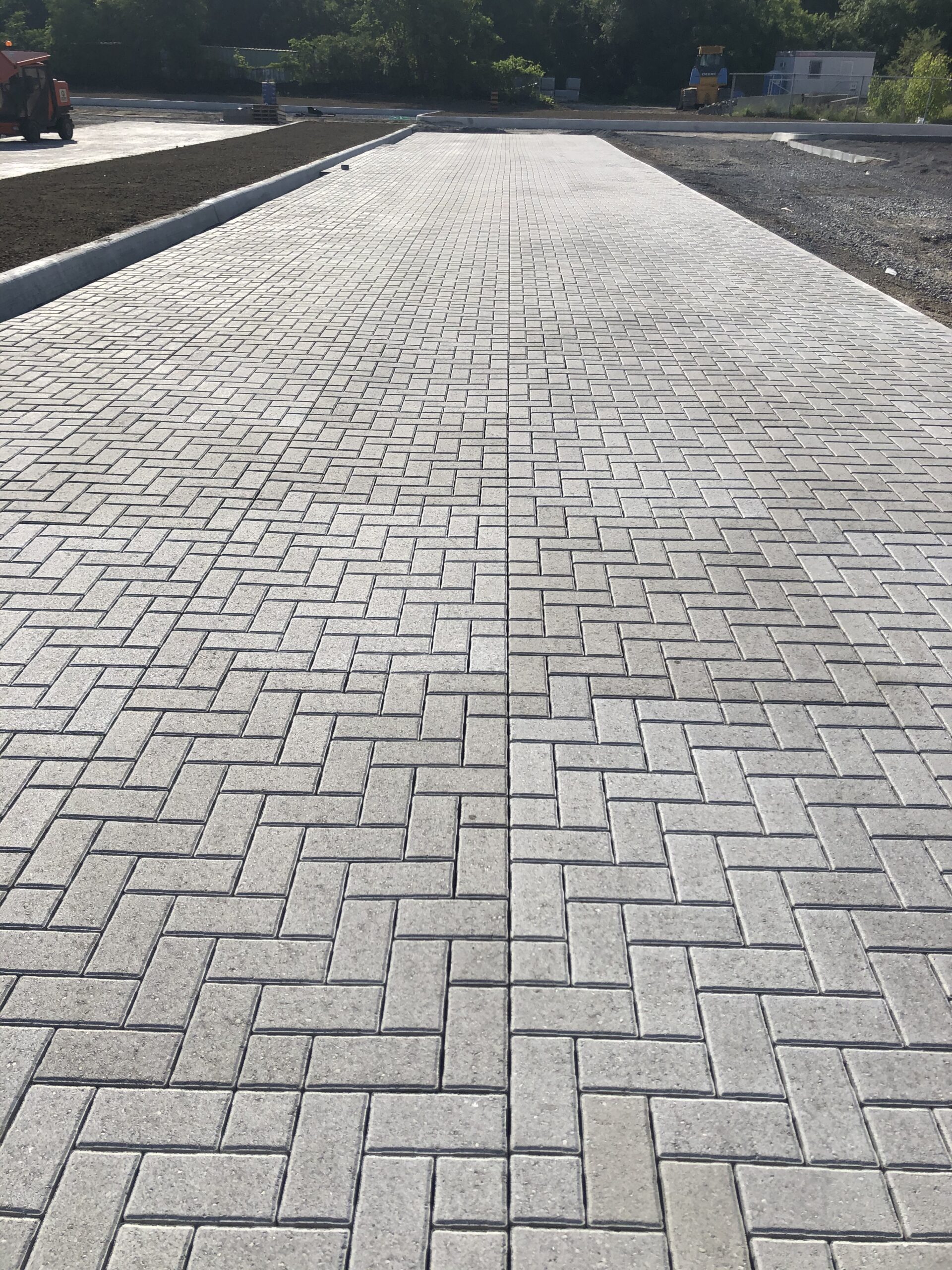
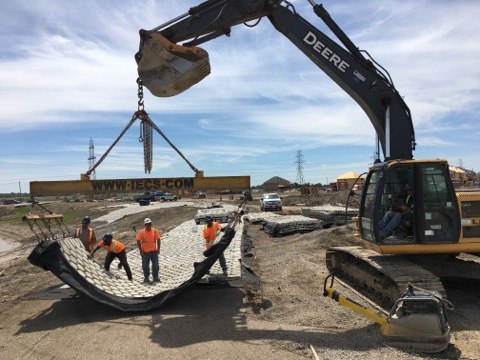
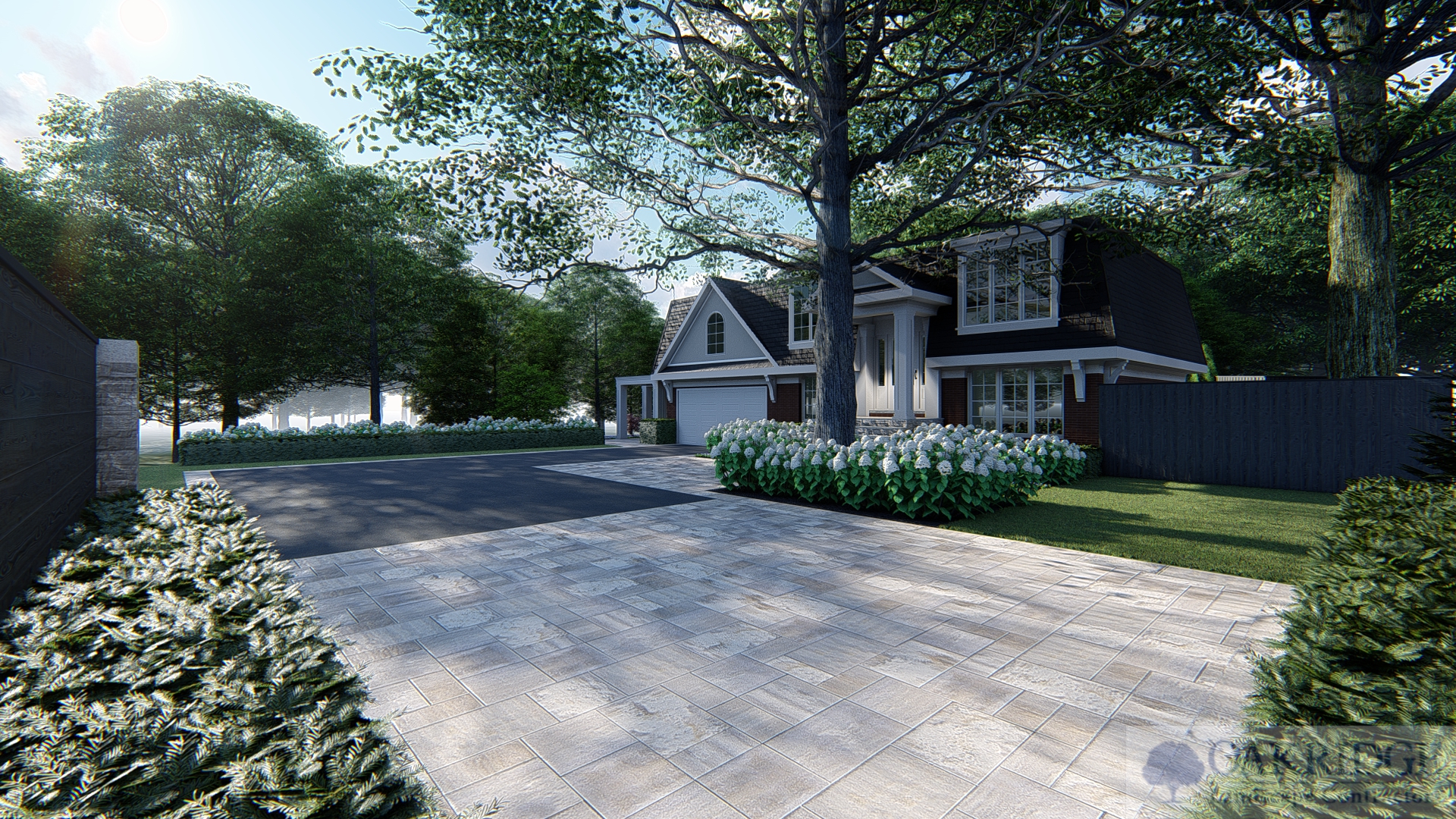
Some projects, like garden beds or smaller upgrades, might only take a day or two. Larger properties, full landscape builds, or construction projects can take weeks or even months. That means our spring calendar fills up quickly with a mix of short and long projects that have already been planned and approved during the winter.
Material Lead Times and Availability Matter
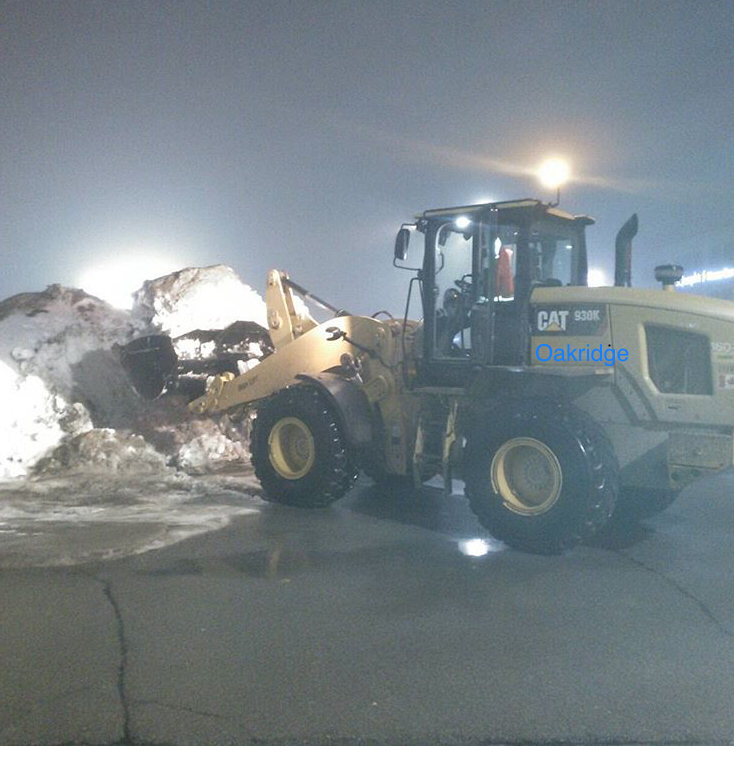
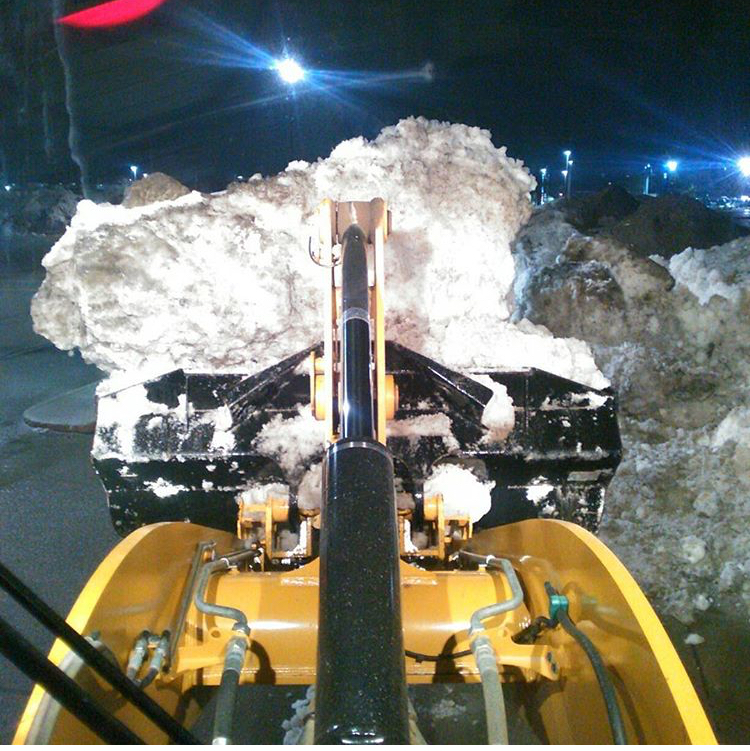
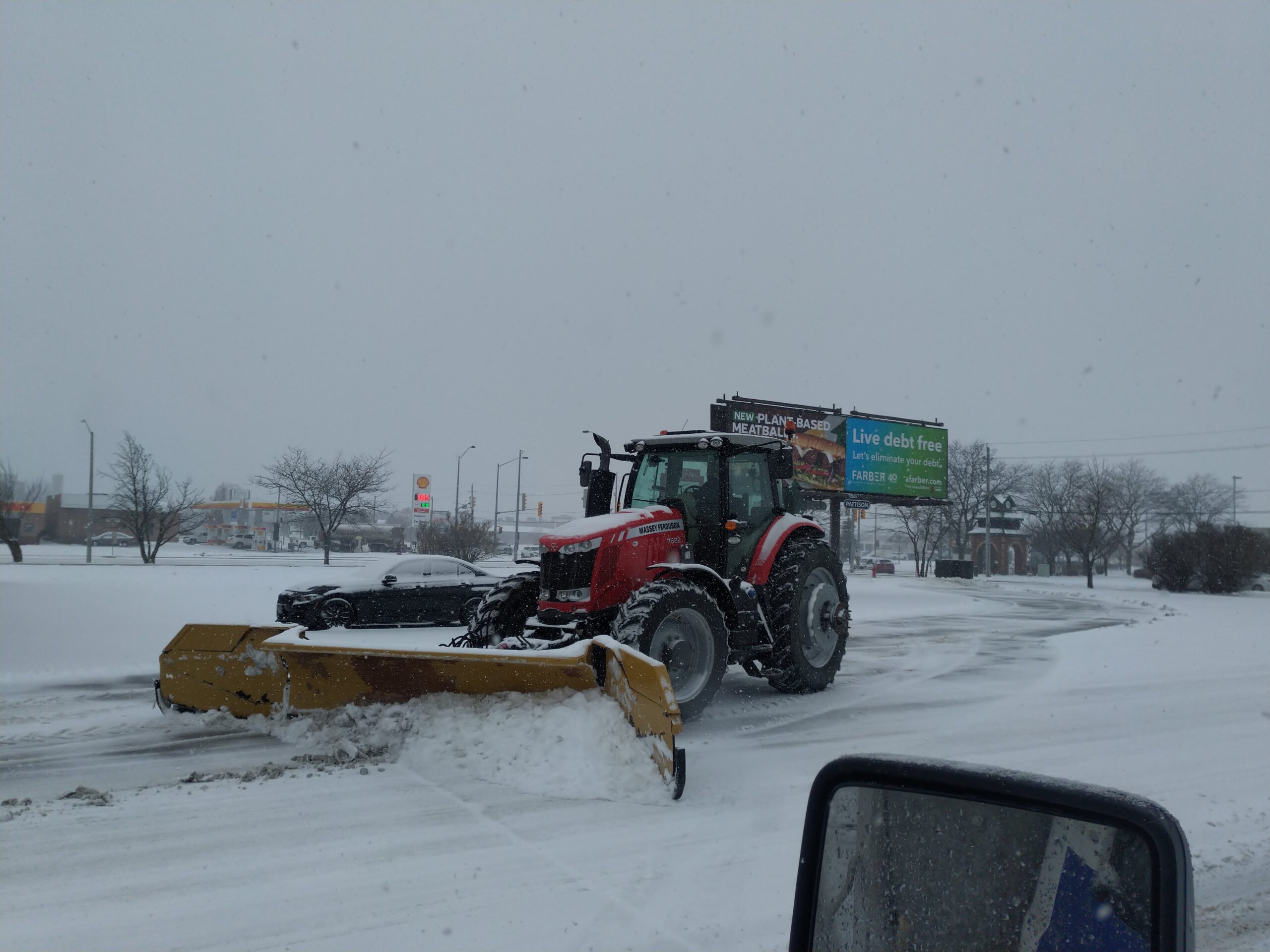
Another factor is materials. Hardscape products, plants, and construction materials often have lead times, especially in busy seasons. We have already seen how supply pressures can affect timelines in winter operations, and the same reality applies to landscape construction. Planning early gives us the ability to secure materials, coordinate deliveries, and avoid last minute substitutions that can change the look or performance of a project.

Better Projects Come From Better Planning
Clients who start the process early usually end up with better results. There is more time to explore layout options, review budgets, adjust scope, and make informed decisions instead of rushed ones. It also creates a smoother build process once work begins, because expectations, timelines, and details have already been clearly defined.
What This Means for Spring Projects
If you are hoping to build in spring or early summer, the best time to start the conversation is well before the snow melts. Reaching out in winter or early in the year gives you more flexibility in scheduling, more control over design decisions, and a better chance of securing your preferred build window.
Spring will always be a busy season. The difference is whether your project is already on the schedule, or whether you are trying to fit it in after the rush has started.